

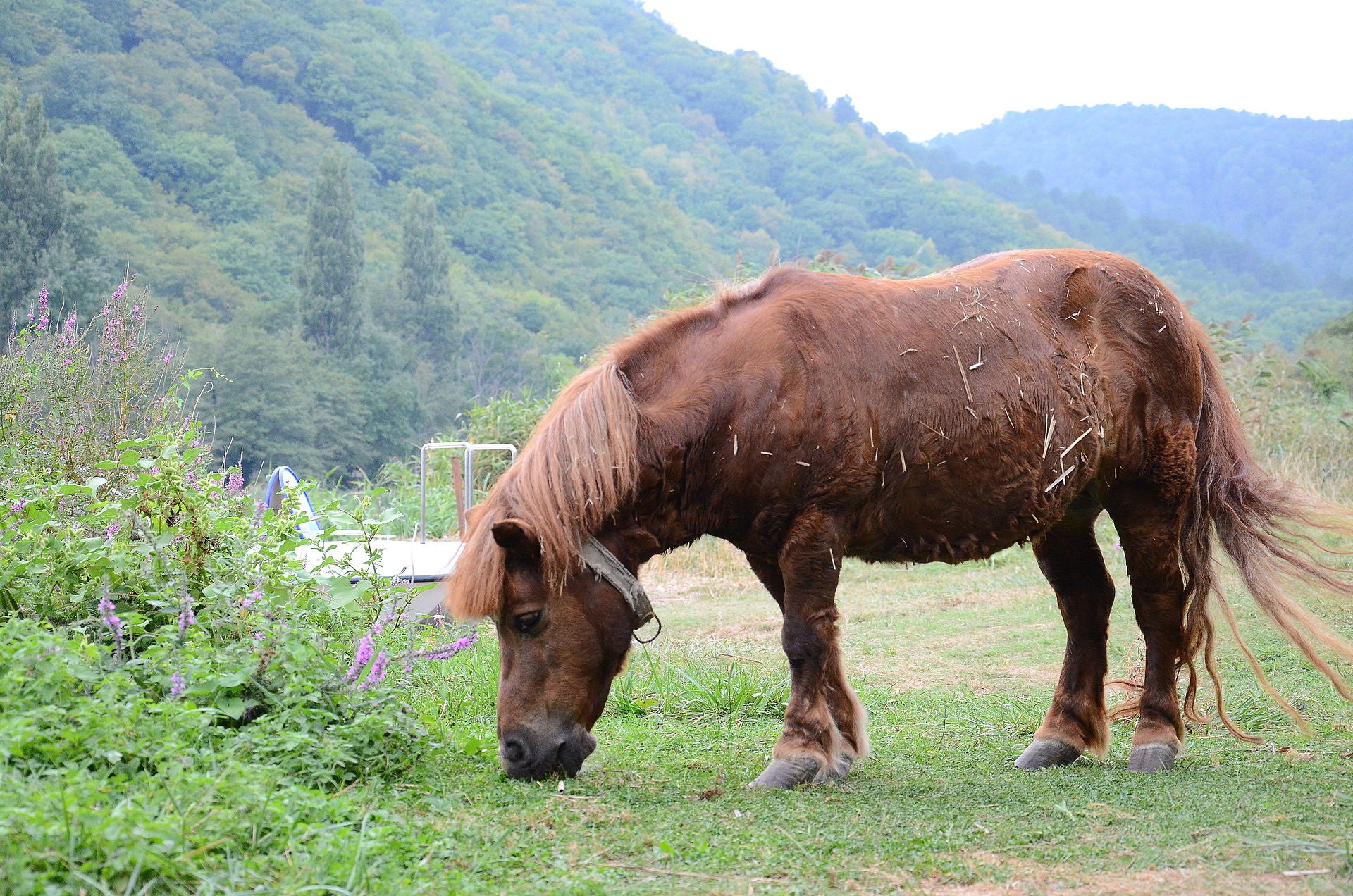

As a horse owner, it is crucial to understand the problem of laminitis, as it can be a potentially life-threatening condition for your animals. This disease, also known as founder, can be triggered by improper feeding, mechanical stress, or even poisoning. It is important to be aware of the causes and symptoms and to take appropriate preventive measures to ensure the well-being of your horses. With comprehensive knowledge about laminitis, you can significantly contribute to the health and safety of your animals.
Key Insights:
- Laminitis (founder) is a serious disease in horses, most commonly caused by improper feeding (nutritional laminitis).
- The main causes of laminitis are improper feeding, mechanical influences, and poisoning.
- Prevention is crucial: horse owners must ensure that diseased or at-risk horses are not accidentally fed to avoid animal cruelty.
Understanding Laminitis
Definition and Overview
Laminitis, medically referred to as founder, is a serious and painful condition affecting the hooves of horses and ponies. It primarily results from improper feeding and causes inflammation and circulatory disturbances of the sensitive laminae. The most common form, nutritional laminitis, has significantly increased in recent years.
Importance of Awareness
A deep understanding of laminitis is crucial for your horse care. Through targeted education, you can minimize risks and promote your horse's health sustainably.
Awareness of laminitis helps you identify potential hazards in feeding and husbandry. By informing yourself about the symptoms and causes, you can take preventive measures. The fight against laminitis therefore begins with disseminating information and sensitizing all horse owners to control food for at-risk animals.
Historical Context
Laminitis is now considered a civilization disease largely caused by human actions. Already in the past, the nutrition of horses was recognized as a crucial factor for their health.
Historically, feeding habits have changed, often influenced by the feed industry, which tempts owners to overfeed their animals. This overfeeding leads to a variety of health problems, including laminitis. A better understanding of this development is necessary to implement guidelines for species-appropriate feeding in the future.
Types of Laminitis
There are various forms of laminitis, which are due to different causes. Each of these forms has its own symptoms and treatment options. Here are the main types:
| Nutritional Laminitis | Support Laminitis |
| Toxic Laminitis | Medication-Induced Laminitis |
| Key Features: Pain, circulatory disturbances, inflammation of the sensitive laminae | |
Nutritional Laminitis
Nutritional laminitis is the most common form of laminitis and is caused by improper or excessive feeding. This type usually occurs when horses receive too many energy-dense feed components, which cause insulin levels to rise sharply. The result is painful inflammation of the sensitive laminae.
Support Laminitis (Mechanical Laminitis)
Support laminitis is a form caused by mechanical stress on the hoof. This type of laminitis can be triggered, for example, by insufficient pasture conditions, hard training, or wearing unsuitable horseshoes.
Mechanical factors lead to an overload of the hoof structure. This can impair circulation and lead to inflammatory reactions, which is extremely painful for the horse. Early detection and adjustment of training as well as hoof care are crucial to prevent this form of laminitis.
Toxic Laminitis
Toxic laminitis occurs when horses are exposed to harmful substances, such as toxins from plants or chemicals. These toxins can cause a toxic reaction in the body, which ultimately also damages the sensitive laminae.
An example of toxic laminitis is horses eating large amounts of poisonous plants like Jimsonweed or Ragwort. It is important to keep your horse away from potentially dangerous plants to minimize the risk of poisoning and associated laminitis.
Medication-Induced Laminitis
Medication-induced laminitis can result from the use of certain medications, especially anti-inflammatory drugs. These medications can negatively affect hoof health as a side effect and trigger laminitis.
Especially with long-term medication, it is important to regularly check your horse's hoof condition. With proper veterinary care, you can significantly reduce the risk of medication-induced laminitis.
After understanding these types of Hufrehe, you can take proactive measures to protect your horse from this serious condition.
Symptoms and Diagnosis
Early Signs of Laminitis
The early signs of laminitis are often subtle but can be crucial for timely intervention. Watch for changes in your horse's gait, such as weight-bearing on the hind legs and restless standing. Frequent lifting of the feet can also indicate discomfort or pain.
Behavioral Changes in Affected Horses
In horses at risk of laminitis, you may observe significant behavioral changes. Your horse might be less active, stand restlessly, or repeatedly try to relieve its feet. These changes are often an expression of pain and should be taken seriously.
In addition to physical changes, these behavioral changes can also include emotional aspects. Your horse might be more anxious or irritable, indicating the discomfort it feels. You should be particularly attentive if your horse suddenly stays in the stall or no longer interacts with other horses.
Diagnostic Procedures and Tools
To properly diagnose laminitis, veterinarians use various diagnostic procedures. These include physical examination, gait assessment, and checking the feet for changes or signs of inflammation.
Common diagnostic tools include X-rays, which help identify structural changes in the hoof, and special tests to assess pain sensitivity. Your veterinarian may also order blood tests to rule out possible underlying conditions. Early diagnosis is crucial to ensure the best treatment options for your horse.
Immediate Care and Treatment
Emergency Care for Acute Laminitis
In cases of acute laminitis, you must act immediately to ensure your horse's well-being. Move your horse to a cool, quiet stall and relieve its hooves with appropriate stable management. Immediate heat and pressure management, as well as avoiding movement, are crucial to alleviate pain and prevent the condition from worsening.
Long-Term Management Strategies
To prevent recurrent laminitis, you should develop long-term strategies. This includes careful feeding, regular veterinary check-ups, and adjustments to your horse's training program.
The long-term management strategies should aim for a balanced diet. Avoid excessive feeding and refrain from sugary feeds. Regularly check your horse's weight and adjust feeding accordingly. Implementing a controlled exercise plan and regular farrier care are also important to ensure hoof health.
Role of Veterinary Intervention
Veterinary intervention plays a crucial role in the treatment of laminitis. An experienced veterinarian can make an accurate diagnosis and develop an appropriate treatment plan that considers both acute and chronic cases.
A veterinarian can help you identify the causes of laminitis and make adjustments to diet and husbandry. Regular check-ups are important to ensure your horse stays on the path to recovery and to prevent further complications. By working closely with a veterinarian, you maximize the chances of optimal health for your horse.
Preventive Care
Nutritional Management and Guidelines
To prevent laminitis, it is crucial to pay attention to your horse's diet. Avoid overfeeding and rely on high-quality, balanced feeds, such as those available at Horse Vitality Company. Inform yourself about the feeds suitable for your horse to minimize the risk of nutritional laminitis.
Proper Hoof Care and Maintenance
Regular hoof care is essential to ensure the health of your horses. Have the hooves checked by a farrier every 6-8 weeks and shod if necessary, to ensure proper hoof form and function.
Hoof care includes not only shoeing but also regularly picking out the hooves to remove dirt and stones. Make sure the hoof horn looks healthy and shows no cracks or infections. Good hoof care significantly contributes to promoting blood circulation and the function of the sensitive laminae, which reduces the risk of laminitis.
Environmental Aspects for Risk Reduction
The environment in which your horse lives plays an essential role in preventing laminitis. Make sure your horse is not kept in overgrazed pastures, and consider using warning signs to alert other horse owners to the risk.
Design pastures so that your horse has access to sufficient exercise while being protected from harmful, overly nutrient-rich grass. Ensure that pastures are regularly rotated and only fresh, appropriate feed is available. This reduces the risk of your horse developing nutritional laminitis and supports your horse's overall health.
The Role of Horse Owners
Understanding Responsibility
As a horse owner, you bear a great responsibility for the well-being of your animal. Breeding and feeding are crucial to minimize the risk of laminitis—especially nutritional laminitis. You must be aware that improper feeding can lead to painful circulatory disorders and inflammation.
Educating Others About Laminitis
It is important that you take responsibility not only for your own horse but also for other owners. Inform them about the dangers of laminitis, especially the risks of overfeeding.
Through educational work, you actively contribute to raising awareness of laminitis. Ensure that your stable community and neighbors are informed about the symptoms, causes, and prevention methods. Avoid feeding other horses and use warning signs to draw attention to the problem.
Resources for Continuous Learning
To deepen your knowledge of laminitis, use resources such as specialist literature, online courses, and expert lectures. Knowledge is key to prevention.
There are many educational materials that can help you learn about the latest findings on laminitis and its management. Online platforms and local riding clubs often offer free seminars that provide you with important information. Stay informed to ensure your horse's optimal health.
Conclusion
To effectively prevent laminitis in your horse, it is crucial to educate yourself about the causes and symptoms of this disease. Ensure a balanced diet to avoid nutritional laminitis, as excessive food intake is often the trigger. Observe your horse for signs of pain or behavioral changes that could indicate laminitis. Through preventive measures and responsible feed management, you can protect your horse's health and prevent serious consequences.
These questions about laminitis in horses are frequently asked:
1. How long does it take for laminitis to heal?
The healing process for laminitis is often lengthy. The connection at the suspensory apparatus of the coffin bone must completely regrow from the coronary band to the sole of the hoof, which can take about a year. During this time, the horse requires intensive care and specialized attention to support the healing process and prevent relapses. Even after a year, depending on the severity of the illness, follow-up measures may still be necessary to ensure the stability of the hooves.
2. Can laminitis fully heal?
Complete healing from laminitis is generally not possible. The destruction of the lamellae and damage to the coffin bone can only be reversed to a limited extent. Although significant improvement can be achieved through careful treatment and aftercare, a complete restoration of the original state is usually not possible. Instead, repair processes in the hoof are promoted to keep the horse as pain-free and stable as possible.
3. How long does a horse experience pain with laminitis?
The duration of pain from laminitis depends on the severity of the illness and the treatment. In the acute phase, pain can last from several days to weeks until the inflammation subsides. With targeted therapy and medical support from the veterinarian, the pain can be significantly alleviated. Long-term care, such as soft bedding and therapeutic shoeing, can also help reduce pain until the hooves are more stable.
4. What to do if laminitis does not improve?
If the horse's condition does not improve despite treatment, it is important to consult the veterinarian again and, if necessary, adjust the treatment plan. Further examinations may be required to rule out other diseases. A change in feeding or additional hoof treatments by an experienced farrier can also be helpful. Specialized care and close monitoring are particularly important in these cases.
5. Is exercise good for laminitis?
Exercise can be both helpful and harmful for laminitis. In the acute phase, the horse should be rested, and exercise should be avoided to relieve the inflamed hooves. In chronic laminitis, however, controlled exercise can be beneficial, especially if the horse wears special therapeutic shoes that shift weight to the heels and frog. However, this should always be done under the guidance of a veterinarian or farrier.
6. Is movement good for laminitis?
Movement is only recommended to a limited extent for laminitis. While no movement should occur during the acute phase of a flare-up, gentle movement can be beneficial for chronic laminitis. Special shoeing helps to relieve the hooves and redistribute weight, allowing the horse to move more pain-free. In any case, movement should only be done slowly and in a controlled manner and after consultation with the veterinarian.
7. Should you walk a horse with laminitis?
Careful walking can be useful for chronic laminitis if the horse no longer experiences severe pain and wears special therapeutic shoes that relieve the painful areas. However, walking is not advisable in the acute phase, as movement can worsen the inflammation. In this case, it is better to let the horse stand in a soft and quiet area and await recovery.
8. How do I keep a horse with laminitis?
A horse with laminitis requires particularly gentle keeping. Soft bedding, such as sand or wood shavings, helps to relieve the hooves and increase comfort. The horse should also be kept as stress-free and calm as possible. Adapted feeding is also crucial: low-sugar and low-starch feed reduces the risk of further inflammatory flare-ups. Regular check-ups with the veterinarian and targeted hoof care are also important to ensure the horse's well-being.
Sources:
- Renovation of chronic laminitic hooves
- Interesting study: Laminitis
- News on the topic: Horse Laminitis
- Romo Schmidt, Ulrike Häusler-Naumburger, Thomas Dübbert: Hufrehe. Vermeidung – Früherkennung – Heilung; Cham: Müller Rüschlikon, 2002; ISBN 3-275-01443-9
Editorial Guidelines of Horse Vitality Company
At Horse Vitality Company, we create every contribution according to strict quality standards, relying on reputable sources and scientific research. Our editors are proven experts in the field of equine health and provide you with well-founded, trustworthy information.
Expertise and Quality Assurance
- Qualified Authors: Our editors possess extensive expertise in equine health and animal care.
- Double Check: Each article is additionally reviewed by a second expert to ensure accuracy and relevance.
Sources and Transparency
- Reputable Sources: We only use trustworthy sources and scientific studies to substantiate the content.
- Disclosure: We disclose potential conflicts of interest and ensure transparency.
Reader-Friendliness and Actuality
- Reader-Friendly Presentation: Our content is continuously optimized to make it as understandable and accessible as possible.
- Actuality: We regularly review and update our articles as needed to ensure they are always up-to-date.
Interaction and Feedback
- Reader Orientation: Our goal is to provide you with initial guidance. For individual health or care questions, we recommend consulting a veterinarian or animal naturopath.
- Feedback Option: We invite our readers to provide feedback and ask questions. Your suggestions help us to continuously improve our content and tailor it to your needs.
These guidelines ensure that the content of Horse Vitality Company always meets the highest standards of expertise, authority, and trustworthiness.


