

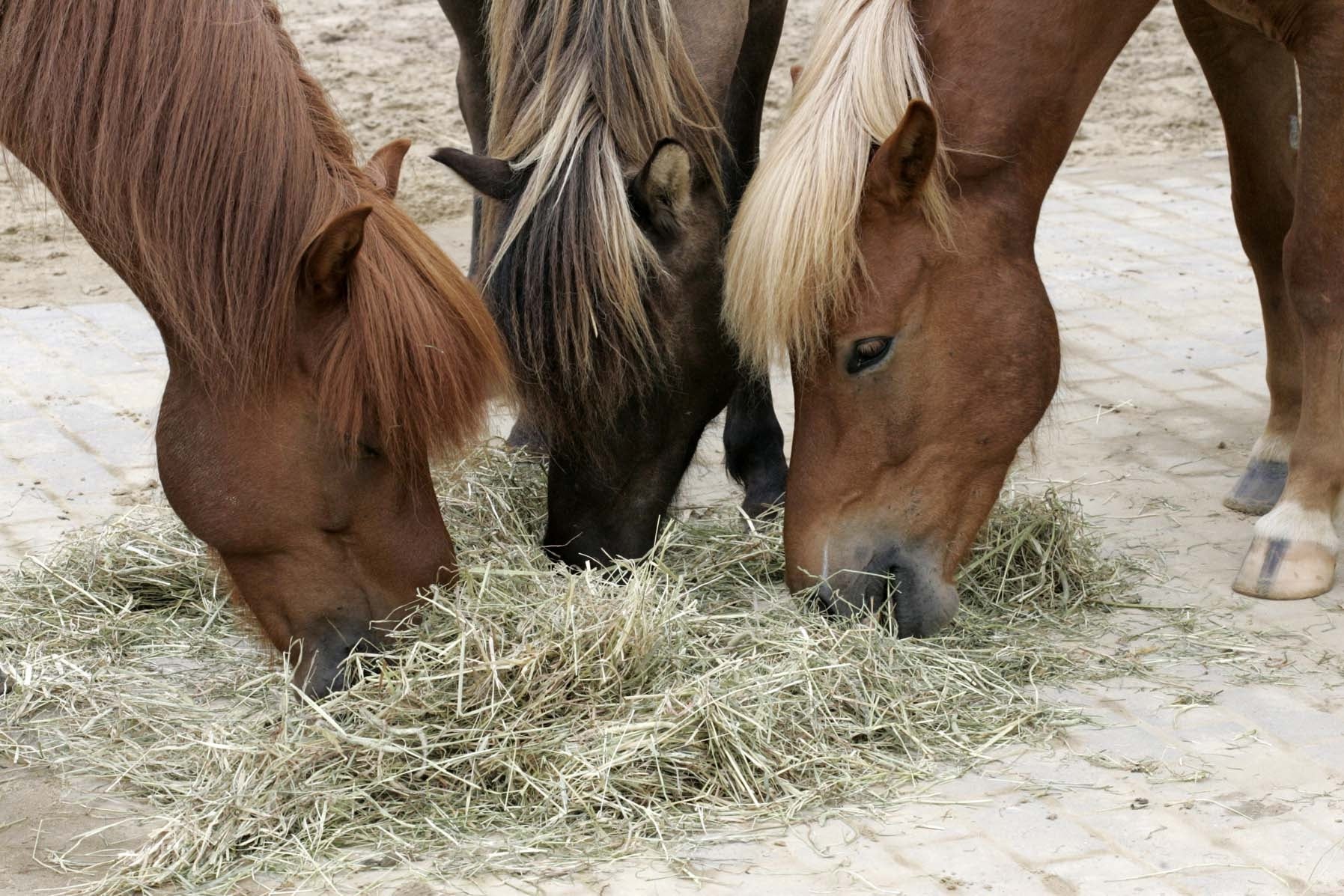

In this guide, you will learn how to implement the right feeding regimen for your horse with laminitis to promote its health and prevent relapses. The choice of suitable feed is crucial to minimize the risks of this painful condition. We will show you which nutrients and herbs your animal needs and how a holistic therapy can support your four-legged friend. Rely on our expertise to ensure the best possible care for your horse.
Key Findings:
- Individual Feeding: Tailored feeding, based on bioresonance hair analysis, is crucial to identify the causes of laminitis and develop appropriate solutions.
- Natural Healing Methods: Feeding high-quality hay and special herbal mixtures enables a holistic treatment of laminitis without resorting to strict diets.
- Conscious Grazing: Controlled access to pastures can be possible for laminitic horses, as long as feeding and underlying causes are carefully coordinated to prevent further flare-ups.
Understanding Laminitis
Definition and Causes
Laminitis, also known as founder, is an inflammatory condition of the laminae of the hoof, which can lead to severe pain and permanent damage to the hooves. The causes are varied, ranging from nutritional errors to metabolic disorders and mechanical stress. A disturbed nutrient balance and excessive amounts of sugar or starch in the diet are significant factors.
Risk Factors and Predisposition
Various risk factors can increase the likelihood of developing laminitis. These include obesity, lack of exercise, genetic predisposition, and previous laminitis episodes. Other conditions such as Equine Metabolic Syndrome (EMS) are also common predisposing factors and should be considered in feeding.
A closer look at the risk factors shows that overweight and less mobile horses, in particular, have a higher risk of laminitis. Similarly, horses with metabolic disorders or those that frequently graze on nutrient-rich grass are particularly at risk. Awareness of these factors is crucial to prevent laminitis and adapt your feeding strategy accordingly.
Symptoms and Diagnosis
The symptoms of laminitis are often clear and recognizable: affected horses show signs of pain, such as avoiding movement, lifting their front feet, and a characteristic "frog-landing" stance. A quick and precise diagnosis is crucial for further treatment.
When diagnosing laminitis, veterinarians look for typical symptoms indicating inflammation of the laminae. Digital pulsations, painful tenderness in the hooves, and restlessness are important signs. Early diagnosis can help reduce the severity of the disease and initiate appropriate therapeutic measures to make your horse pain-free and performing again.
The Role of Feeding in Laminitis
Feeding plays a central role in the treatment and prevention of laminitis, a serious condition characterized by inflammation of the laminae. An appropriate feeding strategy can significantly contribute to stabilizing your horse's health. With laminitis, it is important to carefully analyze and, if necessary, adjust the individual diet to alleviate symptoms and minimize the risk of further flare-ups.
Physiological Principles of Horse Feeding
The physiological principles of horse feeding are crucial for your horse's well-being and performance. Horses have a specialized digestive system designed to continuously ingest small amounts of feed. An unbalanced diet can lead to metabolic disturbances, which can promote laminitis.
Importance of Nutrients for Hoof Health
Nutrients are essential for maintaining your horse's hoof health. A balanced supply of minerals and trace elements such as zinc, biotin, and copper contributes to the strength and elasticity of the hooves. A deficiency in these nutrients can significantly impair hoof health and predispose to laminitis.
Specifically, biotin has proven to be important in practice for hoof health, as it contributes to keratin formation, which is crucial for the structural integrity of the hooves. In addition, minerals such as magnesium and calcium are essential to reduce inflammation and promote the regeneration of hoof tissue. An individually tailored diet that addresses your specific needs is therefore indispensable.
Basic Vital Mix: To support hoof health, supplementation with a high-quality mineral feed such as Basic Vital Mix can help. This product contains essential nutrients that are important for healthy hooves."
Sugar Content and Fructan in Feeding
The sugar content and fructan in feeding often represent a critical point in the diet of laminitic horses. High sugar and fructan levels can negatively affect your horse's insulin levels and thus trigger or worsen laminitis.
It is of great importance that you consider the fructan levels in grass and other feedstuffs, especially during the growth phase of plants or in warm weather. A careful analysis of feed components can help you identify potential risks. You should absolutely make sure to use high-quality hay for feeding, which is appropriately prepared, so as not to jeopardize the health of your laminitic candidates.
Principles of Optimal Feeding
Optimal feeding for laminitis requires sound knowledge of your horse's needs. It is important that you make the right choice of feedstuffs to promote your animal's health and well-being. Targeted feeding not only helps to counteract acute laminitis flare-ups but can also support recovery and sustainably improve your horse's quality of life.
Choosing the Right Feed
When choosing the right feed, you should consider your horse's specific needs. High-quality hay is often the best foundation, while grass can be problematic for many laminitic horses. Before introducing new feedstuffs, individual analysis is advisable to identify potential triggers of laminitis.
Importance of Hay and Silage
Hay plays a central role in the diet of horses with laminitis. The quality of the hay influences your feeding strategy and can significantly contribute to regulating metabolism. However, silage should be avoided due to its higher sugar content.
Regarding the importance of hay: High-quality hay contains important nutrients that help your horse stay healthy. It should be low in sugar and starch to minimize the risk of a laminitis flare-up. Hay, especially if it is soaked, can reduce fructan intake and is gentle on digestion. Make sure you regularly check the hay quality to provide the best possible care for your laminitic patient.
Use of Mineral Feed and Supplementary Feedstuffs
The use of mineral feed and supplementary feedstuffs is crucial for a complete nutrient supply. These products should be specifically tailored to the needs of laminitic patients to prevent deficiencies.
When considering mineral feeds and supplementary feedstuffs, ensure they contain vital minerals and trace elements in bioavailable form. Only then can you ensure that your laminitic horse receives all the necessary nutrients it needs to support its health. Targeted supplementation can positively influence metabolism and sustainably increase your horse's well-being, while also helping to counteract long-term damage and renewed flare-ups.
Practical Feeding Strategies
Feeding during Acute Laminitis Phases
During the acute laminitis phase, it is crucial to strictly adjust the feeding. You should offer high-quality hay that is well-soaked to minimize sugar and starch intake. Mineral feed is also essential to provide the vital nutrients for the laminitic horse. Avoid additional feed and focus on ensuring the horse consumes enough fluids.
Long-term Feeding Adjustments
Long-term feeding adjustment is crucial for your horse's health. It is important to systematically identify and address the causes of laminitis. This can be done through individual feeding plans based on bioresonance hair analysis to optimize nutrient intake and rule out possible deficiencies.
The long-term nature of these adjustments is key to preventing relapses. By creating a balanced nutrient profile and considering your horse's individual needs, you can support recovery and significantly minimize the risk of future laminitis flare-ups. In addition, regular monitoring and adjustments to the diet should be considered to sustainably promote your horse's health.
Grazing and Pasture Management
Grazing plays an important role in the management of laminitis. It is crucial to use well-fenced and nutrient-conscious pastures and to regulate grazing time to minimize sugar intake. Start with short grazing periods and observe your horse closely.
Thoughtful pasture management includes regularly monitoring grass nutrient levels and adapting the grazing plan to your horse's needs. Use times with low fructan content for grazing and implement a muzzle system, if necessary, to control feed intake. The goal is to find an optimal balance between grazing time and feed intake to ensure your horse's long-term health.
Naturopathy and Alternative Therapies
In holistic equine medicine, naturopathy and alternative therapies play a decisive role in the treatment of laminitis. These methods aim to activate the horse's natural healing powers and enable an individually tailored therapy that goes beyond mere diets.
Herbs and their Effect on Laminitis
Herbs can provide valuable support in the treatment of laminitis. Their healing properties promote the body's regeneration and help alleviate inflammation. By combining herbs in a targeted way, feeding can be tailored to your horse's individual needs.
Bioresonance and Individual Therapeutic Approaches
The bioresonance offers you the possibility to determine the specific causes of your horse's laminitis. Through this therapy, you can find out which nutrients and remedies help your horse the most, so that the treatment can be optimally adapted.
Bioresonance hair analysis specifically shows you which deficiencies or excesses exist in your horse's nutrient balance and enables targeted therapy. With this information, you can make an informed decision about which herbs or supplements are useful to sustainably promote your horse's health after laminitis.
Complementary Natural Remedies
Additional natural remedies, such as certain oils or tinctures, can support wound healing and promote your horse's well-being. These remedies offer valuable supplementation to an adjusted diet.
By using complementary natural remedies, you can further support your horse's health and accelerate recovery from laminitis. Be sure to select products tailored to your horse's specific needs to achieve the best possible results. These individual solutions, when combined correctly, can lead to a sustainable improvement in animal health.
Case Studies and Testimonials
Successful Feeding Adjustments
Numerous case studies have shown that individual feeding adjustments are crucial for the recovery of laminitic patients. With the targeted selection of high-quality hay and a specially tailored herbal recipe, many horses showed significant positive progress within a few weeks. The integration of naturopathy proved particularly effective in this regard.
Long-term Observations and Results
Long-term observations of laminitic patients show that sustainable improvements can be achieved through targeted feeding adjustments and holistic therapy. Many horses regained full mobility and lived pain-free lives again. It is important to continuously document and analyze these successes to be able to make informed recommendations.
In recent years, we have documented numerous success stories where horses, despite chronic laminitis, were able to regain a healthy lifestyle through effective feeding strategies and the identification of the causes of the disease. Returning to pasture, after critical assessment of nutrient intake, is possible in many cases, which shows that stress-free feeding and prevention significantly contribute to recovery.
Interviews with Horse Owners and Animal Naturopaths
Through conversations with horse owners and animal naturopaths, valuable insights into the challenges and successes in laminitis treatment were gained. Many reported positive changes achieved through optimized feeding and the application of bioresonance hair analyses.
These interviews reveal that changed nutritional management not only contributes to the physical health of the horses but also strengthens the trust of the owners. The experiences of owners in treating their horses demonstrate the importance of an informed approach and the necessity of finding the right combination of feeding and therapy to achieve long-term success. A conscious approach to nutrition has proven to be key to sustainable animal health.
Conclusion
Summary of Key Findings
In the treatment of laminitis, adapted feeding is crucial. The traditional practice of a strict diet and prohibiting grazing has not shown the desired results in practice. Instead, it is important to identify and specifically treat the causes of laminitis by focusing on a balanced diet and natural remedies.
Outlook on Future Developments in Laminitis Treatment
The future of laminitis treatment will increasingly focus on a holistic approach that offers individual solutions for each horse. Methods such as bioresonance hair analysis can provide a more precise diagnosis and treatment that will benefit your horses in the long term.
It is expected that research into the causes of laminitis will intensify in the coming years. This could lead to better treatment methods that not only combat symptoms but also focus on prevention and sustainable solutions. Innovative feeding approaches and tailored therapies will play a central role in ensuring that your horses remain healthy and live a horse-friendly life.
Conclusion
To promote the health of your animals in the long term, you should rely on a balanced diet, regular health checks, and an individual treatment method that addresses the specific needs of your horse.
By integrating sustainable approaches into the keeping and feeding of your animals, you not only create a better quality of life but also reduce the risk of diseases such as laminitis. Take the opportunity to deepen your knowledge of feeding and animal health to identify any risk factors early and take preventive measures. Your commitment to holistic animal care will not only positively affect your horses' health but also increase their joy of life.
These questions about feeding for laminitis are frequently asked:
1. What can be fed to a horse with laminitis?
Horses with laminitis require carefully selected feeding to support the healing process and prevent relapses. Low-energy and high-fiber hay, with as little sugar and starch as possible, is recommended. Special rations with low sugar content and high crude fiber content can also be fed. Mineral-rich supplementary feeds are often useful to compensate for nutrient deficiencies without supplying unnecessary energy.
2. How do I feed a laminitic horse?
A laminitic horse should be fed with a strict feeding plan based on high-fiber and low-energy food. Choose high-quality hay with low sugar and starch content and avoid feeds such as oats or grain mixtures. Fresh grass is generally too high in sugar, so the horse should only graze in a controlled manner and, at best, on grazed-out areas.
3. What should a horse with laminitis not eat?
Horses with laminitis should under no circumstances receive feed that is rich in sugar or starch, such as grains, concentrated feed, fresh grass, or sugar-rich hay. Silage and feeds with molasses are also unsuitable, as they increase the risk of deterioration. Such feeds can exacerbate inflammation and lead to relapses.
4. What kind of hay for laminitic horses?
For horses with laminitis, hay with a low fructan content is ideal, meaning hay that was harvested late and contains less sugar. Hay should be soaked before feeding to rinse out excess sugar. A veterinarian or feed analysis can help find the right hay and ensure that it meets the horse's nutritional needs without worsening the laminitis.
5. What is the best feed for horses with laminitis?
The best feed for horses with laminitis is a low-energy, high-fiber, and low-sugar feed. In addition to high-quality hay, special laminitis feeds developed for horses with metabolic problems are suitable. Such feeds often contain additional vitamins and minerals without increasing sugar or starch content, thus supporting the horse's health.
6. What do you feed a pregnant mare with laminitis?
A pregnant mare with laminitis needs a balanced diet that supports both the fetus and considers the laminitis. The feed should be rich in crude fiber and low in sugar and starch. High-quality hay and a mineral feed specifically tailored to pregnant mares are recommended. Close consultation with a veterinarian or feed advisor is important to meet individual needs without worsening the laminitis.
7. What feed causes laminitis?
Laminitis can be triggered or worsened by sugar and starch-rich feed, including fresh grass, grains, high-energy concentrated feed, and molasses-containing feed. The risk is particularly high in spring and autumn when grass has high fructan levels. Incorrect feeding of sugar-rich hay can also contribute to the development of laminitis.
8. How can I support my horse with laminitis?
A horse with laminitis can be supported through careful care and adapted feeding. In addition to the right feed choice, soft bedding in the stable is helpful to relieve pressure on the hooves. Regular hoof care and gentle exercise in consultation with the veterinarian also contribute to alleviating symptoms. Additionally, anti-inflammatory supplementary feeds can be used to promote the regeneration of hoof tissue.
Sources:
- Study on Equigard
- Study on Derminlc-Prozen
- News on the topic: Feed for laminitic horses
- German Equestrian Federation (FN): Guidelines for Riding and Driving, Volume 4. 2010, ISBN 978-3-88542-284-6, p. 137 ff.
- Farm Building Letters No. 49 – Horse Keeping. German Agricultural Publishing, Hanover, p. 45 ff.
Editorial Guidelines of Horse Vitality Company
At Horse Vitality Company, we create every contribution according to strict quality standards, relying on reputable sources and scientific research. Our editors are proven experts in the field of equine health and offer you well-founded, trustworthy information.
Expertise and Quality Assurance
- Qualified Authors: Our editors have extensive expertise in equine health and animal care.
- Double Check: Each article is additionally reviewed by a second expert to ensure accuracy and relevance.
Sources and Transparency
- Reputable Sources: We only use trustworthy sources and scientific studies to substantiate the content.
- Disclosure: We disclose potential conflicts of interest and ensure transparency.
Reader-friendliness and topicality
- Reader-friendly Presentation: Our content is continuously optimized to make it as understandable and accessible as possible.
- Topicality: We regularly review our articles and update them as needed to ensure they are always up-to-date.
Interaction and Feedback
- Reader Orientation: Our goal is to offer you an initial orientation. For individual health or care questions, we recommend consulting a veterinarian or animal naturopath.
- Feedback Option: We invite our readers to provide feedback and ask questions. Your suggestions help us continuously improve our content and tailor it to your needs.
These guidelines ensure that the content of Horse Vitality Company always meets the highest standards of expertise, authority, and trustworthiness.


