

Care
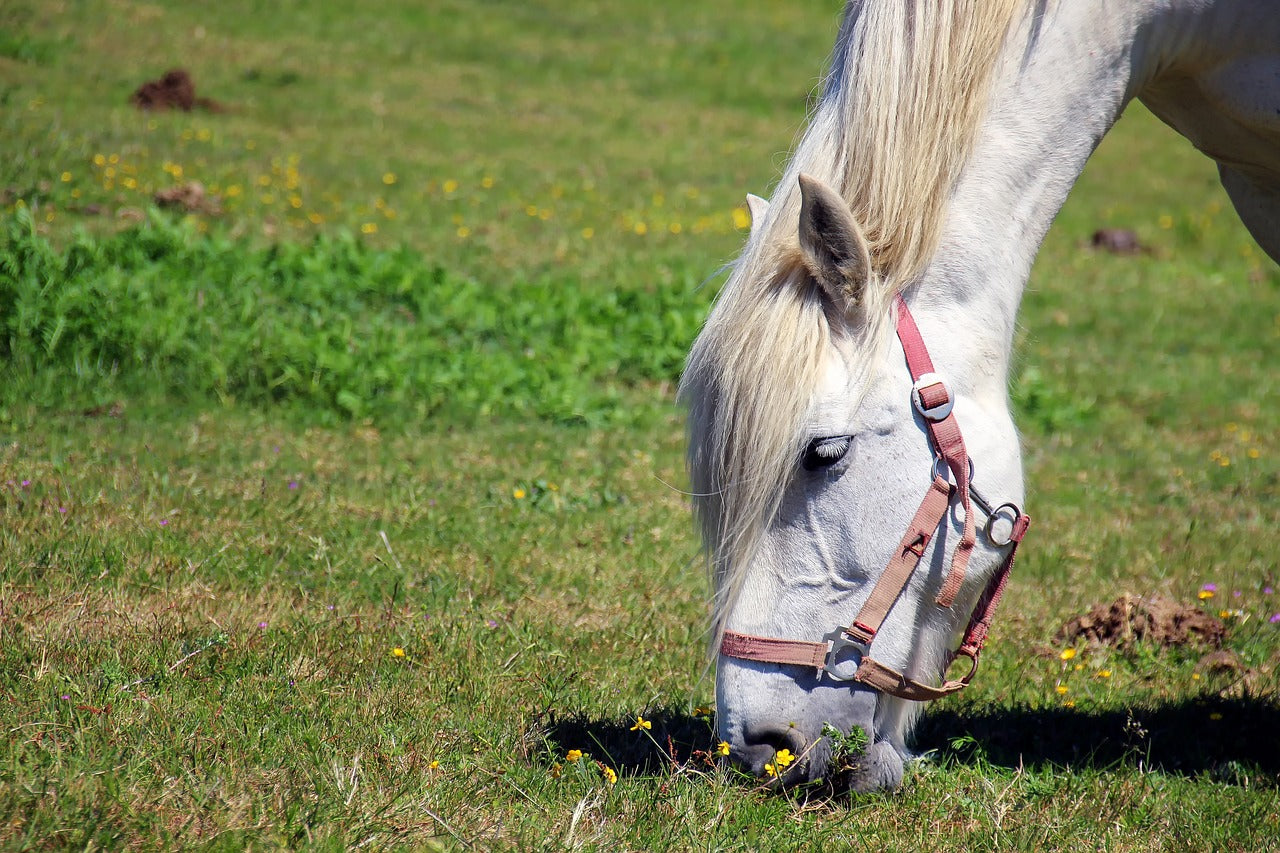

Can I ride my Cushing's horse?
Riding with Cushing's - here's how If your horse suffers from Cushing's Syndrome, the question often arises whether riding is still possible. It is important that you inform yourself about your horse's special needs and make appropriate adjustments. Moderate exercise can be useful, but you should always pay attention to the symptoms and avoid excessive strain. By adapting your training methods and taking regular breaks, you can support your horse's health and enjoy riding at the same time. Also, work closely with a veterinarian to develop the optimal training plan. Understanding Cushing's Disease in Horses Cushing's disease, also known as Equine Cushing's Syndrome or PPID (Pituitary Pars Intermedia Dysfunction), is a common hormonal disorder in older horses. This disease results from a dysregulation of the pituitary gland, leading to excessive production of hormones, especially the hormone ACTH. Typical symptoms include excessive thirst, increased appetite, weight loss, and changes in the coat, such as a long, curly coat. These symptoms can significantly impair your horse's general health and performance. Definition and Symptoms Cushing's disease is a hormonal disorder that typically occurs in older horses. The most common symptoms include excessive thirst, increased appetite, weight loss, and coat irregularities, such as a prolonged and curly coat. These symptoms can negatively impact your horse's health and significantly limit its ability to perform activities. Diagnosis and Veterinary Examination Cushing's Syndrome is diagnosed through veterinary examinations, hormone tests, and other assessments. It is important to have a comprehensive veterinary examination before you consider riding your horse or subjecting it to strenuous activities. Only then can you determine if your horse is suitable for physical exertion and what special requirements need to be considered. The diagnosis of Cushing's requires a comprehensive approach that includes symptom assessment and hormone tests to determine hormone levels in the blood. Special attention must be paid to timely detection of potential complications, such as vaccination side effects or worsening of symptoms, before you ride or exert your horse. It is crucial to keep an eye on your horse's health and support it with continuous veterinary expertise. Impact of Cushing's Disease on Training Ability Cushing's can significantly affect your horse's stamina and energy levels. The disturbed hormone production leads to physiological changes that negatively impact the ability to perform strenuous activities. Affected horses often suffer from reduced muscle strength and impaired performance, which decreases their tolerance for exercise. Symptoms such as fatigue and general weakness make it difficult to maintain regular training sessions. Reduced Performance Physiological changes in Cushing's affect how your horse handles exertion. Horses with this disease often show reduced stamina, meaning their ability to remain active for longer periods is severely limited. This can lead to rapid exhaustion and poorer recovery, which increases the risk of injuries. By maintaining an adapted training routine, however, you can work to stabilize performance. Risk Factors for Complications If you are riding a horse with Cushing's, you should keep an eye on potential complications such as laminitis, weight fluctuations, and increased susceptibility to infections. These risks deserve close attention, as they can become more pronounced during physical activities. Monitoring and appropriate adjustment of training are crucial to avoid potential negative consequences. All adjustments should always be made with your horse's well-being in mind. Laminitis as an acute danger Observe weight fluctuations Increased susceptibility to infection raises risk factors When considering the risk factors for complications, it is important to regularly check your horse's health. Pay particular attention to symptoms of laminitis or changing weight, as well as typical signs of an infection. A proactive approach helps keep your horse physically active and healthy. Any deviations should be discussed with the veterinarian immediately. Regular health checks are important Avoid changing training intensity Pay attention to symptoms Guidelines for Riding Horses with Cushing's Disease Riding a horse with Cushing's disease requires special attention and care. It is crucial to consider your horse's individual needs to ensure that training is both effective and gentle. Through adapted exercise plans, you can support your animal's health and well-being during rides. Consultation with a Veterinarian It is essential to consult a veterinarian before riding to develop an exercise plan tailored to your horse. Professional guidance ensures that your horse's health conditions are taken into account and that it remains safe while riding. Appropriate recommendations can help minimize any risks and promote your horse's well-being. Adjusting Riding Intensity and Duration You should adjust your riding routines by planning shorter sessions, lower intensity, and more frequent breaks to avoid fatigue and overexertion. Also, make sure to always adjust the physical exertion to your horse's condition. An individualized approach is important to make the training both pleasant and effective. When adjusting the riding intensity and duration, you should ensure that the training does not become too strenuous. It's best to start with 10 to 15-minute walking sessions to warm up your horse, and gradually increase the intensity depending on your horse's fitness. Frequent breaks are crucial to avoid overload. Also, watch for signs of fatigue or discomfort; this indicates when a break is needed. It makes sense to consult a trainer or veterinarian to develop an optimal plan that considers your horse's specific needs. Supportive Care and Management Strategies To optimally support your horse with Cushing's, holistic care is essential. This includes regular veterinary visits to monitor the course of the disease and a careful adjustment of the training plan. The right balance between exercise and rest phases plays a crucial role in improving your horse's quality of life. Nutritional Considerations Nutrition plays a key role in the treatment of Cushing's. A balanced, low-sugar and low-starch diet supports your horse's general health and energy. Supplements such as special feedstuffs can help regulate metabolism and increase well-being. (Be sure to consider your horse's individual needs when feeding.) Integration of Supportive Therapies Supportive therapies include regular veterinary check-ups, adapted medication management, and alternative healing methods. It is important to integrate these measures into your horse's routine, taking riding activities into account. Pay special attention not only to the feeding aspects but also to include physiotherapeutic approaches to promote the long-term health of the animals. Supportive therapies are an absolute must-have in the care of horses with Cushing's. They not only improve health but also your horse's performance. It is also important to communicate responsibly and regularly with the veterinarian about the best treatment approach. Continuous monitoring and adjustments help ensure well-being in the long term. Monitoring and Adjustment When riding a horse with Cushing's, it is crucial to continuously monitor its health and performance. Pay attention to changes in behavior or condition and do not hesitate to make necessary adjustments. If your horse shows signs of fatigue or discomfort, reduce the intensity of training or the duration of sessions. A sensitive approach to your horse's needs is essential to ensure its safety and comfort. Also, keep an eye on heart rate monitoring to avoid overexertion and to make training sessions effective. Conclusion: Yes, you can ride your horse despite Cushing's, but you should exercise particular caution. It is important that you adapt the training intensity and duration to your horse's abilities and health condition. Start with gentle, controlled movements to avoid overexertion. Make sure to schedule regular rest periods and monitor your horse's heart rate. If necessary, support training with special supplementary feed to optimize your horse's metabolism and promote health. These questions about riding a horse with Cushing's are frequently asked: 1. Can horses with Cushing's be ridden? Yes, horses with Cushing's can generally still be ridden, as long as they do not have health limitations such as laminitis or muscle weakness. Exercise helps maintain muscle mass and control weight, which is important for managing the disease. However, it is important to adjust the intensity and duration of training to the horse's individual health status and to conduct regular veterinary check-ups. 2. Can you still ride with Cushing's? Yes, horses with Cushing's syndrome can often still be ridden as long as the condition is well managed and the horse does not show acute symptoms such as laminitis. Regular, moderate exercise is even beneficial as it helps strengthen muscles and support metabolism. However, the training plan should always be tailored to the horse and adjusted to its current health status. 3. Is exercise good for horses with Cushing's? Yes, exercise is good for horses with Cushing's as it helps control weight and maintain muscle function. Regular exercise can also reduce the risk of laminitis and promote general health. The intensity and duration of exercise should be adjusted individually, depending on the horse's health status. 4. What should a Cushing's horse not eat? A Cushing's horse should not eat high-sugar and high-starch foods such as grains, molasses, sweet treats, carrots, or apples. These foods can increase insulin levels and exacerbate the risk of laminitis. Instead, they should receive a low-glycemic diet primarily based on hay. 5. When should you not ride a horse? You should not ride a horse if it has health problems such as laminitis, lameness, injuries, or respiratory issues. Rest is also important when there are acute symptoms of an illness or after surgery. If the horse is tired, exhausted, or sweats excessively on extremely hot days, riding should also be avoided. 6. Does Cushing's shorten a horse's life? Cushing's syndrome can shorten a horse's life expectancy, especially if complications like laminitis occur. However, many horses can lead long and fulfilling lives with early diagnosis and good treatment. The lifespan largely depends on the severity of the disease, the response to treatment, and the horse's general health. 7. Should a horse with Cushing's be blanketed? A horse with Cushing's should be blanketed if it has difficulty regulating its body temperature due to the disease, especially in winter or bad weather. Since Cushing's horses often have a long, dense coat that does not insulate well, blanketing can help keep the horse warm and dry. However, the decision depends on the horse's individual condition and the weather conditions. 8. When should a Cushing's horse be euthanized? Euthanasia for a Cushing's horse should be considered if it has persistent pain despite treatment, for example due to severe laminitis, and no improvement is in sight. If the quality of life is significantly impaired and the horse is suffering greatly, euthanasia can be a humane decision. The decision should be made in consultation with a veterinarian to consider the horse's well-being. Sources: Informative Video: Cushing in Horses Equine Cushing's Syndrome: Updates on Diagnostics and Therapy News on the topic: Cushing horse riding Wikipedia Article: Equine Cushing's Syndrome Civilization Diseases of Horses, Thieme Verlag, ISBN9783132431386, 3132431389 Article in Pferde Revue: Optimal support for Cushing's horses Image sources: Horse with rider Girl with Pony Group on a Ride Editorial Guidelines of Horse Vitality Company At Horse Vitality Company, we create every contribution according to strict quality standards, relying on reputable sources and scientific research. Our editors are proven experts in the field of equine health and provide you with well-founded, trustworthy information. Expertise and Quality Assurance Qualified Authors: Our editors possess extensive expertise in equine health and animal care. Double-Check: Every article is additionally reviewed by a second expert to ensure accuracy and relevance. Sources and Transparency Reputable Sources: We only use trustworthy sources and scientific studies to substantiate the content. Disclosure: We disclose potential conflicts of interest and ensure transparency. Reader-Friendliness and Currency Reader-Friendly Preparation: Our content is continuously optimized to make it as understandable and accessible as possible. Currency: We regularly review our articles and update them as needed to ensure they are always up to date. Interaction and Feedback Reader Orientation: Our goal is to provide you with initial guidance. For individual health or care questions, we recommend consulting a veterinarian or animal naturopath. Feedback Option: We invite our readers to provide feedback and ask questions. Your suggestions help us continuously improve our content and tailor it to your needs. These guidelines ensure that the content of Horse Vitality Company always meets the highest standards of expertise, authority, and trustworthiness.
Learn more
Cushing's Horse: Keep a close eye on the eyes
The Eyes as an Indicator of Metabolic Disorders If your horse suffers from Cushing's Syndrome, it is crucial to keep an eye on their eye health. This condition can lead to weepy eyes and other eye problems that are often overlooked. Therefore, pay attention to abnormalities such as swelling or unusual discharge. Regular check-ups and targeted measures can significantly improve your horse's quality of life and detect potential complications early. Your vet can help you develop suitable steps for treatment and care. Understanding Equine Cushing's Syndrome Equine Cushing's Syndrome (ECS) is a common hormonal disorder in horses and ponies caused by an excess of glucocorticoids. Primary causes are usually diseases of the pituitary gland, which impair the production of Adrenocorticotropic Hormone (ACTH) and thus stimulate the adrenal cortex to produce excessive cortisol. This hormonal imbalance leads to severe health problems, including eye conditions. Therefore, early detection of symptoms related to eye health is crucial. (Early diagnosis can significantly influence the choice of therapy.) Definition and Causes Equine Cushing's Syndrome (ECS) is a hormonal disorder that primarily affects older horses. The main cause of the disease is a malfunction of the pituitary gland, leading to excessive production of ACTH. This stimulates the adrenal glands to produce too much cortisol, leading to an imbalance in hormone levels. Overdoses of glucocorticoid medications can also play a role. Early symptoms such as weepy eyes can often be overlooked, making timely diagnosis difficult. (Therefore, pay particular attention to changes in your horse's behavior and eye condition.) Common Symptoms Beyond eye problems, a horse with ECS often shows other symptoms such as abnormal hair growth and behavioral changes, indicating a metabolic disorder. Sluggish activity and frequent infections can significantly affect your horse's well-being. These symptoms can also indirectly impact eye health, as a weakened immune system can lead to eye inflammation. (Careful observation of symptoms is key to effective treatment.) In addition to these signs, muscle wastage and hoof problems are common complications that occur if Equine Cushing's Syndrome remains untreated. A weakened immune system can also impair the healing of minor injuries, including those in the eye region. Things like tear flow or swelling can quickly lead to serious problems. (Proactive care of your horse's eyes can prevent serious long-term complications.) The Effects of Cushing's on Eye Health In horses with Equine Cushing's Syndrome (ECS), eye health can be significantly affected. The hormonal imbalances caused by the disease can lead to various eye problems. It is therefore important to regularly observe your horse's eyes and act immediately if you notice any unusual symptoms. Eye Symptoms in Cushing's Horses Horses with ECS often show weepy eyes, blinking, and are susceptible to infections. These symptoms are directly related to the hormonal imbalances caused by the disease. The moist environment around the eyes can promote the development of inflammation and other eye diseases, which is why you should always keep an eye on your horse's eyes. Long-term Risks to Eye Health Untreated eye problems in Cushing's horses can lead to chronic conditions that impair your animal's quality of life. Regular vet visits are essential to detect and treat potential problems early. Long-term neglect of symptoms can severely endanger not only eye health but also your horse's general well-being. The long-term risks of untreated eye disease in Cushing's horses are significant. If you do not act quickly, progressive diseases such as chronic conjunctivitis or other serious health problems can occur. These challenges can severely affect your horse's quality of life and lead to permanent vision loss. Therefore, you should always consider regular check-ups with the vet to ensure your horse's eye health. Diagnosis and Tests for Cushing's The diagnosis of Equine Cushing's Syndrome (ECS) is made through specific blood tests, particularly the ACTH test and the dexamethasone suppression test. The ACTH test determines the concentration of Adrenocorticotropic Hormone in the blood, with elevated levels indicating ECS. The dexamethasone suppression test checks whether cortisol production is reduced by an external glucocorticoid. The results of these tests are crucial for identifying horses that may be at higher risk for eye problems. Diagnostic Procedures Two important tests are available for diagnosing ECS. The ACTH test helps to determine the amount of hormone in the blood, with elevated levels indicating the presence of Cushing's. The dexamethasone suppression test is used to check cortisol production, as no decrease is observed in affected animals. Identifying ECS is important to detect eye problems early that can be caused by the syndrome. Importance of Regular Eye Examinations Regular eye examinations are essential for the ongoing care of Cushing's horses. Early detection of eye symptoms significantly improves treatment chances and helps ensure your horse's well-being. Since ECS is often accompanied by vision problems, you should ensure that your vet performs a comprehensive ophthalmological examination. Regular eye examinations allow you to detect changes or problems early, before they have serious consequences. Eye problems in Cushing's horses can lead to pain and permanent damage. Therefore, you should remember that your vet also keeps an eye on your horse's eyes during every examination. Through this proactive approach, you protect your horse's health and well-being long-term. Treatment Options for Cushing's The treatment of Equine Cushing's Syndrome (ECS) requires an individualized approach to minimize symptoms and improve your horse's quality of life. A main pillar of therapy is the administration of the drug Pergolide, which inhibits the excessive production of cortisol and thus can support not only general health but also your horse's eye health. In addition, targeted dietary adjustments are important to avoid further health problems and promote your horse's well-being. Medication and Management The primary medication for treating Cushing's is Pergolide, which regulates cortisol levels and thus improves your horse's general well-being. Since Cushing's is not curable, Pergolide must be administered lifelong. Complementary management strategies, such as dietary adjustments, are crucial to avoid stressing the metabolism. You should give your horse reduced-sugar feed and focus on roughage to support its health. Monitoring and Aftercare Aftercare is crucial to ensure adherence to diet and medication plans and to monitor both your horse's general and ocular health. Regular vet check-ups are necessary to ensure your horse receives the correct amounts of Pergolide and to make any necessary adjustments to feeding. (Avoid changes in medication without consulting your vet!) Continuous monitoring of your horse's health is essential to detect possible complications of Cushing's syndrome early. It is important that you keep an eye on your horse's body language and act immediately if you notice any changes. (A proactive approach is the key to your horse's long and healthy life!) Preventive Measures for Eye Health To support your Cushing horse's eye health, you should pay attention to preventive measures that improve general living conditions. This includes careful observation of the eyes to detect early signs of irritation or infection, as well as regular veterinary check-ups to identify potential problems in time. Also, make sure to reduce environmental stimuli that could affect your horse's well-being. Nutritional Support A balanced diet plays an important role in the eye health of a Cushing horse. Avoid sugary feeds to keep blood sugar levels stable, and integrate anti-inflammatory supplements, such as omega-3 fatty acids, to promote overall health. (It is crucial that you develop an individual feeding plan with your vet.) Environmental Factors Your Cushing horse's environment can have a significant impact on its eye health. Please ensure that your horse has sufficient shade and protection from external irritants, such as dust or pollen. Direct sunlight can also irritate the eyes and cause long-term damage. It is particularly important that you ensure a clean and irritant-free environment where your horse can feel comfortable. Dust, infectious diseases, or excessive light radiation can cause serious problems. Adapted husbandry and the provision of shade can have positive effects on the eye health of Cushing horses. Case Studies and Clinical Insights Mare A: 14 years old, showed severe tear production and grey hairs around the eyes, diagnosed with Equine Cushing's Syndrome (ECS), treatment-related improvement within 6 months. Gelding B: 10 years old, developed fat pads above the eyes and laminitis, long-term treatment with Pergolide led to stable health after 1 year. Mare C: 12 years old, had skin problems and excessive sweating, condition stabilized significantly after a change in feeding. Practical Examples In various cases of horses with ECS, significant eye symptoms such as watery eyes or fat pads were observed. In a mare that suffered from unclear symptoms for a year, adapted feeding and daily monitoring of the eyes led to significant improvement. A key learning point from these cases is the importance of early detection and adjustment of care needs (proactive care is the key to optimal quality of life). Veterinary Perspectives Veterinarians emphasize the importance of paying attention to eye health in ECS horses. Close monitoring and an integrated approach to treatment are crucial to avoid complications. Regular check-ups and adjustments to feeding are essential for preventing further health problems. Your horse's eyes provide a valuable indication of the condition of the entire organism. Eye symptoms can not only be aesthetically bothersome but also indicate structural and metabolic problems. Timely recognition of eye changes can help you act more quickly and improve your animal's quality of life. Ensure regular veterinary examinations and do not hesitate to intervene at the slightest changes. Conclusion: When monitoring a horse with Cushing's syndrome, it is important to pay particular attention to the eyes. Watery eyes or the formation of lumps are common symptoms that can indicate a progressive condition. Since these signs are often confused with other health problems, you should consult your vet immediately if you notice any abnormalities. Early diagnosis can be crucial to ensure your horse's well-being and quality of life. These questions about Cushing's horse eyes are frequently asked: 1. What does a horse with Cushing's look like? A horse with Cushing's often has a long, curly, and difficult-to-groom coat that does not shed even in summer. It may develop fat pads in unusual places such as on the crest of the neck or around the tailhead. In addition, it may show muscle wastage, especially on the back, and increased sweating, increased thirst, and more frequent urination. 2. What pain do Cushing's horses experience? Cushing's horses usually do not experience direct pain from the disease itself, but they can suffer from painful sequelae such as laminitis. Laminitis is an inflammation of the laminae, which causes severe pain and makes standing and walking very uncomfortable. They can also suffer from movement restrictions due to possible muscle atrophy. 3. How long can a Cushing's horse graze? A Cushing's horse should only be allowed limited grazing, especially if the grass has a high sugar content, as is the case in spring or after rainfall. Grazing time should be limited to a few hours per day, preferably during cooler morning or evening hours when the sugar content in the grass is lower. A lean pasture helps to minimize the risk of laminitis. 4. What should Cushing's horses not eat? Cushing's horses should not eat sugary or starchy feeds such as grains, molasses, sweet treats, carrots, or apples. These foods can increase insulin levels and exacerbate the risk of laminitis. Instead, they should be given a low-glycemic diet based on hay and special, low-starch, low-sugar feed mixes. 5. How do I know if my horse has Cushing's disease? Signs of Cushing's disease in horses include a long, curly coat that does not shed even in summer, fat pads in unusual places, muscle wastage, and increased drinking and urination frequency. Other symptoms may include laminitis, susceptibility to infection, excessive sweating, and behavioral changes. A definitive diagnosis is made by a veterinarian who performs special blood tests. 6. What happens if Cushing's is not treated? If Cushing's is not treated, the horse's condition can progressively worsen, leading to severe complications such as repeated laminitis, muscle wasting, infections, and a generally weakened immune system. Untreated, these complications can significantly impair the quality of life and ultimately become life-threatening. Timely diagnosis and treatment are crucial to slow the progression of the disease. 7. Do horses with Cushing's syndrome feel cold? Horses with Cushing's syndrome do not necessarily feel cold; many of them even develop a thick, curly coat that can keep them excessively warm. In some cases, however, there can be difficulties with thermoregulation, meaning they can both overheat and get cold. Therefore, it is important to look for signs of discomfort and to clip or rug the horse if necessary. 8. What is the life expectancy of horses with Cushing's disease? The life expectancy of a horse with Cushing's disease depends on various factors, including the severity of the disease, the response to treatment, and general care. With good treatment and management, many horses can lead long and fulfilling lives. However, if left untreated or with serious complications such as laminitis, life expectancy can be significantly shorter. Sources: Informative Video: Cushing explained News on the topic: Cushing horse eyes Wikipedia Article: Equine Cushing's Syndrome Zivilisationskrankheiten des Pferdes, Thieme Verlag, ISBN9783132431386, 3132431389 D. McFarlane: Diagnostic Testing for Equine Endocrine Diseases: Confirmation Versus Confusion. In: The Veterinary clinics of North America. Equine practice. Band 35, Nummer 2, August 2019, S. 327–338, doi:10.1016/j.cveq.2019.03.005, PMID 31076223 (Review) Metabolic diseases in horses, Tina Maria Ritter, Franckh-Kosmos Verlag, ISBN9783440508022, 3440508021 Image sources: Horse in the pasture Black horse with blaze Grey horse eye Editorial Guidelines of the Horse Vitality Company At Horse Vitality Company, we create every post according to strict quality standards, relying on reputable sources and scientific research. Our editors are proven experts in equine health and offer you well-founded, trustworthy information. Expertise and Quality Assurance Qualified Authors: Our editors possess extensive expertise in equine health and animal care. Double Check: Every article is additionally reviewed by a second expert to ensure accuracy and relevance. Sources and Transparency Reputable Sources: We use only trusted sources and scientific studies to substantiate the content. Disclosure: We disclose potential conflicts of interest and ensure transparency. Reader-Friendliness and Actuality Reader-Friendly Preparation: Our content is continuously optimized to make it as understandable and accessible as possible. Actuality: We regularly review and update our articles as needed to ensure they are always up-to-date. Interaction and Feedback Reader-Oriented: Our goal is to provide you with initial guidance. For individual health or care questions, we recommend consulting a veterinarian or animal naturopath. Feedback Option: We invite our readers to provide feedback and ask questions. Your suggestions help us continuously improve our content and tailor it to your needs. These guidelines ensure that the content of the Horse Vitality Company always meets the highest standards of expertise, authority, and trustworthiness.
Learn more
What is Cushing's disease in horses?
Causes, Symptoms and Modern Treatment Options Cushing's, also known as Equine Cushing's Syndrome (ECS), is a common metabolic disease in older horses that can cause serious health problems. If your horse is excessively sweating, has long, curly hair, and shows signs of muscle wastage, it could be suffering from Cushing's. The causes lie in the overproduction of hormones by the pituitary gland. In this blog post, you will learn everything important about the causes, symptoms, and modern treatment options to enable your horse to live a better life. What is Cushing's in Horses? Equine Cushing's Syndrome (ECS) is a common metabolic disease in older horses, caused by an overproduction of hormones in the pituitary gland. These hormones lead to various health problems, such as long hair, muscle wastage, and an increased susceptibility to laminitis. It is important to recognize the symptoms early to improve your horse's quality of life. Definition of Equine Cushing's Syndrome (ECS) Equine Cushing's Syndrome (ECS) is characterized by excessive hormone secretion from the pituitary gland, particularly ACTH. Reduced dopamine levels lead to uncontrolled activation of the pituitary gland, resulting in a variety of health impairments for your horse. These hormonal fluctuations can lead to a multitude of symptoms that significantly affect your horse's well-being. Overview of the Disease Cushing's is a widespread disease in horses and ponies from about 15 years of age. Approximately 22 percent of these animals are estimated to suffer from ECS, with many symptoms only appearing late. Among older horses, the prevalence is even higher: up to 95 percent of animals over 30 years old can be affected. Early diagnosis is crucial for appropriate treatment. The disease has gained importance in recent years as the life expectancy of horses has increased. Long-term studies show that up to 64 percent of 16- to 20-year-olds could be affected by Cushing's, indicating the need for continuous health monitoring. Therefore, you should regularly check your horse's health and consult specialists to plan interventional advisory measures. Causes of Cushing's Syndrome Equine Cushing's Syndrome (ECS) is primarily caused by a dysregulation of the pituitary gland, leading to an excessive production of hormones. This disease often occurs in older horses, typically from the age of 15. It is estimated that up to 64 percent of 16- to 20-year-old horses are affected. To ensure your horse's health, it is important to recognize symptoms early and consult a veterinarian if ECS is suspected. Anatomy of the Pituitary Gland The pituitary gland, a small gland in the brain, plays a central role in the body's hormone regulation. It produces various hormones that control many physiological processes. If this regulation fails, as is the case with ECS, the pituitary gland becomes overactive, which can lead to serious health problems in your horse. (A timely diagnosis is crucial for treatment.) Hormonal Changes in the Horse's Body In Cushing's syndrome, significant hormonal imbalances occur, particularly due to reduced dopamine production. Dopamine is crucial for regulating hormone secretion from the pituitary gland. When dopamine-producing cells release less dopamine, excessive amounts of Pro-opiomelanocortin (POMC) and thus also Adrenocorticotropic Hormone (ACTH) are produced. These hormones contribute significantly to the disease symptoms you can observe in your horse. The excessive production of POMC leads to the formation of several stress-related hormones in your horse's body. This not only causes typical symptoms such as hirsutism and muscle wastage, but can also lead to insulin resistance and thus to further complications such as laminitis. Therefore, pay attention to the signs and consult a veterinarian if you suspect, to help your horse in time. Symptoms of Cushing's in Horses Horses with Cushing's show a variety of symptoms indicating a metabolic disorder. The most common signs include an unnaturally long and thick coat, often referred to as hirsutism, as well as weight loss and a general decline in physical condition. Additionally, affected animals are more susceptible to infections and often show impaired wound healing. (Early diagnosis is crucial to maintain your horse's quality of life.) Physical Symptoms The physical symptoms of Cushing's in horses are clearly visible. These include an irregular coat change with curly and wavy hair, often also showing excessively long hair. Affected animals also tend to suffer from muscle wastage and often show fat deposits on the neck and croup. These changes are due to an insulin-resistant metabolic state, which can severely impair the horse's general well-being. (Regular veterinary checks are advisable to intervene early.) Behavioral Changes and Activity Level Horses with Cushing's can show significant behavioral changes. Lethargy is often observed, and activity levels decrease, which manifests in reduced playfulness and desire for movement. These changes can lead to apathy and severely affect the animal's general behavior. (It is important to pay attention to these signs, as they can indicate a progressive disease.) In many cases, the reduction in activity in Cushing's patients can also lead to psychological stress, as the horses no longer receive the usual exercise and stimulation. This can significantly reduce their quality of life and often requires special therapeutic measures. (In such a situation, targeted training programs and adapted feeding are crucial to promote your horse's well-being.) Diagnosis of Cushing's The diagnosis of Cushing's syndrome in horses requires a careful examination and the recording of the medical history. Based on visible symptoms and behavioral changes, the veterinarian gathers crucial information. A precise anamnesis is essential to rule out other possible diseases and to make a sound diagnosis. (A thorough anamnesis can significantly influence the success of the treatment.) Clinical Examination and Anamnesis During the clinical examination, your horse will be checked for typical symptoms such as hirsutism, muscle wastage, and behavioral changes. The anamnesis provides information about previous illnesses, feeding, and living conditions, which contribute to the diagnosis. The more detailed the information, the easier it is for the veterinarian to make a sound assessment. (You should gather important information in advance.) Laboratory Tests for Confirmation To confirm the diagnosis of Cushing's, special laboratory tests are often performed, in which your horse's insulin and ACTH levels are measured. An elevated ACTH level indicates an overactivity of the pituitary gland, while the insulin level can provide information about possible metabolic disorders. (The test results are crucial for the subsequent therapy.) In addition to insulin and ACTH tests, other blood tests may also be ordered to assess your horse's general health status and to rule out other diseases. A comprehensive blood test is therefore essential to correctly identify the causes of the symptoms. (In many cases, the diagnostic process requires patience, but precise tests lead to targeted treatment.) Therapy and Management of Cushing's The therapy for Equine Cushing's Syndrome (ECS) requires a comprehensive management strategy to improve your horse's quality of life. This includes medicinal treatments, feeding adjustments, and lifestyle changes, which together help to alleviate symptoms and promote your animal's well-being. Medicinal Treatment The medicinal treatment of Cushing's in horses is primarily based on Pergolide, a dopamine agonist that regulates the excessive production of hormones in the pituitary gland. It is crucial to carefully adjust the dose and carry out regular checks, as side effects such as loss of appetite or diarrhea can occur. An intact therapy can significantly slow down the progression of the disease. Feeding Adjustments and Lifestyle Changes The feeding adjustments are crucial for supporting a horse with Cushing's. Make sure to offer low-sugar and low-starch feed, as a disturbed sugar metabolism can lead to insulin resistance. In addition, lifestyle changes, such as ensuring regular exercise and a stress-free environment, are essential to alleviate symptoms and improve your horse's quality of life. The right feeding and care can help your horse stay more vital and active. Adjusting the feeding and general lifestyle can be crucial for your horse with Cushing's. Especially reduce the intake of sugary feeds to avoid metabolic problems. If necessary, supplement the diet with fiber to support digestion. Furthermore, it is important to reduce stress by creating quiet and retreat areas and ensuring regular, moderate exercise. A well-thought-out management in conjunction with selected dietary supplements can significantly improve your horse's quality of life. Prevention and Care of Cushing's Horses The prevention and care of Cushing's horses is crucial to improve their quality of life. Ensure a balanced diet and regular exercise to minimize the risk of weight gain and laminitis. Constant access to fresh water and shaded areas also plays an important role. Regular Veterinary Checks Regular veterinary checks are essential to monitor your horse's health and effectively manage the symptoms of Cushing's syndrome. The veterinarian can make necessary adjustments to the therapy and react early to changes. Plan at least two checks per year to ensure your horse is well cared for. Environmental Adaptations and Stress Reduction Creating a supportive environment can be of great benefit for Cushing's horses to reduce stress and promote well-being. This includes suitable shelters where your horse is protected from extreme weather conditions, as well as avoiding excessive noise disturbances. (A calm environment is crucial for the horse's quality of life.) Take measures to reduce stress by establishing regular routines and promoting contact with other horses. Try to avoid sudden changes in the environment, as these can cause stress. (A stable environment supports not only health, but also your horse's emotional well-being.) Conclusion Timely diagnosis and consistent management are crucial for the well-being of your horse with Cushing's syndrome. Approximately 22 percent of horses aged 15 and older are affected, meaning many symptoms may go undetected. Since the consequences of the disease, such as muscle wastage and health complications, can be significant, it is important that you act proactively. Support your horse through adapted feeding and regular veterinary checks to sustainably improve your animal's quality of life. These questions about Cushing's in horses are frequently asked: 1. How does Cushing's manifest in horses? Cushing's in horses, also known as PPID (Pituitary Pars Intermedia Dysfunction), often manifests with symptoms such as a long, curly coat that is not shed properly, muscle atrophy, fat deposits in unusual places, and laminitis. Horses may also drink and urinate more frequently. 2. What should horses with Cushing's not eat? Horses with Cushing's should not consume carbohydrate-rich feed such as grains or fructan-containing grass, as this increases the risk of laminitis. In addition, sugary treats should be avoided. 3. How does Cushing's become noticeable? Cushing's manifests through signs such as increased drinking and urination, a long, curly coat that is not shed properly, fat deposits in unusual places, muscle wastage, and an increased risk of laminitis. 4. How long can a Cushing's horse graze? Horses with Cushing's syndrome can graze, but grazing time should be strictly monitored, especially during spring and autumn months when grass contains particularly high levels of fructan. Generally, grazing for about an hour in the early morning or late evening is safest. 5. What should a horse with Cushing's syndrome not eat? A horse with Cushing's syndrome should avoid carbohydrate-rich feeds such as grains and fructan-containing grass. Sugary treats and other highly sugary foods are also unsuitable. 6. What happens if Cushing's is not treated? Untreated, Cushing's can lead to a worsening of symptoms, such as an increased risk of infections, muscle wastage, and laminitis. The horse's quality of life can suffer significantly, and it can ultimately lead to premature death. 7. Can horses with Cushing's syndrome graze in pastures? Horses with Cushing's syndrome are allowed to graze, but grazing time must be limited and carefully monitored to minimize the risk of laminitis. Grazing times in the early morning or late evening are usually safer. 8. What helps against Cushing's in horses? Cushing's is helped by a combination of medicinal treatment, usually with pergolide, and an adapted diet with a low-carbohydrate diet and limited grazing time. Regular veterinary examinations to monitor health status are also important. Sources: Wikipedia article on the topic: Equine Cushing's Syndrome Informative video on the topic: Cushing's in Horses Field study: Feeding and Nutritional Status of Equine Cushing's Patients News on the topic: Cushing in horses Metabolic Diseases in Horses, Tina Maria Ritter, Franckh-Kosmos Verlag, ISBN9783440508022, 3440508021 D. McFarlane: Diagnostic Testing for Equine Endocrine Diseases: Confirmation Versus Confusion. In: The Veterinary clinics of North America. Equine practice. Band 35, Nummer 2, August 2019, S. 327–338, doi:10.1016/j.cveq.2019.03.005, PMID 31076223 (Review) Image sources: Pinto Pony Brown Horse Horse Hoof Editorial Guidelines of Horse Vitality Company At Horse Vitality Company, we create every post according to strict quality standards, relying on reputable sources and scientific research. Our editors are proven experts in the field of equine health and provide you with well-founded, trustworthy information. Expertise and Quality Assurance Qualified Authors: Our editors have extensive expertise in equine health and animal care. Double Check: Every article is additionally reviewed by a second expert to ensure accuracy and relevance. Sources and Transparency Reputable Sources: We only use trustworthy sources and scientific studies to substantiate our content. Disclosure: We disclose potential conflicts of interest and ensure transparency. Reader-Friendliness and Actuality Reader-Friendly Preparation: Our content is continuously optimized to make it as understandable and accessible as possible. Actuality: We regularly review our articles and update them as needed to ensure they are always up-to-date. Interaction and Feedback Reader Orientation: Our goal is to provide you with initial guidance. For individual health or care questions, we recommend consulting a veterinarian or animal naturopath. Feedback Option: We invite our readers to provide feedback and ask questions. Your suggestions help us continuously improve our content and tailor it to your needs. These guidelines ensure that the content of Horse Vitality Company always meets the highest standards of expertise, authority, and trustworthiness.
Learn more
Cushing's disease in horses in the end stage
How the End Stage of Cushing's Syndrome Manifests Cushing's Syndrome (Equine Cushing's Syndrome, ECS) is an incurable metabolic disease that primarily affects older horses. In the end stage of this disease, affected animals often exhibit severe symptoms such as muscle wasting and frequent health problems like laminitis. It is crucial to optimize your horse's quality of life by taking appropriate measures for muscle mass maintenance and symptom relief. In this article, you will learn about the strategies and therapies that are beneficial for horses in the end stage of Cushing's Syndrome. Causes and Development of Equine Cushing's Syndrome The Role of the Pars Intermedia and the Pituitary Gland The pituitary gland, or hypophysis, especially its intermediate lobe (pars intermedia), is crucial for hormone regulation in the horse's body. In horses with Equine Cushing's Syndrome (ECS), dopamine production is significantly reduced, leading to an overactivity of the pituitary gland and disrupting the hormonal balance. Overproduction of Hormones The overproduction of certain hormones, particularly ACTH and cortisol, is a central feature of Equine Cushing's Syndrome. These hormonal imbalances cause numerous health problems and significantly affect your horse's well-being. In particular, increased ACTH production leads to an uncontrolled release of cortisol, an important stress hormone. These hormonal changes can have serious consequences for your horse's metabolism, leading to symptoms such as laminitis, skin changes, and a weakened immune system. It is important to recognize these hormonal changes early to take targeted measures. How Stress Influences Cortisol Production Stress situations lead to an increased cortisol release, which increases the risk of Cushing's in horses. The symptoms of stress are often subtle but can have serious health consequences. When your horse is under stress, the body produces more cortisol, leading to a vicious cycle. These excess cortisol levels exacerbate hormonal imbalances associated with ECS and can cause further health problems such as digestive issues and a weakened immune system. Stress management and a calm environment are therefore crucial to promote your horse's health and minimize the risk of Cushing's. Symptoms of Equine Cushing's Syndrome Overview of Symptoms Equine Cushing's Syndrome (ECS) manifests through a variety of symptoms that often occur in combination. Common signs include fat redistribution, emaciation, hirsutism, excessive sweating, and laminitis. Symptoms can vary depending on the severity of the disease and significantly impair your horse's quality of life. Fat Redistribution In Equine Cushing's Syndrome, atypical fat distribution leads to fat deposits in specific areas of the body, particularly above the eyes and on the rump. These changes are characteristic of the disease. Fat redistribution results from a disturbance in fat metabolism, which is common in ECS. Typically, affected horses develop fat pads in characteristic areas, which not only affects their appearance but also indicates deeper metabolic problems. Early detection can be crucial to prevent further health complications. Emaciation Despite normal to increased food intake, horses with Cushing's may experience weight loss. Disrupted protein metabolism leads to significant muscle wasting. The back muscles are often particularly affected, leading to a pronounced swayback. This emaciation poses a serious health risk as it reduces overall quality of life and the horse's resistance to disease. Therefore, it is important to monitor the feeding and nutrient intake of affected animals. Hirsutism and Coat Changes A common symptom of Equine Cushing's Syndrome is hirsutism, which manifests as long, curly coats. These coat changes are often clearly visible. In affected horses, the coat often grows in irregularly, and typical seasonal coat changes are disrupted. This can be caused by hormonal imbalances in the body, and quick identification of these symptoms can help to favorably influence the course of the disease. Excessive Sweating Horses with ECS often exhibit excessive sweating, even at rest. This is one of the most uncomfortable symptoms for the animals. This sweating can not only cause discomfort but also indicate impaired thermoregulatory function of the body, significantly impacting quality of life. It is important to pay attention to changes in your horse's sweating behavior and discuss them with a veterinarian to take appropriate measures. Laminitis as a Symptom of ECS Another serious symptom of Equine Cushing's Syndrome is laminitis, which can have serious consequences for your horse's health. Laminitis often occurs due to high cortisol levels and associated metabolic abnormalities. This can lead to inflammation and pain in the hoof area, requiring immediate veterinary treatment. Prevention and early intervention are crucial to ensure your horse's well-being and avoid severe damage. Diagnosis of Equine Cushing's Syndrome The Role of Blood Testing Blood testing plays a central role in the diagnosis of Equine Cushing's Syndrome (ECS). Particularly, the determination of ACTH (Adrenocorticotropic Hormone) levels in the blood allows veterinarians to confirm the presence of the disease, as an elevated ACTH level typically indicates an overproduction of hormones. Importance of Timely Laboratory Submission for ACTH Value Determination Timely laboratory submission is crucial for the accuracy of ACTH value determination. Delays can falsify results and lead to an incorrect diagnosis. Therefore, blood samples should be sent to the laboratory promptly to ensure precise analysis. The importance of timely submission of blood samples cannot be overstated. ACTH is a sensitive hormone whose levels can vary greatly. Rapid laboratory submission minimizes the risk of false-negative or false-positive results, which could significantly impact the course of treatment. Therefore, it is crucial that when ECS is suspected, you remember to perform blood tests as quickly as possible and send the samples to the laboratory immediately. Treatment Options for Equine Cushing's Syndrome Medicinal Approaches The most common medicinal treatment for Equine Cushing's Syndrome is Pergolide, which regulates hormone secretion and counteracts symptoms such as laminitis and emaciation. Another approach could be Trilostane, which also supports hormonal balance. These medications can significantly improve your horse's quality of life if used early. Dietary Adjustments Targeted nutrition is crucial to alleviate the symptoms of Equine Cushing's Syndrome. Avoid starch and sugar-rich feeds to stabilize your horse's insulin levels. Instead, focus on protein and fat-rich products to maintain muscle mass and promote health. An adaptable diet could also include the use of high-quality, easily digestible feeds to improve your horse's well-being. Supplementing the feed with essential amino acids can help prevent muscle breakdown and optimize nutrient absorption. Make sure to adjust the feed ration gradually and observe how your horse reacts to the changes. Supplemental Therapy with Micronutrients and Bioactive Substances The use of micronutrients can also have positive effects. Supplements such as Vitamin E or Selenium strengthen the immune system and support your horse's overall health. Comprehensive micronutrient supply is essential to promote health in the end stage of Cushing's Syndrome. Targeted supplementation with bioactive substances can help reduce inflammatory processes and strengthen the immune defense. Supplements such as Omega-3 fatty acids have anti-inflammatory effects and can positively influence your horse's quality of life. Make sure to develop an individual strategy tailored to your animal's specific health condition. Feeding Strategies for Horses with ECS Avoidance of Starch and Sugar-Rich Products When feeding horses with Cushing's syndrome, it is crucial to avoid starch and sugar-rich products. These nutrients can promote insulin resistance and worsen the symptoms of the syndrome. Instead, you should rely on high-quality, fiber-rich feeds that keep blood sugar levels stable and support your horse's well-being. Protein and Fat Focus Proteins and fats play a central role in the diet of horses with Equine Cushing's Syndrome. These macronutrients not only help maintain muscle mass but also support the metabolism of animals that often suffer from muscle wasting. Make sure to choose high-quality protein sources to promote your horse's health. A protein-rich diet can compensate for muscle loss caused by Cushing's Syndrome and increase your horse's overall vitality. Supplement the feed ration with high-quality fats to provide additional energy. Fats are an excellent energy source and can stimulate feed intake, which is especially important for horses that may have difficulty maintaining their weight. When selecting feed components, you should ensure that they are of high quality to achieve the best possible results. Supplementary Feeds with Essential Amino Acids To optimize the health of your horse with Cushing's, supplementary feeds with essential amino acids should be considered. These amino acids not only support muscle building but also regeneration and your horse's immune system. Essential amino acids such as lysine and methionine are crucial for protein synthesis and help maintain muscle mass. Horses with Cushing's Syndrome often suffer from metabolic disorders, meaning they may initially consume normal amounts of feed but cannot efficiently utilize the necessary nutrients. Therefore, supplementary feeds are a sensible strategy to ensure that your horse receives all the necessary nutrients required for optimal health. Supplementary Feed for Cushing Horses An unbalanced diet, high performance demands, and environmental stressors can lead to deficiencies and metabolic problems in horses, especially those with Cushing's Syndrome. The Metabolism Booster for Horses, developed by Sandra Fencl in collaboration with the Katharinen Pharmacy in Unterhaching, offers an ideal solution here.This supplementary feed provides important vitamins, minerals, and trace elements that are often missing from the daily diet. Many customers report increased vitality and improved performance in their horses. The Metabolism Booster stabilizes metabolism and noticeably improves the well-being of horses with Cushing's Syndrome. Optimization of Micronutrient Supply Another important aspect of feeding horses with Cushing's is the optimization of micronutrient supply. Vitamins and minerals play a central role in metabolism and immune defense and should be supplemented specifically. Especially antioxidant vitamins like Vitamin E and Vitamin C can help protect cells from oxidative stress, which is common in horses with Cushing's Syndrome. The addition of minerals such as zinc, copper, and selenium supports overall health and promotes a better immune response. Make sure that the micronutrients are contained in a well-balanced ratio to ensure effective support and minimize the risk of deficiencies. Management of Equine Cushing's Syndrome in the End Stage If your horse is in the end stage of Equine Cushing's Syndrome (ECS), it is important to pursue targeted management to optimize quality of life and well-being. Management in this advanced phase includes several crucial measures to slow the progression of symptoms and provide your horse with as comfortable a life as possible. Regular veterinary check-ups Adjustment of medication Nutritional management to support metabolism Stress reduction through a calm environment Physiotherapy to support musculature Measure Description Regular veterinary check-ups Important monitoring of symptoms and adjustments to therapy. Adjustment of medication Adjustment of medications like pergolide to improve hormonal balance. Nutritional management Diet adjustments to support disturbed metabolism. Stress reduction Creating a relaxed environment to reduce stress factors. Physiotherapy Targeted exercises to strengthen muscles and improve mobility. Measures for muscle mass maintenance and quality of life optimization The preservation of muscle mass and the optimization of quality of life are of utmost importance in the end-stage of Equine Cushing's Syndrome. Through targeted physiotherapeutic exercises, you can support your horse's musculature and slow down muscle wastage. An adjusted diet rich in essential amino acids can also help maintain muscle mass and promote health. It is crucial that you work closely with your veterinarian to ensure the best possible care. Conclusion In the end-stage of Cushing's Syndrome, your horse often shows significant symptoms such as severe muscle wastage, weight loss, and an overall reduced quality of life. Hormone fluctuations impair metabolism and immune defense, which can lead to further health problems. To ensure your horse's well-being, a holistic approach that includes both medical and supportive therapeutic measures is essential. Close collaboration with your veterinarian can help optimize your animal's quality of life during this critical phase. These questions about Cushing's in horses are frequently asked: 1. Do horses with Cushing's experience pain? Horses with Cushing's Syndrome (Equine Cushing's Syndrome, ECS) generally do not directly experience pain due to the disease itself. However, they can experience pain from secondary problems such as laminitis, which often accompanies ECS. The general weakening of the immune system can also lead to further health problems and discomfort. 2. How old can a horse with Cushing's live to be? With proper care and treatment, horses with Cushing's Syndrome can often reach a normal age. Many horses live for many years despite the diagnosis, often into their 20s. The key is consistent treatment and regular veterinary care to minimize complications. 3. What happens if Cushing's is not treated? Untreated, Cushing's Syndrome can lead to serious health problems, including laminitis, recurrent infections, muscle wasting, and ultimately a severely reduced well-being and quality of life. Without treatment, symptoms progressively worsen, which can ultimately severely impair the horse's life. 4. What should horses with Cushing's not eat? Horses with Cushing's Syndrome should avoid carbohydrate-rich feeds, as these can lead to insulin resistance and laminitis. This includes grains and sugary feeds. Instead, they should be on a low-sugar and low-starch diet, often consisting of high-quality hay and specialized feed for metabolically sensitive horses. 5. When should a horse with Cushing's Syndrome be euthanized? The decision to euthanize a horse with Cushing's Syndrome should be made in consultation with a veterinarian and depends heavily on the individual health condition of the horse. If the horse is suffering greatly despite treatment, has persistent pain, or its quality of life is significantly impaired, euthanasia may be a humane option. 6. Do horses with Cushing's Syndrome lose weight? Yes, horses with Cushing's Syndrome can lose weight, especially in the advanced stage of the disease. This is often due to muscle wasting caused by elevated cortisol levels. Weight loss can also be a sign of other associated health problems. 7. How much does it cost to treat a horse with Cushing's Syndrome? The cost of treating a horse with Cushing's Syndrome can vary, depending on the specific needs of the horse and the region. Medications such as pergolide (Prascend) can cost between 50 and 150 Euros per month. In addition, there are costs for regular veterinary examinations, special diets, and possibly additional treatments for secondary diseases. Overall, annual costs can range from several hundred to several thousand Euros. Image Credits: Horse eating Horse eating hay Horse in the pasture Further links: Wikipedia article on Equine Cushing's Syndrome Editorial Guidelines of Horse Vitality Company At Horse Vitality Company, we create every contribution according to strict quality standards and rely on reputable sources and scientific research. Our editors are proven experts in the field of equine health and offer you well-founded, trustworthy information. Expertise and Quality Assurance Qualified Authors: Our editors have extensive expertise in equine health and animal care. Double Check: Each article is additionally reviewed by a second expert to ensure accuracy and relevance. Sources and Transparency Reputable Sources: We only use trusted sources and scientific studies to substantiate the content. Disclosure: We disclose potential conflicts of interest and ensure transparency. Reader-friendliness and topicality Reader-friendly presentation: Our content is continuously optimized to make it as understandable and accessible as possible. Timeliness: We regularly review our articles and update them as needed to ensure they are always up to date. Interaction and Feedback Reader-oriented: Our goal is to provide you with initial guidance. For individual health or care questions, we recommend consulting a veterinarian or animal naturopath. Feedback opportunity: We invite our readers to provide feedback and ask questions. Your suggestions help us continuously improve our content and tailor it to your needs. These guidelines ensure that the content of Horse Vitality Company always meets the highest standards of expertise, authority, and trustworthiness.
Learn more
Cushing's Syndrome in Horses: What You Need to Know
What to do about Cushing's? Cushing's syndrome in horses, also known as Equine Cushing's Syndrome (ECS), is a common metabolic disease that primarily affects older horses. If you own a horse, you should be aware of the symptoms such as excessive sweating, long hair, and muscle wasting. This disease is incurable, but can be alleviated through targeted therapy and feeding. In this article, you will learn everything you need to know about the causes, symptoms, and treatment options to enable your animal to live a better life. What is Cushing's syndrome in horses? Definition and Overview Cushing's syndrome, also known as Equine Cushing's Syndrome (ECS), is a common metabolic disease in horses that primarily affects older animals. This condition is characterized by excessive production of certain hormones in the pituitary gland, leading to a variety of symptoms, including long hair, muscle wasting, and laminitis. The Role of the Pituitary Gland The pituitary gland plays a central role in your horse's hormone system. In Cushing's syndrome in horses, the regulation of this gland is disrupted, leading to excessive hormone production. In detail, this means that certain cells in the pituitary gland, which are normally responsible for hormone regulation, release reduced dopamine. This causes the gland to produce unhealthy levels of hormones such as pro-opiomelanocortin (POMC). POMC is then converted into other hormones, including ACTH, which is crucial for the development of symptoms in ECS. This hormonal imbalance has far-reaching consequences that can significantly impair your horse's quality of life. Causes of Cushing's Syndrome Hormonal Imbalance Cushing's syndrome in horses is the result of a hormonal dysregulation that originates in the pituitary gland. Here, certain cells produce an excessive amount of hormones, leading to the typical symptoms of this metabolic disease. Such a disorder can significantly impair your horse's life and requires special attention. The Influence of Dopamine on POMC Production Dopamine plays a crucial role in regulating hormone release in the pituitary gland. In horses with Cushing's syndrome, less dopamine is released, leading to excessive production of pro-opiomelanocortin (POMC). This disruption leads to a chain reaction that causes harmful hormonal changes. The lack of dopamine causes the activity of dopamine-producing cells in the brain to decrease. As a result, too much POMC is produced, from which various messenger substances such as ACTH are formed. These hormones contribute to the development of Cushing's syndrome symptoms and can negatively affect your horse's well-being. Understanding these physiological processes is crucial for recognizing and adequately treating the disease. Symptoms of Cushing's Syndrome Physical Characteristics Horses with Cushing's syndrome often show striking physical characteristics. These include longer and thicker hair, which is often wavy or curly, as well as a disturbed coat change. In addition, the animal may lose weight and decline in health, which manifests as muscle wasting. Behavioral Changes Your horse's behavior can also be affected by Cushing's. It becomes less active, sweats easily, and sometimes shows development of apathy. This not only changes the activity level but also the bond with you and the general well-being. These behavioral changes are often subtle but can intensify as the disease progresses. You might notice your horse having less enjoyment in training or activities it used to love. Reduced energy and quick fatigue can lead to a frustrating situation for both you and your horse. Common Health Problems Horses with Cushing's are more susceptible to various health problems. These include laminitis, which is caused by insulin resistance, as well as an increased susceptibility to infections and impaired wound healing. These common health problems are particularly concerning as they can significantly impair your horse's quality of life. It is important to be attentive if your horse shows signs such as hoof abscesses or slow wound healing. Early detection and treatment of these symptoms are crucial to promote your horse's well-being and prevent serious complications. Diagnosis and Treatment Identifying Cushing's Syndrome The diagnosis of Cushing's syndrome in horses requires careful observation of symptoms. You should look for signs such as unusually long hair, muscle wasting, and altered activity in your horse. A blood test can help determine hormone levels and make an early diagnosis. Treatment Options for Affected Horses The treatment of Cushing's in horses is usually long-term and includes medication therapies prescribed by the veterinarian. An interdisciplinary approach that considers diet and lifestyle is also important. Among the most common treatment options are medication therapies such as pergolide, which regulates hormone balance. You can also adjust your horse's diet to reduce insulin resistance and prevent obesity. Regular veterinary check-ups are essential to monitor progress and make adjustments to therapy. Hoof care is also crucial to prevent laminitis. It is very important to observe your horse well and react to changes so that you can offer it a more livable life. Prevention and Management Nutrition and Feeding Strategies A balanced diet is crucial for the well-being of your horse with Cushing's. Make sure the feeding is low in sugar and starch so as not to additionally burden the sugar metabolism. High-quality hay and avoiding sugary feeds can help stabilize your horse's health. The addition of special supplementary feeds can also be useful to optimize nutrient supply. Supplementary Feed for Cushing Horses Unilateral nutrition, high performance demands, and environmental pollution often lead to deficiency symptoms and metabolic problems in horses, especially with Cushing's. The metabolic booster for horses developed by Sandra Fencl in collaboration with the Katharinen Pharmacy in Unterhaching is the ideal solution. This supplementary feed provides your horse with important vitamins, minerals, and trace elements that are often lacking in the daily diet. Numerous customers report increased vitality and improved performance in their horses. The metabolic booster stabilizes metabolism and noticeably improves the well-being of horses with Cushing's syndrome. Reducing the Risk of Cushing's Syndrome To reduce the risk of developing Cushing's, it is important to perform regular veterinary examinations. Look for early symptoms such as altered coat or muscle wasting, and do not hesitate to contact a specialist if you suspect changes. You should also ensure regular exercise and a stress-free environment for your horse to promote well-being. Additionally, you can support your horse's health by ensuring appropriate vaccination and deworming. A healthy lifestyle, including regular hoof care and avoiding obesity, can also reduce the likelihood of the disease. Inform yourself about your horse's specific needs and adjust care and maintenance accordingly to avoid long-term health problems. Affected Horses and Breeds Age and Breed Sensitivity You should know that Cushing's syndrome primarily affects older horses. Approximately 22 percent of horses and ponies aged about 15 years and older suffer from this metabolic disease, with the proportion increasing with age. Horses aged 16 to 20 years are particularly affected, with up to 64 percent showing signs. Prevalence of Cushing's Syndrome Cushing's in horses is widespread. It is estimated that up to 95 percent of horses aged 30 years are affected. This high prevalence shows that older horses should receive special attention and regular veterinary check-ups. The prevalence of Cushing's syndrome in older horses is alarming. Many symptoms could go unnoticed, meaning the disease is often only recognized late. In more than 13 percent of affected animals, serious symptoms such as chronic laminitis also occur, which can significantly impair quality of life. Therefore, it is important to regularly look for symptoms of this metabolic disease to be able to help your horse early. Consequences of Cushing's Syndrome Long-Term Health Effects Cushing's syndrome in horses leads to significant long-term problems, such as increased susceptibility to infections, parasites, and muscle wasting. In affected horses, wounds heal slower, which increases the risk of diseases. In advanced stages, the quality of life significantly decreases, and serious concomitant diseases such as kidney dysfunction often occur. Impact on Quality of Life The ECS significantly impairs your horse's quality of life, as the symptoms affect overall well-being. As the disease progresses, your horse may suffer from apathy and be less active, which diminishes its joy of life. The symptoms of Cushing's syndrome, such as long, thick hair and insulin resistance, can noticeably burden your horse. In addition, laminitis and other unpleasant ailments are common, severely restricting normal movement. Your ability to keep your horse active and happy is significantly impaired by physical limitations and gradual changes. Therefore, it is important to act early and take appropriate measures to improve your horse's quality of life. Create an environment that allows your animal to live as healthy a life as possible. Conclusion Equine Cushing's Syndrome is a common metabolic disease that particularly affects older horses. You should keep an eye on symptoms such as excessive sweating, long hair, and muscle wasting. Early diagnosis and appropriate therapies, such as medication, can significantly improve your horse's quality of life. Also, pay attention to an adapted diet and regular veterinary check-ups to promote your horse's well-being and avoid complications. These questions about Cushing's in horses are frequently asked: 1. How long can a horse with Cushing's live? With proper care and treatment, a horse with Cushing's syndrome can live for many years. Life expectancy depends on the severity of the disease and the response to treatment. Many horses lead a relatively normal life if the disease is diagnosed early and well managed. 2. What should a Cushing's horse not eat? A Cushing's horse should not be given sugary and starchy feeds, as these can raise blood sugar levels. This includes grains, sweet treats, and fresh grass in large quantities. A diet rich in high-fiber feeds and low in sugar is ideal. 3. How does Cushing's manifest in horses? Cushing's often manifests with symptoms such as long, curly hair that does not shed in spring, weight loss, increased drinking and urination, muscle wastage, and recurrent laminitis. Other signs may include lethargy and increased susceptibility to infection. An accurate diagnosis requires a blood test by a veterinarian. 4. Can a horse with Cushing's be ridden? Yes, a horse with Cushing's can often still be ridden if it is otherwise healthy and pain-free. However, the intensity and duration of riding should be adjusted to the horse's condition. Regular veterinary examinations are important to ensure the horse is fit enough for physical activity. 5. Does a Cushing's horse experience pain? Cushing's syndrome itself usually does not cause pain. However, co-occurring conditions like laminitis can be painful. It's important to regularly check the horse for pain and take appropriate measures to ensure its well-being. 6. How much does it cost to treat a horse with Cushing's syndrome? The cost of treating a horse with Cushing's syndrome can vary. It includes regular veterinary examinations, blood tests, and medications such as pergolide. The monthly cost for medication alone can range from 50 to 150 Euros, depending on the dosage and the specific needs of the horse. 7. Should a horse with Cushing's syndrome be in the pasture? A horse with Cushing's syndrome can be in the pasture, but grazing should be monitored and possibly restricted to control the consumption of fresh grass. Caution should be exercised especially in spring and autumn, when grass has a high sugar content. Adjusted grazing times and possibly a muzzle can be helpful to reduce sugar intake. Image Credits: Icelandic horse Horse eating hay Horse in pasture Hay bales Horse Vitality Company Editorial Guidelines At Horse Vitality Company, we create every post according to strict quality standards, relying on reputable sources and scientific research. Our editors are proven experts in equine health and provide you with well-founded, trustworthy information. Expertise and Quality Assurance Qualified Authors: Our editors possess extensive expertise in equine health and animal care. Double Check: Every article is additionally reviewed by a second expert to ensure accuracy and relevance. Sources and Transparency Reputable Sources: We only use trustworthy sources and scientific studies to substantiate our content. Disclosure: We disclose potential conflicts of interest and ensure transparency. Readability and Topicality Reader-friendly Presentation: Our content is continuously optimized to make it as understandable and accessible as possible. Topicality: We regularly review our articles and update them as needed to ensure they are always up-to-date. Interaction and Feedback Reader-oriented: Our goal is to provide you with initial guidance. For individual health or care questions, we recommend consulting a veterinarian or animal naturopath. Feedback Option: We invite our readers to provide feedback and ask questions. Your suggestions help us continuously improve our content and tailor it to your needs. These guidelines ensure that the content of Horse Vitality Company always meets the highest standards of expertise, authority, and trustworthiness.
Learn more