

Horse Breeds

American Quarter Horse: Everything you need to know
The Quarter Horse in Profile In this blog post, we introduce you to the American Quarter Horse – one of the oldest and most versatile horse breeds in the world. Learn more about its history, its impressive physical and character traits, and how you can ideally care for your Quarter Horse. We also give you insights into the disciplines in which this breed particularly excels. If you're considering getting a Quarter Horse, or simply want to learn more about these remarkable horses, then you've come to the right place. Profile: American Quarter Horse Origin USA Main breeding area USA Distribution Worldwide Bred since 18th century Lifespan 25 - 30 years Height 150 to 165 cm Weight 500 - 600 kg Color All coat colors Type Warmblood Character Intelligent, calm, balanced, friendly, good-natured Body compact build, short, wide head; very muscular hindquarters, wide stance; Suitable for Leisure riding, Western riding Keeping and Care Not demanding in terms of keeping; Plenty of exercise and movement American Quarter Horse: History and Origin The Roots of the Quarter Horse The roots of the Quarter Horse lie in America. European settlers brought various horse breeds with them, including Andalusians, Barbs, Arabians, and English Thoroughbreds. From this mixture, the American Quarter Horse emerged. Originally, this horse was bred for riding, herding cattle, and as a work and draft horse. Development of the Horse Breed Towards the end of the 18th century, short-distance races over a quarter-mile distance became very popular. These races were called "quarter mile races." A certain horse breed proved particularly successful in these races: the American Quarter Horse. The name "Quarter Horse" therefore refers to the suitability of these horses for short, fast sprints. These impressive horses demonstrated their outstanding abilities in quarter-mile races, which quickly made them known and popular. Their compact and muscular build, combined with remarkable strength and agility, gave them a competitive edge. This recipe for success led to the worldwide recognition of the Quarter Horse as a versatile and reliable horse breed, which is now valued not only in sports but also for leisure. Appearance and Character of the Quarter Horse Physical Characteristics The American Quarter Horse is characterized by its compact and muscular build. It has a medium-long, well-muscled neck and a powerful chest. The head is relatively small with a broad forehead and friendly, large eyes. With a short to medium-long, strong back and well-muscled hindquarters, Quarter Horses are perfectly designed for strength, agility, and speed. These horses come in almost all coat colors, except for pintos, including brown, black, grey, chestnut, palomino, or buckskin. Temperament and Personality The Quarter Horse's temperament is calm, composed, and balanced, making it an ideal partner for riders of all ages and experience levels. These horses are intelligent, eager to learn, and attentive, which makes them particularly successful in various equestrian disciplines. Additionally, they are known for their friendliness and affection, which helps them form strong bonds with their owners. Quarter Horses are very social and enjoy human company. They strive for deep relationships with their owners and are characterized by their great willingness to learn and ability to quickly acquire new lessons. These qualities make them excellent leisure horses and reliable partners in daily work. Due to their balanced nature, they are ideal for families with children. Their remarkable intelligence and good concentration lead to a close relationship of trust and facilitate training. Quarter Horse: Lifespan and Health Average Lifespan The American Quarter Horse has an average lifespan of 25 to 30 years. This relatively long lifespan ensures that you and your Quarter Horse can spend many years together for training and leisure. With proper care and keeping, your horse can lead a long and healthy life. Genetic Diseases Unfortunately, Quarter Horses are susceptible to some inherited diseases. These include Polysaccharide Storage Myopathy (PSSM), Hyperkalemic Periodic Paralysis Disease (HYPP), and Hereditary Equine Regional Dermal Asthenia (HERDA). These diseases can cause serious health problems and significantly impair your horse's well-being. Polysaccharide Storage Myopathy (PSSM) is a muscle disease caused by a carbohydrate metabolism disorder, leading to degenerative changes in the musculature. Hyperkalemic Periodic Paralysis Disease (HYPP) is also a metabolic disease that causes muscle spasms and paralysis. Hereditary Equine Regional Dermal Asthenia (HERDA) causes skin problems where the skin detaches and develops hard-to-heal wounds. It is recommended to perform a genetic test before purchasing a Quarter Horse to ensure that your future partner is not affected by these diseases. Proper Keeping and Care of the American Quarter Horse Space and Exercise The American Quarter Horse is an active and energetic breed that needs sufficient space to move. A spacious turnout area or pastures are ideal to meet their natural need for movement. Make sure your Quarter Horse gets regular exercise, whether in the pasture or during training, to promote its physical and mental health. Feeding and Health The feeding of your Quarter Horse should be carefully adapted to its individual energy requirements. Since Quarter Horses are often easy keepers, they are more prone to obesity. A balanced amount of roughage forms the basis, while the amount of concentrate feed can occasionally be reduced or omitted entirely. You should pay special attention to the health aspects of your Quarter Horse. They are prone to hereditary diseases such as Polysaccharide Storage Myopathy (PSSM) and Hyperkalemic Periodic Paralysis Disease (HYPP). Before purchasing, perform a genetic test to ensure that your future horse is not affected. Conscious and sustainable management of this breed will ensure that your Quarter Horse leads a long and healthy life. The Gaits of the Quarter Horse Walk, Trot, and Canter Like most horse breeds, the Quarter Horse has three basic gaits: walk, trot, and canter. All three gaits are very soft and flat, making them very comfortable to sit. This makes the Quarter Horse ideal for all riders, regardless of their experience level. The even and calm walk, the fluid trot, and the powerful canter particularly distinguish this breed. The Jog A special gait of the Quarter Horse is the jog, a very slow trot, characterized by its particular comfort. This gait is flat and almost shock-free, offering you an incredibly relaxed and pleasant riding experience even on longer rides. The jog is not only suitable for pleasure rides but is also used as a preferred gait in various equestrian disciplines such as Pleasure Riding. Due to its calm and even movement, the jog is particularly gentle on your horse's joints and allows it to remain at a trot for a longer time without much fatigue. This makes the Quarter Horse an excellent partner for recreational riders and also for Western riding competitions. Suitable Disciplines Western Disciplines The American Quarter Horse is particularly suitable for various Western disciplines due to its intelligence, eagerness to learn, speed, and agility. Disciplines such as Reining, Pleasure, or Trail are predestined for the Quarter Horse. These disciplines require precise maneuvers, quick changes of direction, and tight turns, which the Quarter Horse masters perfectly due to its physical characteristics and balanced temperament. Dressage and Jumping Although the American Quarter Horse is primarily associated with Western riding disciplines, it is also excellently suited for dressage work and smaller jumps. Its calmness and composure make it an ideal partner, especially for beginners and children. In dressage, the Quarter Horse shows its patience and willingness to learn, making it easy to acquire new lessons. In smaller show jumping, the Quarter can score points due to its musculature and agility. The soft and flat gaits of the Quarter Horse make riding very comfortable, which makes it a popular leisure horse. However, note that due to its compact stature, the Quarter Horse is suitable for less extreme heights in jumping, and strong stresses on joints and muscles should be avoided to prevent health problems. Price and Purchase of the Quarter Horse Factors Influencing the Price The price of a Quarter Horse can vary greatly and depends on several factors: Bloodline: Horses with a known and successful bloodline are more expensive. Age: Younger horses typically cost less than fully trained, adult animals. Training Level: Well-trained and educated horses have a higher value. Health Status: A healthy horse without genetic diseases is worth more. Tips for Buying When buying a Quarter Horse, there are some important things to consider to ensure you choose the right horse: Perform a genetic test to ensure the horse has no genetic diseases. Visit the breeder or seller and observe the horse in its environment. Try out the horse several times to check its behavior and suitability. If you consider the points mentioned, you will surely find the suitable Quarter Horse for you and your requirements. A genetic test is particularly important to ensure that the horse does not suffer from diseases such as PSSM, HYPP, or HERDA. Visit the breeder or seller several times to get a complete picture of the horse. Try out the horse several times to make sure it meets your requirements and riding style. Genetic test: Check the horse for genetic diseases such as PSSM, HYPP, or HERDA. Visit: Observe the horse in its usual environment. Trial: Ride the horse several times to ensure it suits you. Conclusion The American Quarter Horse is a horse breed of remarkable versatility and impressive performance, convincing with its speed, agility, and friendly temperament. Originally developed in the United States, this breed has made a name for itself worldwide and is particularly popular in Western riding. Quarter Horses are characterized by their robust build, their intelligence, and their ability to adapt to various equestrian disciplines – be it barrel racing, trail riding, as a reliable leisure horse, or in show jumping. This horse breed is a loyal companion and valued partner for riders of all experience levels and enjoys great popularity among horse lovers around the world. Questions on the Topic: American Quarter Horse 1. Why is this horse breed called Quarter Horse? The name Quarter Horse comes from their ability to run exceptionally fast over short distances of up to a quarter of a mile. These horses are known for their speed and agility, especially in short-distance races. 2. Why do Quarter Horses have a high price? Quarter Horses are often expensive due to their versatility, good training, and popular bloodlines. Their suitability for various equestrian disciplines and their pleasant temperament also contribute to their high market value. 3. Does the Quarter Horse belong to the Thoroughbreds? Quarter Horses are not Thoroughbreds. They belong to the warmblood breeds, which are known for their strength, speed, and versatility, while Thoroughbreds are bred more for their endurance and speed over longer distances. 4. At what age do you start training a Quarter Horse? Quarter Horses are typically started under saddle at around two to three years of age. At this age, they are physically and mentally ready to begin training, with the pace adapted to the individual development of the horse. 5. What loads can a Quarter Horse carry? A Quarter Horse can generally carry up to 20 percent of its own body weight. Since these horses weigh approximately 450 to 600 kilograms, they can carry loads of up to 90 to 120 kilograms, which includes rider and equipment. 6. Are Quarter Horses suitable for beginner riders? Quarter Horses are well-suited for beginners due to their calm and balanced temperament. They are easy to handle, versatile, and reliable, making them ideal partners for inexperienced riders. 7. What is the life expectancy of a Quarter Horse? With good care and health management, Quarter Horses can live between 25 and 30 years. Their life expectancy depends on various factors such as diet, exercise, and genetic predisposition. 8. Is the Quarter Horse a pony? Quarter Horses are not ponies; they belong to the light horse breeds. They are larger and sturdier than ponies, with an average height of about 1.50 to 1.60 meters. 9. Which horse is considered the most noble in the world? The Arabian Thoroughbred is often considered the most noble horse in the world. This breed is known for its beauty, endurance, and noble character traits. 10. Can a Quarter Horse jump? Quarter Horses are certainly capable of jumping and can be used in show jumping. Their athleticism and versatility make them good all-rounders, including in the field of show jumping. 11. Is Ostwind a Quarter Horse? Ostwind, the famous movie horse, is not a Quarter Horse but a fictional horse without a specific breed assignment. The films use various horses for depiction, which often belong to different breeds. 12. How many Quarter Horses are there in Germany? In Germany, there are several thousand registered Quarter Horses. The exact number varies as new horses are constantly being bred and registered. 13. Which breeds are included in the Quarter Horse? The Quarter Horse has influences from various breeds, including English Thoroughbreds, Arabians, and Spanish horses. This mix has contributed to the development of their speed, strength, and versatility. 14. Can I break in my horse myself? It is possible to break in a horse yourself if you have sufficient knowledge and experience in horse training. Otherwise, it is recommended to consult a professional trainer to ensure that the horse is trained correctly and safely. 15. How heavy do Quarter Horses get on average? Quarter Horses weigh on average between 450 and 600 kilograms. The weight can vary depending on the horse's size, gender, and build. 16. Can you ride a Quarter Horse with a weight of 80 kg? Yes, a Quarter Horse can easily carry a rider weighing 80 kg. These horses are strong and well-built to handle such loads, as long as the weight remains within their carrying capacity. Sources: Commons: American Quarter Horse Wikipedia: American Quarter Horse News on the topic: Quarter Horse German Quarter Horse Association (DQHA) Swiss Quarter Horse Association (SQHA) Description of the Quarter Horse, breed standard, breeding directions, disciplines American Quarter Horse (Barnboox) Hardy Oelke: The Quarter Horse. ISBN 3-89118-030-6. Video: American Quarter Horse in breed portrait Further Horse Breeds: Andalusian Horse The Norwegian Fjord Horse Dülmen Wild Horse Overview page Horse Breeds Editorial Guidelines of Horse Vitality Company At Horse Vitality Company, we create every post according to strict quality standards and rely on reputable sources and scientific research. Our editors are proven experts in the field of horse health and provide you with sound, trustworthy information. Expertise and Quality Assurance Qualified Authors: Our editors have extensive expertise in horse health and animal care. Double Check: Every article is additionally reviewed by a second expert to ensure accuracy and relevance. Sources and Transparency Reputable Sources: We use only trustworthy sources and scientific studies to substantiate the content. Disclosure: We disclose potential conflicts of interest and ensure transparency. Readability and Topicality Reader-friendly Presentation: Our content is continuously optimized to make it as understandable and accessible as possible. Topicality: We regularly review our articles and update them as needed to ensure they are always up-to-date. Interaction and Feedback Reader Orientation: Our goal is to provide you with initial guidance. For individual health or care questions, we recommend consulting a veterinarian or animal naturopath. Feedback Option: We invite our readers to provide feedback and ask questions. Your suggestions help us to continuously improve our content and tailor it to your needs. These guidelines ensure that the content of Horse Vitality Company always meets the highest standards of expertise, authority, and trustworthiness.
Learn more
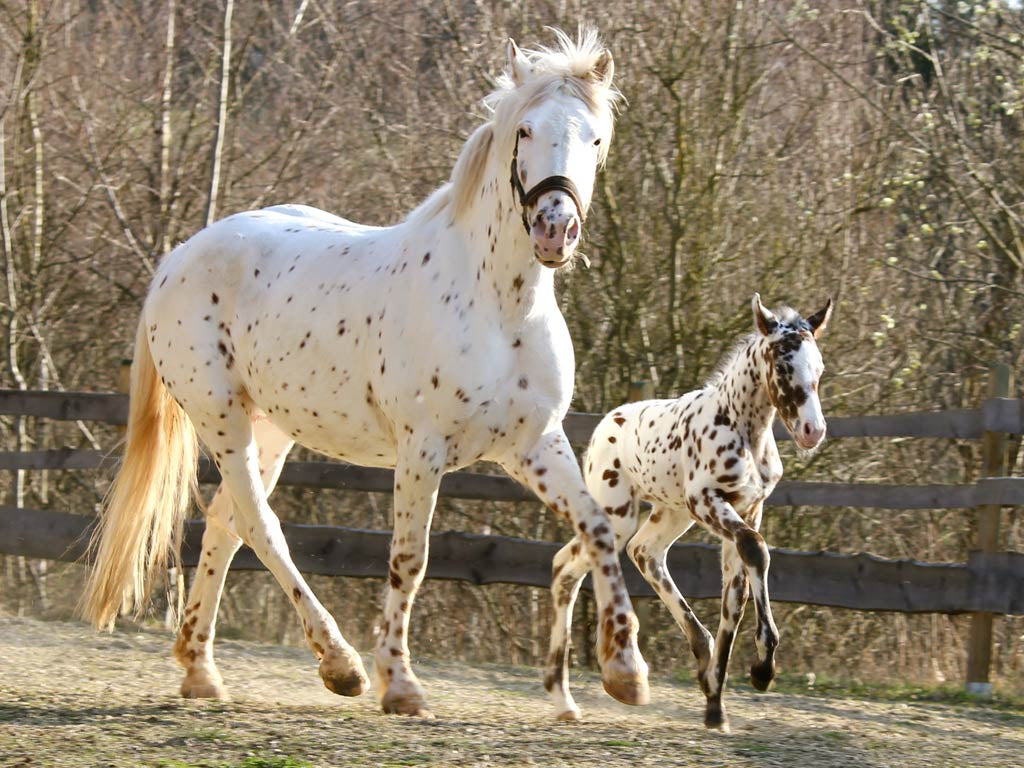
Appaloosa Horse Breed: The most important facts about origin, appearance, and character
The Appaloosa: Native American Horse with Spanish Roots Learn all about the fascinating world of Appaloosa horses! This horse breed stands out for its unique coat pattern, its intelligent and people-oriented character, and its versatile usability in various equestrian disciplines. Immerse yourself in the rich history and origin of Appaloosas, discover their characteristic external features, and learn what makes them such distinctive companions. This article provides comprehensive information, from keeping and feeding to breed-specific diseases and the endearing temperament of this extraordinary horse. Profile: Appaloosa Horse Origin USA Main Breeding Area USA Distribution Worldwide Bred since 1750 Life Expectancy 25 - 30 years Size 142 to 162 cm Weight 450 - 550 kg Color Predominantly spotted with typical coat patterns Type Warmblood Character Intelligent, willing to work, loyal, steady, calm Body Muscular, athletic build; Noble head; Short, strong back; Suitable for Leisure riding, Western riding Keeping and Care Sufficient exercise and movement; Easy-keeping feeding; History and Origin of the Appaloosa Development from Spanish Horses The Appaloosa developed from spotted Spanish horses that arrived in Mexico around 1500 with settlers from Spain and then moved on to America. These horses were characterized by their unique coat patterns and colors and formed the basis for the later development of this fascinating breed. Influence of the Nez Percé Indians The Nez Percé Indians played a decisive role in the development and refinement of the Appaloosa breed. They bred strong and colorful horses to be less easily detected in their environment and to have powerful riding and hunting horses. Thanks to their careful breeding methods, Appaloosa horses became the versatile and robust animals we know today. The Nez Percé's breeding strategies included strict selection to preserve the best traits, which resulted in these horses excelling not only aesthetically but also functionally. Early Breeding and Near Extinction In the late 19th century, the Appaloosa breed almost disappeared, as many of the horses were killed in the war between Native Americans and European settlers. This led to a drastic decline in the population to the brink of extinction. Especially in 1877, when the Nez Percé Indians had to flee to the Canadian border, the Appaloosa population significantly decreased. Only a small population survived these turbulent years, questioning the future of this unique horse breed. Revival and Current Popularity At the beginning of the 20th century, interest in saving and maintaining the Appaloosa breed was rekindled. Thanks to these efforts, the population of this horse breed could be significantly increased, and today it is one of the largest horse breeds worldwide. Through targeted breeding programs and the dedication of enthusiasts, the number of Appaloosa horses grew to several hundred thousand. Today, they are known and appreciated not only in North America but also worldwide. In Germany, the Appaloosa Horse Club Germany has significantly contributed to the care and promotion of this fascinating breed since 1994. Exterior of Appaloosa Horses Compact, Muscular Body The Appaloosa is characterized by a compact, square, and muscular build. With a well-muscled back, a sloping, strong shoulder, and a muscular, sloping croup, it is excellently suited for fast and agile movements. You will notice that this build gives the Appaloosa great agility and speed over short distances. Distinctive Head Shape and "Human Eye" The Appaloosa's head has a straight to slightly convex nasal line and often impresses with large, expressive eyes. One of the most striking features is the so-called "human eye", where the pupils are surrounded by white. This special head shape contributes to the Appaloosa's unmistakable appearance. The "human eye" is not only a visual highlight but also a central criterion for its registration. This feature gives it a unique and almost human-like gaze, which further emphasizes its expressiveness and strength of character. Spotted Skin and Striped Hooves Another typical characteristic of the Appaloosa breed is its spotted skin, also known as "mottled skin". This is particularly visible in hairless areas such as around the mouth and often leads to striped hooves. The spotted skin differs significantly in its pattern from the coat pattern and is a central distinguishing feature of the breed. This uniqueness extends to the hooves, which, with their striped coloring, draw particular attention to the characteristics of the Appaloosa. This feature is not only aesthetically interesting but also identity-forming for this diverse breed. Variety of Coat Colors and Patterns The Appaloosa captivates with an impressive variety of coat colors and patterns. There are 14 recognized basic coat colors and six different patterns that make the Appaloosa unique. From "Blanket" to "Spots" to "Roan" – the different patterns give each Appaloosa an individual look. This variety is also reflected in the variance of colors, from solid to complex pattern mixtures. This versatility makes the Appaloosa a real eye-catcher and gives it an unmistakable visual identity that is unparalleled in the horse world. Appaloosa Horses: Typical Coat Patterns and Colors Blanket Pattern The Blanket pattern is one of the most famous coat patterns of the Appaloosa. In this pattern, the horse has a large white blanket over its rump, clearly separated from the base color. This white area can also have additional dark spots, making the pattern even more attractive. Spots Pattern In the Spots pattern, the Appaloosa's spots are distributed over the entire coat. These spots can be either white or dark and vary in size and shape. This pattern gives the Appaloosa its distinctive appearance and thus makes it a real eye-catcher. The flexibility of the spot size and distribution means that no two Appaloosas are alike. This makes the breed particularly individual and fascinating. Roan Pattern The Roan pattern is characterized by the uniform mixing of white and colored hairs over the horse's coat. This pattern can occur both in combination with other patterns and alone. This mixture of hairs makes the Appaloosa's coat appear particularly vibrant. Particularly interesting about the Roan pattern is that it can become more intense over the years, which changes the horse's appearance over time. Roan Blanket Pattern The Roan Blanket pattern combines the characteristics of the Blanket and Roan patterns. It creates a white blanket over the rump, which is fleabitten and not pure white. This special combination gives the Appaloosa a unique look that combines both classic and modern appearances. In addition, spots can also appear in this pattern, which gives the horse even more individuality. Solid Color An Appaloosa can also be solid-colored, which is referred to as a Solid pattern. Such a horse shows no other patterns on its coat and corresponds to one of the 14 recognized basic colors. Even if a Solid Appaloosa does not show any striking spots or patterns, it remains an unmistakable representative of its breed due to other characteristic features such as the human eye or spotted skin. Other Patterns and Variations In addition to the known patterns, other coat variations can also occur in the Appaloosa. These can represent mixed characteristics of the patterns mentioned above or completely unique combinations. These additional patterns and variations underscore the enormous diversity of the Appaloosa breed and contribute to the uniqueness of each horse. No matter what pattern an Appaloosa carries, you will always have a horse with an unforgettable appearance and a great character in front of you. Registration Requirements for the Appaloosa Horse Breed Coat Pattern One of the main criteria for registering an Appaloosa is a visible pattern in the coat. This pattern can appear in various forms, such as Blanket, Spots, or Roan. It is important that the coat pattern is clearly recognizable, as it represents a central feature of this breed. Spotted Skin Another important feature that an Appaloosa must have is mottled skin. This spotted skin is visible where no hair grows, for example around the mouth or eyes. The mottled skin of the Appaloosa is an unmistakable feature of this breed. It often leads to striped hooves and unique markings. These skin features are not only aesthetically pleasing but also a central criterion for registration as an Appaloosa. If this feature is missing, it will be classified as "not characteristic". Further Characteristic Features In addition to the mentioned requirements, the Appaloosa must also exhibit another breed-typical characteristic. A common example is the so-called human eye, where the white around the pupil is visible. Other breed-typical characteristics can also include special movement patterns or temperament traits. These additional characteristics emphasize the versatility and exceptional abilities of the Appaloosa. Such features are not only a sign of good breeding but also make the Appaloosa a particularly valuable partner in equestrian sports and leisure. Personality and Temperament of the Appaloosa Intelligence and Willingness to Learn The Appaloosa impresses with its intelligence and great willingness to learn. It is attentive, persistent, and able to quickly learn new things. These qualities make it a versatile partner for various disciplines. The Appaloosa wants to be challenged both physically and mentally, making it an ideal horse for ambitious riders. Loyalty and People-Oriented Nature Another outstanding characteristic of the Appaloosa is its pronounced loyalty and people-oriented nature. This horse breed strives for a deep relationship with its owner and always tries to please. They are naturally very friendly and have a balanced temperament. The Appaloosa seeks closeness to humans and often develops a very close and trusting relationship. This close bond not only fosters trust but also the willingness to overcome shared challenges. As an Appaloosa owner, you can look forward to a deep, mutual bond characterized by trust and respect. This makes the Appaloosa a wonderful partner for anyone seeking a true connection with their horse. Courage and Steadiness The Appaloosa is known for its courage and steadiness. These horses remain calm and balanced even in unusual and stressful situations, making them reliable partners in all walks of life. Their composure allows them to keep a cool head and react quickly to new situations. The Appaloosa's courage is particularly evident in Western riding, where it is often used in challenging and unpredictable scenarios. Its steadiness and calmness make it an ideal horse for sporting disciplines where a calm and thoughtful demeanor is required. This means you can always rely on your Appaloosa, no matter what situation you are in. Suitability for Children and Beginners Due to its friendly and balanced nature, the Appaloosa is also well suited for children and beginners. It is patient, forgives mistakes, and has soft, flat, and therefore easy-to-sit gaits. These qualities make it an ideal beginner's horse. The Appaloosa shows exceptional patience towards less experienced riders and often reacts gently and understandingly to their uncertainties. For children, its calm nature provides a safe environment in which they can gain their first experience with horses. As a beginner, you will find a patient and reliable companion in an Appaloosa who will guide you step by step through the world of riding. The Appaloosa: Health and Longevity Average Life Expectancy An Appaloosa can live on average between 25 and 30 years. This impressive life expectancy is a sign of the breed's robustness. With proper care, nutrition, and husbandry, you can enjoy many years with your loyal companion. Common Health Problems As with all horse breeds, there are also some breed-specific diseases in the Appaloosa for which there is a genetic predisposition. These include Polysaccharide Storage Myopathy (PSSM), Hyperkalemic Periodic Paralysis (HYPP), and Hereditary Equine Regional Dermal Asthenia (HERDA). These diseases can significantly impair your Appaloosa's quality of life, which is why good preventive care and regular veterinary check-ups are essential. Polysaccharide Storage Myopathy (PSSM) PSSM is a genetic muscle disease in which sugar molecules cannot be properly metabolized. This leads to the storage of glycogen in muscle cells, which causes their death. Symptoms of PSSM can include muscle tension and cramps, reluctance to move, and stiffness. Although PSSM is not curable, an adapted feeding and management of the disease can significantly improve the Appaloosa's quality of life. Hyperkalemic Periodic Paralysis (HYPP) HYPP is a hereditary metabolic disorder that can lead to muscle cramps and paralysis. This disease is particularly insidious because symptoms can appear suddenly and unexpectedly. To manage HYPP, it is important to implement a feeding management that monitors and limits potassium levels. In addition, affected horses should be regularly monitored for symptoms to quickly react to possible attacks. Hereditary Equine Regional Dermal Asthenia (HERDA) HERDA is a genetic skin disease caused by abnormal collagen. This causes the skin to detach and poorly healing wounds to form. Horses suffering from HERDA require particularly attentive care. Injuries should be avoided, and the affected skin must be thoroughly monitored and cared for to prevent infections. Sunburn Prevention Due to its often light skin, the Appaloosa is sensitive to sun exposure. Especially around the mouth and nostrils, sunburn can quickly occur. To prevent sunburn, you should keep your Appaloosa in the shade during strong sun exposure or apply a special sunscreen. Pay particular attention to the pink skin areas, as these are particularly susceptible. Care and Husbandry: Recommendations for Appaloosas Housing and Socialization Needs An Appaloosa is very uncomplicated to keep and needs sufficient space to move. You can keep it either in an open stable with a shelter or in a box with daily several hours of turnout in a paddock or pasture. Since Appaloosas are very social animals, they should never be kept alone. They thrive best in contact with other horses and need companionship to feel comfortable. Nutrition and Feeding Requirements Appaloosas are generally easy keepers and therefore only require an adequate amount of roughage, such as high-quality hay or haylage. Concentrates should only be fed as needed and according to the horse's energy requirements. It is important to adjust the feeding individually so that your Appaloosa remains in the best health. Since Appaloosas are often good feed converters, high-quality hay and a good mineral feed are often enough to provide them with all the necessary nutrients. Individual feed advice or your veterinarian can be helpful if you are unsure about feeding. The Importance of Regular Exercise An Appaloosa is used to being active all day long, which is why sufficient exercise is essential. Exercise is not only important for the physical health, but also for the mental well-being of your horse. Regular exercise prevents boredom and reduces the risk of health problems. Exercise allows the Appaloosa to maintain its natural agility, strength, and endurance while also providing mental stimulation. Through regular exercise, you not only strengthen your horse's muscles, but also foster a close bond between you and your animal partner. A dedicated exercise program helps your Appaloosa stay healthy and happy. Special Abilities and Disciplines of the Appaloosa "Indian Shuffle" Gait The Appaloosa impresses not only with the three basic gaits walk, trot, and canter, but also with a unique gait, the so-called "Indian Shuffle". This gait is a four-beat ambling gait that is very soft, flat, and therefore particularly comfortable to sit. The "Indian Shuffle" is ideal for covering long distances at a fast pace. This ability comes from the crossbreeding of gaited horse breeds during the Appaloosa's breeding history. Western Riding Disciplines Thanks to its combination of strength, agility, speed, and intelligence, the Appaloosa is ideally suited for various Western riding disciplines. Whether reining, cutting, Western pleasure, or trail – the Appaloosa can excel in various areas of Western riding. Particularly striking is its talent in "Cow Sense", which makes it an ideal partner in working with cattle. Reining tests your horse's control and precision, while cutting puts its ability to move quickly and precisely to the test. In Western Pleasure, the Appaloosa is judged on a calm, relaxed, and pleasant riding gait. In trail, on the other hand, its skill and adaptability to various obstacles are checked. Regardless of the discipline, the Appaloosa always shows its excellent abilities and its distinctive character. Cow Sense and Cattle Work One of the Appaloosa's most outstanding talents is its so-called "Cow Sense". This unique talent allows it to perfectly synchronize its movements with those of a cow. "Cow Sense" is partly inherited, but must also be specifically trained to utilize the horse's full potential. With its Cow Sense, the Appaloosa is unbeatable, especially in cattle work. This includes disciplines such as team penning, team sorting, and ranch roping. In these areas, it demonstrates its exceptional skills in handling cattle, its speed, and its precision. The Appaloosa is thus not only a reliable partner, but also an impressive helper in practical work on the ranch. Conclusion The Appaloosa is a unique horse breed characterized by its remarkable history, striking appearance, and versatile character. Originally bred by the Nez Percé Indians and known for their iconic coat patterns, these horses are not only visually impressive but also intelligent, people-oriented, and easy to handle. With the right care and attention, an Appaloosa can be a loyal companion for leisure or Western riding, offering children and beginners alike a safe and fulfilling riding experience. Questions on the topic: Appaloosa horse breed 1. Are Appaloosas good for beginners? Appaloosa horses are suitable for beginners as they are considered calm and friendly. They have a balanced temperament and are often easy to handle. In addition, they are versatile, which makes them good all-rounders. 2. How much does an Appaloosa cost? The prices for Appaloosa horses vary depending on age, bloodline, and training. On average, the costs range between 3,000 and 10,000 euros. However, particularly well-trained or award-winning animals can be significantly more expensive. 3. Are Appaloosas fast horses? Appaloosas are known for their endurance and versatility, but they can also be fast. Their speed, however, varies depending on individual characteristics and training. Compared to specialized racehorse breeds, they are rather average in speed. 4. What does the name "Appaloosa" mean in English? The name "Appaloosa" has no direct translation into English. It comes from the Palouse Indians, who bred this horse breed in the region of the Palouse River in the northwestern USA. The term is therefore more geographically and culturally determined. 5. Which horse is best for beginners? For beginners, horses with a calm, balanced temperament, such as Haflingers, Quarter Horses, or Welsh Ponies, are suitable. These breeds are known for their good-naturedness and reliability. A well-trained and experienced horse is also important for getting started. 6. Are Appaloosas susceptible to diseases? Appaloosa horses are generally robust but can have a genetic predisposition to certain eye diseases such as moon blindness. Regular veterinary check-ups and good care are important to detect and treat health problems early. 7. Can Appaloosas also be ridden in the English style? Yes, Appaloosa horses can be ridden in both Western and English riding styles. They are versatile and suitable for various disciplines such as dressage, show jumping, and leisure riding. 8. Which horse is the most expensive in the world? The most expensive horse in the world so far was the English Thoroughbred "Fusaichi Pegasus", which was sold for around 70 million US dollars. However, the prices for such horses vary greatly depending on bloodline, racing successes, and breeding potential. 9. Can you jump with an Appaloosa? Yes, Appaloosa horses are certainly capable of jumping and can be used in show jumping. Their versatility and athletic abilities make them good partners in this discipline. 10. Is an Appaloosa a warmblood horse? Appaloosas are not classically warmblood horses, although they often have similar characteristics. They are a distinct breed that stands out for its versatility and endurance. 11. Which horse breed is particularly people-oriented? Arabian Thoroughbreds are known for their people-oriented and affectionate nature. They often develop a close bond with their owners and are very social. Pony breeds such as Shetland ponies can also be very people-oriented. 12. Where can you find Appaloosa horses? Appaloosa horses are bred worldwide, especially in the USA, where they originated. There are also numerous breeders and owners in Europe who appreciate and care for this breed. 13. What are Appaloosas suitable for? Appaloosa horses are versatile and suitable for various equestrian disciplines such as Western riding, dressage, show jumping, and leisure riding. Their robustness and endurance also make them good partners for long rides and trail riding. 14. What coat colors do Appaloosas have? Appaloosa horses are characterized by their distinctive coat patterns, ranging from speckled to leopard-like coats. The base colors can vary, but they are often spotted or dappled. 15. What is the difference between an Appaloosa and a Knabstrupper? The main difference between Appaloosa and Knabstrupper lies in their origin and breeding history. Appaloosas originally come from the USA, while Knabstruppers come from Denmark. Both breeds have similar speckled coat patterns, but differ in body type and character traits. Sources: Commons: Appaloosa Wikipedia: Appaloosa News on the topic: Appaloosa Appaloosa Horse Club Germany Appaloosa Horse Club (English) Breed Characteristics (English) Video: Appaloosa in breed portrait Other horse breeds: Holsteiner Horse Icelandic Horse Palomino Horse Overview page Horse Breeds Editorial Guidelines of Horse Vitality Company At Horse Vitality Company, we create every contribution according to strict quality standards and rely on reputable sources as well as scientific research. Our editors are proven experts in the field of horse health and provide you with well-founded, trustworthy information. Expertise and Quality Assurance Qualified Authors: Our editors have extensive specialist knowledge in horse health and animal care. Double Check: Every article is additionally reviewed by a second expert to ensure accuracy and relevance. Sources and Transparency Reputable Sources: We only use trustworthy sources and scientific studies to substantiate the content. Disclosure: We disclose potential conflicts of interest and ensure transparency. Reader-friendliness and topicality Reader-friendly preparation: Our content is continuously optimized to make it as understandable and accessible as possible. Topicality: We regularly review our articles and update them if necessary to ensure that they are always up-to-date. Interaction and Feedback Reader orientation: Our goal is to offer you an initial orientation. For individual health or care questions, we recommend consulting a veterinarian or animal naturopath. Feedback option: We invite our readers to provide feedback and ask questions. Your suggestions help us to continuously improve our content and adapt it to your needs. These guidelines ensure that the content of Horse Vitality Company always meets the highest standards of expertise, authority, and trustworthiness.
Learn more
Tinker Horses: All About Origin, Appearance, and Character
The Tinker: Gentle Powerhouse The Tinker, also known as the Gypsy Horse or Gypsy Vanner, stands out worldwide with its spotted coat and gentle character. This horse breed impresses not only in sports and leisure activities but also with its robust nature. As you will learn in this blog post, the Tinker is a loyal companion with a fascinating history and versatile uses. Dive into the world of Tinkers and discover everything you need to know about the origin, appearance, and character of this fascinating horse breed. Profile: Tinker Origin Ireland and Great Britain Main Breeding Area Germany Distribution Throughout Europe Bred since around 1900 Life Expectancy 25 - 30 years Size 130 to 160 cm Weight 450 - 800 kg Color Predominantly Piebald/Skewbald Type Warmblood Character Balanced, people-oriented, intelligent, willing to work, friendly Body Striking long mane and tail and feathering on the legs, robust build, strong head, powerful neck, characteristic beard Suitable for Leisure, Therapy riding, Driving sports Keeping and Care Plenty of exercise and movement, appropriate feeding to prevent diseases such as mud fever, laminitis, etc. Origin of the Tinker History and Development The Tinker, also known as the Gypsy Horse or Gypsy Vanner, originally comes from the travelling communities of Great Britain and Ireland. These robust and enduring horses were bred to meet the demands of the Romani and Irish Travellers. Various breeds such as the Shire Horse, the Clydesdale, and the Welsh Cob were combined in breeding to achieve the desired characteristics. Breeding Association and Registration It wasn't until the 1990s that the first official breeding association for Tinkers, the Irish Cob Society (ICS), was founded. This organization advocated for the recognition and standardization of the breed. The founding of the ICS was a significant step for the official recognition of Tinkers as an independent breed. By registering with the ICS, you can ensure that your Tinker meets the breed standards and has a documented lineage. This registration is important not only for the studbook but also for monitoring the health status and genetic diversity of the horses. The ICS also provides support and resources for owners and breeders to promote the welfare and preservation of the breed. Appearance of the Tinker Build and Coat The Tinker has a strong and compact build with a broad chest and powerful legs. One of its most striking features is the characteristic spotted coat, which usually comes in piebald or skewbald patterns. Greys, blacks, and browns are also possible. The long mane and tail and abundant feathering give the Tinker its unmistakable appearance. Size and Weight Tinkers come in almost all sizes, from smaller ponies to larger horses. On average, a Tinker reaches a height at the withers of about 135 to 160 cm and a weight between 450 and 700 kg. However, since there is great variability within the breed, you will find both smaller, more delicate specimens and larger, stronger Tinkers. This versatility makes them a popular choice for many different riders and drivers. Special Features In addition to the characteristic coat pattern, the Tinker is known for its large, dark or blue eyes and a slight Roman nose. In winter, the Tinker can even develop a beard, which is hardly visible in summer. These unique features not only give the Tinker a striking appearance but also make it an interesting and lovable breed for horse enthusiasts. Its abundant feathering and powerful long mane and tail are equally remarkable and make it a real eye-catcher. Character of the Tinker Friendliness and Loyalty Tinkers are known for their friendly nature and pronounced loyalty. These horses are very people-oriented and are interested in a close bond with their owners. Their gentle nature makes them particularly popular with families and beginners. Intelligence and Willingness to Work Another remarkable characteristic of the Tinker is its intelligence and high willingness to work. These horses learn quickly and are always motivated to master new tasks. They are excellent for various disciplines because they have a quick grasp. Tinkers are not only intelligent but also very willing to work, which makes them excellent all-rounders. They show a high readiness to learn and are easy to train, making them ideal for use as leisure or therapy horses. Your Tinker horses will shine with their curiosity and motivation when they tackle new challenges. Patience and Balance The patience and balanced temperament of Tinkers are further striking characteristics of this breed. These horses always keep a cool head and are not easily rattled. These abilities make them particularly suitable for handling children and inexperienced riders. Thanks to their patience and balance, Tinkers are ideal for stressful or unpredictable situations where other horses might react nervously. They offer you a reliable and calming presence, which allows you to remain calm even in challenging times. These qualities make them a stable choice for many different equestrian sports and leisure activities. Keeping and Care of the Tinker Keeping in an Open Stable Due to its robust and resilient character, the Tinker is ideally suited for keeping in an open stable. Its long and dense coat protects it from various weather conditions, which is why it should be kept in well-ventilated but wind and moisture-protected areas. Dry, mud-free ground is important to prevent diseases such as mud fever. The Tinker should also have regular contact with other horses, as it is a very sociable animal. Feeding and Nutrition A Tinker is considered easy to keep and tends to gain weight quickly. The basis of its diet should consist of sufficient good quality roughage. Concentrates should only be fed if necessary to avoid obesity and associated diseases. A good mineral feed helps to meet the horse's energy requirements and provide it with all necessary vitamins and minerals. Since Tinkers are good feed converters, a combination of roughage and a mineral feed is often sufficient to keep them healthy. Always keep an eye on your Tinker's weight and adjust its feeding accordingly. Lack of exercise and excessive energy intake can quickly lead to health problems. Health and Diseases Despite their robustness, Tinkers are prone to certain breed-specific diseases. Laminitis, mud fever, and sweet itch are the most common health problems that can occur in these horses. Regular care and attention are required to detect and treat these diseases in time. Especially the feathering should be regularly checked and cared for. Laminitis, a painful inflammation of the hoof laminae, can be caused by a diet too rich in starch and sugar. Mud fever, a skin disease, often occurs in horses with heavy feathering and can be exacerbated by poor living conditions. Sweet itch is an allergic skin reaction triggered by the saliva of certain insects. These clinical pictures show how important careful care and monitoring of your Tinker's health status are. Gaits and Movements of the Tinker Walk, Trot, and Canter The Tinker has three natural gaits: walk, trot, and canter. These gaits are powerful and sweeping, making it a pleasant riding horse. The walk is even and calm, the trot energetic, and the canter gentle and rhythmic. Through these movements, the Tinker shows its impressive ability to move confidently both over long distances and on tighter routes. Peculiarities of the Gaits The Tinker is characterized by special movement patterns that distinguish it from other horse breeds. Particularly striking is its powerful and sweeping stride, which is evident in all three basic gaits. These characteristics make the Tinker not only an excellent leisure horse but also a popular partner in driving sports and therapy. Another special aspect of the Tinker's gaits is its natural carrying capacity, which is supported by its powerful build and strong legs. This allows it to move safely even on uneven terrain and to move securely even in difficult situations. At the same time, it is important to note that despite its robust appearance, the Tinker is not a weight carrier. Due to its often weakly muscled back, care should be taken with the load to avoid long-term damage. Disciplines and Uses of the Tinker Driving Sports and Leisure Riding The Tinker was originally bred for pulling heavy wagons and is therefore excellently suited for driving sports. Its friendly, patient, and balanced character also makes it the perfect partner for leisure riding. If you are looking for a reliable companion who enjoys roaming through forests and fields with you, the Tinker is an excellent choice. Therapy Horse and Other Uses Thanks to its positive characteristics, the Tinker is also often used as a therapy and companion horse. Its loyal, people-oriented, and intelligent nature makes it an ideal therapy partner, capable of building a close bond and responding sensitively to people's needs. The Tinker's suitability as a therapy horse is remarkable. It can be used in various therapeutic settings, be it in disability therapy or equine-assisted therapy. Its patience and balance are particularly advantageous when working with physically or emotionally impaired people. This also makes it a valuable companion in social projects and educational institutions. Price and Purchase of a Tinker Average Price The price for a Tinker can vary greatly. On average, you can expect to pay between 2000 and 7000 Euros. However, the exact price largely depends on various factors, which will be discussed in more detail below. Factors Influencing the Price When buying a Tinker, several important factors can influence the price: Age Training level Pedigree Health status Inform yourself well beforehand, as this is the only way to make a good purchasing decision. A younger horse is often more expensive than an older horse, especially if it is already well-trained. The training level is also crucial: a well-trained Tinker generally costs more. Pedigree plays an essential role, especially if the parents are well-known and successful breeding animals. The horse's health status is another important factor. A Tinker with health problems will probably be cheaper but can incur higher long-term costs. Conclusion The Tinker, known for its striking piebald/skewbald markings and gentle character, is a versatile partner for sport and leisure. Originally bred by the Romani and Irish Travellers, it brings robust and friendly qualities. Its powerful body, abundant mane, and gentle character make it unique. Tinkers are patient, intelligent, and particularly suitable for children and beginners. With proper keeping and care, you can find a loyal and lifelong companion in a Tinker. Questions about the Tinker Horse Breed 1. Is a Tinker difficult to ride? Tinkers are generally not difficult to ride and are often valued for their calm and placid temperament. They are known for their patience and serenity, which makes them particularly suitable for less experienced riders. Nevertheless, every horse can have individual differences, and it is important that the rider has the right training and experience. 2. Are Tinkers suitable for beginners? Yes, Tinkers are well-suited for beginners due to their balanced temperament and placidity. They are patient and forgive small mistakes, making them ideal schoolmasters. Their robustness and friendliness also contribute to them often being recommended for beginner riders. 3. Is a Tinker a horse or a pony? Tinkers can be classified as both a horse and a pony depending on their size. However, they usually exceed the size category of ponies and are mostly considered horses. Their powerful build and strong physique are remarkable regardless of the exact classification. 4. How much weight can a Tinker carry? Tinkers are very robust and powerful horses that can easily carry a weight of up to 90 kg or more. Their strong musculature and powerful legs enable them to support heavier riders. However, it is always important to pay attention to the individual condition and health of the horse. 5. What should one know about Tinkers? Tinkers are known for their impressive feathering, including abundant manes and tails, as well as thick fetlock hair. They are very social and friendly horses that get along well with people and other animals. Their robust nature and calm temperament make them versatile and reliable leisure horses. 6. How long can a Tinker live? With good care and health, a Tinker can live for an average of 25 to 30 years. Their longevity depends on factors such as diet, exercise, veterinary care, and general maintenance. Species-appropriate husbandry and regular exercise contribute significantly to their health and longevity. 7. Can a 90 kg person ride a Tinker? Yes, a Tinker can easily carry a rider weighing 90 kg. These horses are strong and have powerful muscles, which makes them ideal carriers for heavier riders. Nevertheless, the rider's weight should always be in proportion to the horse's size and condition. 8. Are Tinkers suitable for children? Tinkers are well-suited for children due to their friendly and patient nature. They are often calm and placid, which makes them ideal horses for young riders. Their gentle nature and robustness make them reliable partners when interacting with children. 9. Are Tinkers stubborn? Tinkers can sometimes be perceived as stubborn, which is often related to their intelligent and strong-willed nature. However, they are generally very willing to learn and respond well to consistent and patient training. With the right guidance and positive reinforcement, any stubbornness can be managed well. 10. Do Tinkers have a lot of impulsion? Tinkers usually have less impulsion compared to other sportier horse breeds, as they are naturally more powerful and calm. Their movement is often more relaxed and even, which makes them ideal for leisurely rides and recreational sports. Nevertheless, they can also perform well in suitable disciplines, such as dressage. 11. Are Tinkers robust? Yes, Tinkers are very robust and hardy horses. Their powerful build and resilience to adverse weather conditions make them particularly robust. They are known for their good health and their ability to thrive even under simple keeping conditions. 12. What saddle fits a Tinker? The best saddle for a Tinker is one that is adapted to the broad and powerful build of these horses. A well-fitting saddle with a wide gullet and sufficient padding is important to ensure comfort for the horse. It may also be advisable to consult a saddler to select the optimal saddle for the horse. 13. What horse breed is Pippi Longstocking's horse? Pippi Longstocking's horse is a grey named "Kleiner Onkel" (Little Uncle) in the German translations of Astrid Lindgren's books. In the original books and films, it is a white horse with black spots, often depicted as a Shetland pony. Little Uncle is known for his patient and calm nature. 14. Are Tinkers susceptible to diseases? Tinkers are generally robust and less susceptible to diseases than many other horse breeds. However, they do have a predisposition to certain skin problems such as mud fever, which can be exacerbated by their dense feathering and wet weather. Regular care and a good housing environment can help minimize such health problems. Sources: Commons: Tinker Wikipedia: Tinker News on the topic: Tinker Breed portrait Tinker of the FN (PDF) Website of the Irish breeding association ISC, owner of the Irish-Cob studbook Website of the Tinker Horse And Irish Cob Society Germany e.V. (THAICS) Website of the Austrian Breeding Association for Ponies, Small Horses and Special Breeds Website of the Special Color Switzerland Association Christiane Slawik and Heike Lauger: Tinker Ponys. Irlands coole Schecken. Ein Rasseportrait. Cadmos Verlag, ISBN 3-86127-352-7 Video: Tinker breed portrait Other horse breeds: Haflinger horse breed Oldenburger horse Westphalian horse breed Overview page horse breeds Editorial guidelines of the Horse Vitality Company At Horse Vitality Company, we create every post according to strict quality standards and rely on reputable sources and scientific research. Our editors are proven experts in equine health and offer you well-founded, trustworthy information. Expertise and quality assurance Qualified authors: Our editors have extensive expertise in equine health and animal care. Double-check: Every article is additionally reviewed by a second expert to ensure accuracy and relevance. Sources and transparency Reputable sources: We only use trustworthy sources and scientific studies to substantiate the content. Disclosure: We disclose potential conflicts of interest and ensure transparency. Reader-friendliness and topicality Reader-friendly presentation: Our content is continuously optimized to make it as understandable and accessible as possible. Timeliness: We regularly review and update our articles as needed to ensure they are always up to date. Interaction and feedback Reader orientation: Our goal is to provide you with initial guidance. For individual health or care questions, we recommend consulting a veterinarian or animal naturopath. Feedback option: We invite our readers to provide feedback and ask questions. Your suggestions help us to continuously improve our content and tailor it to your needs. These guidelines ensure that the content of the Horse Vitality Company always meets the highest standards of expertise, authority, and trustworthiness.
Learn more
Noriker Horse Breed in Focus
The Noriker: The Coldblood from the Mountains The Noriker is an impressive cold-blooded horse breed, known for its imposing size, strength, and versatility. In this blog post, you will learn all the essential information about the Noriker, from its history and appearance to its character and keeping. This horse breed is characterized by its calmness, serenity, and balance, making it an ideal partner for leisure activities. Learn how to optimally feed your Noriker and which disciplines are particularly suitable to leverage its strengths. Profile: German Riding Pony Origin Austria Main Breeding Area Austria, Germany Distribution Austria, Germany Bred Since 16th century Life Expectancy 20 - 25 years Height 155 to 165 cm Weight 650 - 800 kg Color All coat colors Type Coldblood Character Calm, serene, intelligent, willing to work, sociable Body Strong, muscular build; Expressive eyes, wide nostrils; Suitable for Leisure riding, driving sport, workhorse Keeping and Care Uncomplicated keeping; Lean feeding; Sufficient turnout and exercise; History and Origin of the Noriker The Ancient Roots of the Noriker The Noriker is one of the oldest horse breeds in Europe. Its origins lie in the former Roman province of Noricum, which is now part of the Alpine region of Austria. In early history, the Noriker was an indispensable workhorse, used in agriculture and for transporting goods. Its impressive strength and endurance also made it a popular warhorse. Breeding and Development The targeted breeding of the Noriker began with the founding of the Salzburg stud farm Rief in 1565. Here, dedicated breeders and precise regulations were introduced to refine the breed. The influence of Neapolitan, English, and Spanish stallions is still visible today and shapes the elegant appearance of these horses. Since 1903, the Noriker has been registered in a studbook and bred in pure breeding, which ensures the high quality and homogeneity of the breed. Initially, Noriker breeding was rather arbitrary and uncoordinated. However, this changed fundamentally with the founding of the Salzburg stud farm Rief and the opening of a studbook in 1565. Breeders began to cross in Italian, English, and Spanish stallions to refine the Noriker. This influence ensured that the Noriker became not only robust and strong but also more elegant. Since 1903, the breed has been managed in a studbook, ensuring pure breeding and high-quality standards. Physical Characteristics of Noriker Horses Build and Size The Noriker is characterized by a compact, massive, and muscular build. With an average height at the withers of 158 to 165 cm, it belongs to the larger cold-blooded horse breeds. Its strong back, powerful hindquarters, and relatively short and wide neck give the Noriker its imposing appearance. This combination makes it suitable for both pulling heavy loads and leisurely rides. Coat and Color The Noriker's coat is relatively dense and long, making it ideal for various weather conditions. This horse breed is also known for its great color variety. You will find almost all coat colors, including bays, blacks, and chestnuts. Grey horses, however, are very rare and particularly striking among Norikers. There are also unusual patterns such as leopard and splash white markings. Noriker coat colors range from bays and blacks to rare greys and striking patterns such as leopard and splash white markings. This variety makes them interesting not only for enthusiasts but also for shows and special occasions. The dense texture of the coat also provides additional protection against weather influences, ensuring your Noriker can cope even in harsher climates. Musculature and Bone Structure Norikers have strongly developed musculature and a robust bone structure, typical of cold-blooded horse breeds. Their strong legs and broad chest give them stability and strength, which are particularly advantageous for heavy work or pulling loads. These physical characteristics contribute to the versatility of the Noriker, allowing it to excel in demanding disciplines. The muscular and well-developed body structure of the Noriker enables it to pull heavy loads and perform demanding tasks. Its strong legs and broad chest ensure not only excellent stability but also high endurance. These physiological features make it a reliable working and leisure partner, excelling in both heavy agricultural work and relaxed rides. The Noriker: Temperament and Character Calm and Serene The Noriker is known for its calmness, serenity, and balance. It is not easily perturbed and keeps a cool head even in stressful situations. These qualities make it a confident partner you can rely on at all times. Intelligent and Willing to Work As a former workhorse, the Noriker brings an excellent work ethic. It is enduring, enjoys working, and is very eager to learn, making it a versatile partner. Due to its past as a draft and workhorse in agriculture, the Noriker has a strong need to work and to please. It is always attentive and shows a remarkable willingness to learn and master new tasks, making it suitable for diverse applications. Loyal and People-Oriented A Noriker strives to build a deep bond with its owner and the people around it. It always wants to please and is always loyal. The loyalty of the Noriker is evident in its consistently people-oriented behavior. Once trust is established, it becomes an unshakeable companion. This horse breed is known for working closely with its caregivers and maintaining a strong bond. Sociable and Harmonious The Noriker often shows pronounced social behavior towards other horses. It generally gets along well with other horses and can be a peaceful and harmonious stablemate. Thanks to its sociable nature, the Noriker can easily be kept with other horses. This characteristic promotes harmonious integration into mixed herds and contributes to the general calm and balance in the stable. Health and Longevity of Noriker Horses Average Life Expectancy A Noriker has an average life expectancy of 20 to 25 years. This impressive cold-blooded horse breed is known for its robustness, and with proper care and appropriate keeping, your Noriker can lead a long and healthy life. Common Health Problems Despite their robustness, Norikers are prone to certain breed-specific diseases. Common health problems include Equine Metabolic Syndrome (EMS), arthritis, Polysaccharide Storage Myopathy (PSSM), and mud fever. These conditions can significantly impair your horse's well-being and quality of life, which is why it is important to recognize symptoms early and act accordingly. Equine Metabolic Syndrome (EMS) affects metabolism and can lead to severe obesity, muscle wastage, and laminitis, among other things. Arthritis is a degenerative joint disease that causes pain and lameness. Polysaccharide Storage Myopathy (PSSM) is a genetic muscle disease that leads to muscle wastage and pain. Mud fever is a skin condition characterized by redness, swelling, and itching in the pasterns. Prevention and Care Proper care and prevention are crucial to ensure your Noriker's health. A balanced diet, regular exercise, and avoiding obesity can prevent many health problems. Make sure your horse gets enough forage in the form of hay or haylage, and that concentrates are fed sparingly. To prevent diseases like EMS and PSSM, it is important to monitor your Noriker's weight and ensure sufficient exercise. Regular vet visits and targeted mineral supplementation can help detect and treat health problems early. This way, you can ensure your Noriker lives a long and healthy life. Care and Keeping of the Noriker Accommodation and Environment A Noriker is a robust horse breed that copes well with extreme weather conditions. It does not need a stable with a blanket, but prefers a mud-free open stable with a sufficiently large shelter. A Noriker should never be kept alone; contact with conspecifics is essential for its social compatibility. The Noriker feels most comfortable in a group and can live out its pronounced social behavior. Nutrition and Feeding Although Norikers used to require a lot of energy as workhorses, this is often not the case today. Therefore, you should adjust needs and feeding amounts precisely. Your base should be forage such as high-quality hay or haylage and water. Concentrates and mineral feed should only be used if necessary, as Norikers quickly tend to become overweight, which in turn can lead to health problems such as Equine Metabolic Syndrome. Carefully balanced feeding prevents the development of breed-specific diseases and keeps your Noriker healthy. Exercise and Activity Daily exercise is essential for the Noriker's health. Sufficient activity helps prevent obesity and related health problems. The Noriker is excellently suited for relaxed rides or trail rides. Due to its calm and serene temperament, you can use it in various ways, whether in driving sports, light dressage lessons, or even in forestry. It is important to offer your Noriker varied and regular exercise to promote both its physical and mental health. Suitable Training and Disciplines for Norikers Gaits and Movement The Noriker possesses the three basic gaits: walk, trot, and canter. Despite its impressive size and mass, it is characterized by very sure-footed and powerful movements. It surprises with a harmonious and swinging gait, which makes it appear safe and elegant in all three gaits. Suitable Disciplines Due to its calm temperament and versatile applications, the Noriker is suitable for various disciplines. This powerful breed is still used particularly in forestry and driving sports. The Noriker is also an ideal partner in leisure activities, such as relaxed rides, trail rides, or light dressage lessons. Its robust and strong conformation, as well as its serene nature, make the Noriker a perfect horse for working in nature, such as pulling logs. Due to its imposing appearance, it is often used for shows and parades. If you are looking for a horse that is versatile and at the same time calm and confident, the Noriker is an excellent choice. Thanks to its serenity, it also proves itself in the role of a leisure horse, perfectly suited for family outings and outdoor activities. Training Tips and Advice When training a Noriker, you should pay attention to its natural strengths and character traits. Give it enough time to learn new tasks, and focus on calm and enduring exercises. Make sure you offer it a balanced mix of physical and mental stimulation. Train consistently and calmly Incorporate versatile exercises At least 2 hours of exercise daily Use positive reinforcement and praise If you gradually and regularly give your Noriker new challenges, you will have a loyal and willing partner by your side. You can find more information about training methods on our page. It is important to invest patience and time in the training phase, as the Noriker benefits from a continuous and gentle approach. Through calm and consistent training, you prevent overexertion and simultaneously foster trust and bonding between you and your horse. Positive reinforcement and regular praise are crucial in this regard. Proceed patiently and empathetically Avoid stress and overexertion Provide regular, positive feedback If you always keep an eye on your Noriker and consider its individual needs, you can find and implement the best training method for it. Conclusion The Noriker is an impressive horse breed from the Alpine region, characterized by its massive build, calm and serene nature, and versatility. With a rich history as a draft and working horse, the Noriker today demonstrates its strength in both forestry and leisure. If you are looking for a robust, people-oriented, and willing horse breed, the Noriker could be the ideal partner for you. Pay attention to species-appropriate housing and feeding to unleash its full potential. Questions about the Noriker: 1. Are Noriker suitable for beginner riders? Noriker are well-suited for beginner riders because they have a calm and good-natured temperament. Their patience and reliability make them ideal partners for inexperienced riders. Due to their robustness, they are also easy to care for and versatile. 2. Are Noriker good as riding horses? Noriker are good as riding horses, especially for pleasure riding and therapeutic riding. They offer a comfortable, safe ride and have a friendly and cooperative nature. However, due to their stature, they are less suitable for competitive disciplines such as dressage and show jumping. 3. What weight can a rider have on a Noriker? A Noriker can easily carry riders weighing up to 120 kg. These horses are powerfully built and have strong muscles that allow them to safely carry even heavier riders. It is important not to overload the horse to protect its health. 4. Is the Noriker a cold-blooded horse? Yes, the Noriker belongs to the cold-blooded horses. This breed is characterized by its robust stature, strength, and calmness. Coldbloods have traditionally been bred for heavy work and draft tasks. 5. Are Noriker capable of galloping? Noriker can gallop, although due to their massive build, they are not as fast and agile as light riding horses. Their gallop is calm and even, making them pleasant partners for relaxed rides. They are not suitable for high-speed races, but rather for comfortable riding. 6. Which horse breed is best for beginners? For beginners, horses like Haflingers, Quarter Horses, or Icelandics are best suited. These breeds are known for their calm temperament, good nature, and reliability. A well-trained horse with a friendly disposition greatly facilitates getting started with riding. 7. Are Noriker late developers? Noriker are considered late developers and often only reach their full physical maturity at five to six years of age. This slow development ensures robust health and a long lifespan. It is important to consider this when training and exercising the horses. 8. When should a Noriker be broken in? Noriker should ideally be broken in at around three to four years of age. At this point, they are physically and mentally ready to begin training. Too early a load can lead to health problems, so patience is crucial. 9. Can you jump with a Noriker? Although Noriker were mainly bred as draft and working horses, they can also perform light jumps. They are not suitable for high or technical jumps, but they can easily overcome smaller obstacles. Their calm temperament makes them reliable partners in this area as well. 10. Is an Icelandic horse able to carry 70 kg? Yes, Icelandic horses can easily carry riders weighing 70 kg. These robust, small horses are known for their strength and endurance. They are surprisingly powerful for their size and can safely carry even heavier riders. 11. Are Noriker susceptible to diseases? Noriker are generally robust and resilient horses that are not particularly susceptible to diseases. However, as with all horses, good care and regular veterinary attention are important to maintain their health. They are less prone to typical horse diseases than some other breeds. 12. How fast can a Noriker run? Noriker are not known for their speed, but they can reach a moderate speed at trot and canter. Their main advantage lies in their endurance and strength, not in their speed. However, they are ideal for long, leisurely rides. 13. What feed is suitable for Noriker? Noriker require a balanced diet consisting of hay, grass, and a small amount of concentrated feed. They should have access to fresh water and minerals to support their health. Due to their robustness and work capacity, they do not require special feeds. 14. Which horse breed is the largest in the world? The largest horse breed in the world is the Shire Horse, which can reach a shoulder height of over 1.80 meters. These impressive horses are known for their size, strength, and calmness and were traditionally used for heavy agricultural work. 15. How much can a Noriker pull? Noriker are strong draft horses and can easily pull loads of several tons. Their strength and endurance make them ideal for agricultural work and pulling heavy carts. The exact pulling power depends on the individual condition and training of the horse. Sources: Commons: Noriker Horses Wikipedia: Noriker News on the topic: Noriker Breed description and photos of the Noriker Working Group of Noriker Breeders Austria Noriker at the Vienna Zoo Noriker Portrait on kaltblut-pferd.com Thomas Druml & Gertrud Grilz-Seger: The Noriker Horse, Volume II. Vehling, Graz 2012, ISBN 978-3-85333-222-1. Video: Noriker in breed portrait Other horse breeds: Holsteiner Horse Haflinger Horse Palomino Horse Overview page horse breeds Editorial Guidelines of the Horse Vitality Company At Horse Vitality Company, we create every article according to strict quality standards and rely on reputable sources and scientific research. Our editors are proven experts in the field of equine health and provide you with well-founded, trustworthy information. Expertise and Quality Assurance Qualified Authors: Our editors have extensive expertise in equine health and animal care. Double Check: Every article is additionally reviewed by a second expert to ensure accuracy and relevance. Sources and Transparency Reputable Sources: We only use trustworthy sources and scientific studies to underpin the content. Disclosure: We disclose potential conflicts of interest and ensure transparency. Reader-Friendliness and Actuality Reader-Friendly Preparation: Our content is continuously optimized to make it as understandable and accessible as possible. Actuality: We regularly review our articles and update them as needed to ensure they are always up-to-date. Interaction and Feedback Reader Orientation: Our goal is to provide you with initial guidance. For individual health or care questions, we recommend consulting a veterinarian or animal naturopath. Feedback Option: We invite our readers to provide feedback and ask questions. Your suggestions help us continuously improve our content and tailor it to your needs. These guidelines ensure that the content of the Horse Vitality Company always meets the highest standards of expertise, authority, and trustworthiness.
Learn more
Württemberger Horses: Everything About the Breed's Origin, Appearance, and Character
The Württemberger: Traditional Horse Breed from Southern Germany Welcome to a journey of discovery about the fascinating Württemberger horses! This versatile and elegant horse breed originates from the historic federal state of Baden-Württemberg and impresses in both equestrian sports and leisure. Here you will learn everything about their impressive origin, elegant appearance, and balanced character of these wonderful animals. Immerse yourself in the world of the Württemberger and discover why they have a dedicated fan base and what special qualities make them so unique. Profile: Württemberger Horse Origin Germany Main breeding area Baden-Württemberg Distribution Throughout Europe Bred since 1895 Life expectancy 25 - 30 years Height 165 to 175 cm Weight 550 - 600 kg Color All basic colors, most commonly black, bay, and chestnut Type Warmblood Character Good-natured, balanced, willing to perform Body Large, elegant, harmonious, modern Suitable for Dressage, show jumping, leisure and driving horse Care and Keeping The Württemberger has no special requirements for care and keeping Origin of the Baden-Württemberger Origin and History of the Breed The origin of the Baden-Württemberger can be directly deduced from the name of the horse breed. Its breeding has a very long tradition and was bred from the beginning in Germany in the federal state of Baden-Württemberg. A significant place for breeding was the Marbach State Stud, which was founded as early as 1460 by Count Eberhard V. Originally, the horses were bred as heavy working horses, although there was no uniform breeding line at that time. Development of the Breeding Line A studbook and thus a uniform breeding line only came into existence in 1895. From this point on, the mares of the stud were crossed with Arabian stallions to improve their riding abilities. Other cold-blooded breeds such as Suffolk and Clydesdales were also crossbred, but only briefly, to avoid too strong a build. After World War II, fewer working horses were needed, which led to the decision to further refine the Baden-Württemberger and strengthen its athletic characteristics. This led to the introduction of the stallion Julmond into breeding. The old, rather sturdy breeding line, also called Altwürttemberger, is continued as an independent breed, but is now endangered. Description of the Appearance of Württemberger Horses Build and Proportions The physique of the Baden-Württemberger horse is a harmonious interplay of power and elegance, making it a modern sport horse. With a height of 165 to 175 cm, you often see stallions at the upper end of this scale. The head is dry and expressive with large eyes, complemented by a slightly arched, long neck. The back is strong and offers your saddle a stable seat, while the limbs are slender and well-muscled, guaranteeing high jumping power and a secure gait. Coat Colors and Characteristics The Baden-Württembergers show a variety of coat colors, with all basic colors being permitted. Most commonly, you will encounter bays, dark bays, and blacks. Greys and chestnuts are less common. The coat of the Baden-Württembergers is not only diverse in coloration but also a reflection of their special breeding history. The striking bays and dark bays are a frequent sight, while greys and chestnuts are a rarer but fascinating exception. This variety in coat colors makes Württemberger horses not only eye-catching in the stable but also in competitions. The powerful bodies and elegant lines of these horses emphasize their athletic appearance, making them a favored riding and driving horse. The Württemberger: Description of its Character Willingness to Work and Temperament The Baden-Württemberger is characterized by its high willingness to work and a balanced temperament. These horses are easy to motivate and follow their rider's instructions with remarkable precision. This makes them excellent partners in competitive sports, especially in dressage and show jumping. Their elegant appearance combined with their strength and stamina makes them coveted sport horses. Dealing with People and Riders In dealing with people and riders, Baden-Württembergers are good-natured and open. They are sensitive creatures that require safe and gentle handling. A patient and respectful rider will gain the trust of these horses and be able to fully exploit their athletic abilities. The sensitive nature of the Baden-Württemberger means that rough riding errors are not well tolerated. Horses of this breed react to uncertainties and rough handling with nervousness and shyness. Therefore, they are less suitable for beginners. With a patient and experienced rider, however, these horses unfold their true class and are reliable and successful in numerous equestrian disciplines. Special Characteristics of the Baden-Württemberger Rideability and Athletic Abilities A prominent feature of the Baden-Württemberger is its excellent rideability. These horses show a special harmony and balance under saddle, which makes them ideal partners for dressage and show jumping. Thanks to their high jumping ability and their light-footedness, they excel in these disciplines and often achieve remarkable success. Suitability as a Leisure and Driving Horse The versatility of the Baden-Württemberger makes it not only an ideal sport horse, but also a reliable leisure and driving horse. With their strong and elegant appearance as well as their calm and good-natured nature, they are perfect companions for experienced riders on leisurely rides and can also excel in harness. Even though the sensitive nature of the Baden-Württemberger means that they must be guided precisely and benevolently, this characteristic is particularly positive in their willingness to learn and their trust in their owners. If you treat these noble animals with patience and respect, you will gain a partner who stands faithfully by your side and also cuts a good figure as a driving horse at events. Make sure you guide Württemberger horses with a gentle hand to strengthen their trust and avoid nervousness. Famous Horses among the Baden-Württemberger Successful Horses in Sport Among the Baden-Württembergers, there are numerous horses that have achieved great success in sport. Particularly noteworthy are the mare Girasol, who won the Grand Prix freestyle with her rider Nadine Capellman in 2013, and the stallion Ulysse des Prés, who is one of the most successful show jumpers worldwide. Such sporting successes demonstrate the high performance and versatility of the Württemberger breed in equestrian sport. Famous Horses in Breeding The Baden-Württemberger also have some famous representatives in breeding. An outstanding example is the stallion Ulysse des Prés, who is considered almost decisive as a breeding stallion. His offspring are highly sought after and known for their athletic performance. Ulysse des Prés has had a significant influence on the breeding of the Baden-Württemberger through his sporting successes and his outstanding offspring. Many breeders chose his line, which further improved the quality and reputation of this horse breed. As a reader looking for a reliable, elegant, and powerful sport horse, you might indeed come across offspring of this famous stallion, which enriches and confirms your choice even further. Buying and Selling Baden-Württembergers Stud Farms and Breeders The search for a suitable Baden-Württemberger horse often begins at renowned stud farms and breeders. Here you will meet experienced professionals who have a long tradition in breeding this special warmblood breed. A well-known breeding area in Germany is Baden-Württemberg, where the animals are carefully raised and trained. Direct contact with a stud farm allows for sound advice and the opportunity to visit the parent animals and the horses' training environment. Sales Platforms and Dealers If you do not want to contact a stud farm directly, various sales platforms and dealers are available. Ehorses is one of the best-known platforms where both dealers and private individuals offer their horses for sale. Here you can browse a variety of options and find the right horse for you. When buying through sales platforms and dealers, special caution is advised. Unknown sellers or platforms can entail higher risks regarding the quality and health of the horses. However, ehorses offers a wide selection and gives you access to various offers, often with detailed information and pictures of the animals. Nevertheless, be careful and take your time for a thorough check and possibly a viewing of the horse before making a decision. Conclusion If you are looking for a versatile and good-natured riding horse with a long breeding tradition, then the Baden-Württemberger is the right choice for you. This warm-blooded breed from Germany combines elegance and strength and impresses with both its attractive appearance and its balanced character. The horses show particular talent in dressage and show jumping, making them excellently suited for ambitious riders. However, their sensitivity requires patient and gentle handling so that you can exploit the full potential of your Württemberger. Questions about the Württemberger Horse Breed 1. What is the life expectancy of Württemberger horses? Württemberger horses can reach an age of about 25 to 30 years if they are well cared for and kept healthy. Their life expectancy depends on various factors such as nutrition, keeping, and regular veterinary care. 2. How much does a fully grown Württemberger horse weigh? A fully grown Württemberger horse typically weighs between 500 and 700 kilograms. The exact weight depends on gender, size, and muscle mass. 3. Is it still possible to ride a 30-year-old horse? A 30-year-old horse may still be ridden in some circumstances, but this depends heavily on its physical condition and health. Light, gentle activities are often possible, but intensive riding should be avoided. 4. Can horses live to be 40 years old? Yes, in rare cases, horses can live up to 40 years. However, such an old age is unusual and requires excellent care and good genetic predispositions. 5. Which horse breed lives the longest? Pony breeds such as Shetland Ponies and Welsh Ponies are known for their high life expectancy, which can often be 30 years or more. Their robustness and resilience contribute to their longevity. 6. How old would a 27-year-old horse be in human years? A 27-year-old horse is approximately equivalent to an 81-year-old human. This conversion is based on comparing the lifespans and signs of aging in horses and humans. 7. When should a horse retire? A horse should retire when it shows signs of aging or has health problems that make riding unsafe. This can vary depending on the horse and its individual health condition, typically between 20 and 25 years or earlier. 8. How old is the oldest horse in Germany? The oldest known horse in Germany lived to be over 40 years old. However, such cases are rare and require special care and health management. 9. Which horse breed is considered particularly demanding? Thoroughbreds, especially English Thoroughbreds, are considered particularly demanding in terms of keeping and training. They are often temperamental and require experienced riders and handlers. 10. Which horse breed is the rarest worldwide? The rarest horse breed in the world is the Akhal-Teke from Turkmenistan. This breed is known for its unique, metallic-sheened coat and its endurance. 11. How long can an older horse still be ridden? An older horse can often perform light work well into old age, as long as it is healthy and has no pain. Regular veterinary check-ups are important to assess the horse's resilience. 12. How much exercise does an older horse need? Even older horses need regular exercise to stay fit and prevent muscle loss. Light activities such as walks and gentle training are ideal to maintain their mobility and quality of life. 13. What is the best age for a horse? The best age for a horse is often between 7 and 14 years. During this time, they are usually fully trained, experienced, and physically in top form. 14. Should a horse be ridden daily? Daily riding is not strictly necessary, but regular exercise is important. Riding three to four times a week, combined with breaks and other forms of exercise, ensures balanced training. 15. When should one stop riding a horse? One should stop riding a horse if it has health problems, shows pain, or is no longer resilient due to age. Regular veterinary examinations help determine the right time. Sources: Commons: Württemberger Wikipedia: Württemberger News on the topic: Württemberger horse Pferdezuchtverband Baden-Württemberg e.V. (Horse Breeding Association Baden-Württemberg) Marbach State Stud Breeding objective for the German Sport Horse, German Equestrian Federation, Warendorf Video: Württemberger in a breed portrait Further Horse Breeds: Holsteiner Horse Shetland Pony Haflinger Horses Overview page Horse Breeds Editorial Guidelines of Horse Vitality Company At Horse Vitality Company, we create every post according to strict quality standards, relying on reputable sources and scientific research. Our editors are proven experts in the field of equine health and offer you well-founded, trustworthy information. Expertise and Quality Assurance Qualified authors: Our editors have extensive specialist knowledge in equine health and animal care. Double-check: Every article is additionally reviewed by a second expert to ensure accuracy and relevance. Sources and Transparency Reputable sources: We only use trustworthy sources and scientific studies to substantiate the content. Disclosure: We disclose potential conflicts of interest and ensure transparency. Reader-friendliness and topicality Reader-friendly presentation: Our content is continuously optimized to make it as understandable and accessible as possible. Timeliness: We regularly review our articles and update them as needed to ensure they are always up-to-date. Interaction and Feedback Reader-oriented: Our goal is to provide you with initial guidance. For individual health or care questions, we recommend consulting a veterinarian or animal naturopath. Feedback option: We invite our readers to provide feedback and ask questions. Your suggestions help us continuously improve our content and tailor it to your needs. These guidelines ensure that the content of Horse Vitality Company always meets the highest standards of expertise, authority, and trustworthiness.
Learn more
The Shetland Pony: A Breed Portrait
Small Pony, Big Heart: The Shetland Pony The Shetland pony is one of the most popular and well-known pony breeds in the world. In this breed profile, you will get a comprehensive overview of this small, yet extremely robust and intelligent pony breed. Explore the exciting history and origin of the Shetland pony, learn more about its characteristic appearance and friendly nature, and discover how best to keep and feed your Shetland. With important information on typical diseases and practical care tips, you'll be well-equipped to optimally accompany this extraordinary pony companion. Profile: Shetland Pony Origin Scotland Main Breeding Area England Distribution Europe, USA Bred since 1890 Lifespan 25 - 30 years Size 87 to 107 cm Weight 150 - 200 kg Color All colors, except tiger spotted Type Pony Character Friendly, good-natured, intelligent, self-confident, lively Body Compact, short build; Small head, broad forehead, large eyes; Dense mane, strong neck; Suitable for Leisure, carriage pony, therapy pony Keeping and Care Uncomplicated keeping; Sufficient exercise and movement, open stable living with other horses; History of the Shetland Pony Origins The Shetland Pony, often affectionately called "Shetty," originated in the Shetland Islands, located about 200 kilometers north of Scotland. This region is known for its maritime climate with mild winters and cool summers. The first traces of ponies date back to the Stone Age and show that they were once brought to the islands by Scottish peoples, the Picts. Development of the Breed From the 19th century onwards, Shetland ponies gained popularity as working horses in agriculture and later as pit ponies in mining. Because of their small size and robustness, they were used for pulling carts. This use led to a price increase between 1840 and 1890, as demand rose sharply. However, attempts were also made to enlarge the ponies by crossing them with other breeds, which endangered the originality of this breed. In 1870, Lord Londonderry founded several studs to promote the pure breeding of Shetland Ponies. His efforts were successful, as the ponies continued to be bred even after the dissolution of his studs in 1899. In addition, the "Shetland Pony Studbook Society" was founded in 1890 to secure and preserve the breed. Characteristics of the Shetland Pony Physical Appearance The Shetland pony is characterized by its compact and robust build. It has a rectangular body with short and strong legs, a broad chest, and well-muscled hindquarters. The head is proportionate to the body with a broad forehead, small erect ears, and large, dark eyes that give the pony an alert and friendly appearance. Coat and Color The dense and long coat of the Shetland pony provides excellent protection against cold and wet weather. It has a dense mane and tail, as well as light feathering on the fetlocks. Basically, all coat colors exist in the Shetland pony, but tiger spots are not allowed. The variety of coat and color variations makes the Shetland pony particularly attractive. A good coat is a sign of the pony's robustness and adaptability, especially in harsh climates. It is important that the coat is regularly cared for to avoid possible skin problems. Size and Weight A typical Shetland pony usually measures up to 107 cm at the withers. It weighs between 150 and 200 kilograms. Its small size makes it particularly popular with children and for use in circuses and driving. Despite their small stature, Shetland ponies are very strong and can carry a weight of up to 50 to 60 kilograms. It is important to load the pony according to its size and age to avoid health problems. The physical strength and longevity of this pony breed are impressive and offer many uses for humans. The Shetland Pony: Temperament and Intelligence Friendly and Good-Natured Disposition The Shetland pony is known for its friendly and good-natured disposition. It is often very people-oriented and enjoys contact with its owner. This characteristic makes the Shetland particularly attractive to children, as it is patient and loving in interaction. However, make sure that even a good-natured Shetland pony is sufficiently occupied and correctly educated to avoid undesirable behavior. Intelligent and Eager to Learn The Shetland pony is extremely intelligent and willing to work. It learns quickly and shows a high readiness to master new tasks. This pony needs both physical and mental challenges to be content and not get bored. If it is underchallenged, it may try to assert its own will, which is often misinterpreted as "stubborn" behavior. Its intelligence makes the Shetland pony an ideal companion for liberty dressage, learning circus lessons and tricks, and in driving sports. A varied training program that takes into account the natural abilities of the Shetland is therefore crucial. Remember that a bored pony will find creative ways to interact with its surroundings, which can sometimes lead to undesirable behavior. Therefore, it is important to keep training exciting and age-appropriate. Care and Keeping of a Shetland Housing and Fencing To keep your Shetland Pony in a species-appropriate way, suitable housing is crucial. Due to their original origin, Shetlands are very robust and feel particularly comfortable in an open stable with a sufficiently large shelter. The fencing should be deep enough so that they cannot slip underneath it. Make sure your pony always has access to dry ground and protection from adverse weather conditions. Nutrition and Feeding The nutrition of your Shetland Pony should be adapted to its original feeding habits. As good feed converters, they can thrive on sparse forage and tend to be overweight. The basis of their diet should be high-quality hay or haylage. Concentrates are usually not necessary and should only be given in small amounts. To regulate feed intake and prevent obesity, special racks or feed nets can be helpful. Mineral feed should only be supplemented after consultation with your veterinarian or a feed advisor. These measures not only help you keep your Shetland Pony healthy but also promote its quality of life. Health Problems and Veterinary Care Like many horse breeds, Shetland Ponies can also be susceptible to certain health problems. Breed-specific diseases include laminitis, scratches, summer eczema, and Equine Metabolic Syndrome (EMS). Early detection and treatment are crucial for a good prognosis. Regular veterinary check-ups are essential to detect and treat diseases early. Especially for laminitis and EMS, which are promoted by overfeeding and incorrect feeding, adapted feeding and care are important. Your veterinarian can help you create a suitable nutrition and care plan to ensure the long-term health of your pony. Uses of the Shetland Pony Riding and Driving Due to its size and strength, the Shetland Pony often serves as an ideal beginner's horse for children. It is known for its friendliness and patience, which makes it an excellent partner for riding. In addition, the Shetland is also very popular in driving sports, as it is nimble and versatile. Its sure-footedness makes it ideal for pulling small carts. Therapy and Assistance Small horses like the Shetland Pony have been used for several years as everyday companions for blind people and in therapy. Their intelligence and long lifespan make them reliable partners. Particularly in assistance for the blind, they perform similar tasks to guide dogs and provide valuable support in daily life. The Shetland Pony is also excellently suited for therapeutic purposes. Due to its friendly and good-natured disposition, it is often used in therapy for children and people with special needs. The interaction between human and animal promotes emotional and physical well-being and can contribute to a significant improvement in quality of life. Shows and Competitions The Shetland Pony frequently participates in shows and competitions. Despite its small size, it performs remarkably well in these events, whether in driving sports, liberty dressage, or circus lessons. The versatility and impressive character of the Shetland make it particularly successful in these disciplines. In shows and competitions, Shetland Ponies shine with their sure-footed and nimble movements. They demonstrate their talent not only in riding and driving but also in artistic disciplines such as liberty dressage and the teaching of tricks and circus lessons. Their hardworking and intelligent character makes them popular participants in various competition formats and always generates admiration. Breeding and Registration of Shetland Ponies Shetland Pony Studbook Society The Shetland Pony Studbook Society was founded in 1890 and has made it its mission to ensure and preserve the purity and quality of the Shetland Pony breed. This society contributes significantly to the promotion and preservation of this ancient pony breed and ensures that only purebred Shetlands are registered in the studbook. Through its work, it has preserved the characteristics and the typical charm of the Shetland Pony. Breeding Goals and Challenges The breeding goals for Shetland Ponies are clearly defined: to breed a robust, friendly, and versatile pony. However, the challenges include preserving the health and original characteristics of the breed. A major goal in Shetland Pony breeding is to find the perfect balance between size and robustness. Since some breeders in the past tried to enlarge the ponies by crossing them with larger breeds, the challenge today is to restrain these influences and still breed a strong, but compact pony. Furthermore, it is important to minimize typical health challenges such as laminitis and scratches through targeted breeding measures and adapted keeping conditions. Only through careful selection of breeding animals and thorough knowledge of genetic predispositions can the long-desired balance be achieved. Conclusion The Shetland pony, also known as "Shetty," is a fascinating pony breed due to its history, physical characteristics, versatile uses, and good-natured traits. Whether as a working horse, child's companion, or even a guide pony – the Shetland pony impresses with its intelligence, robustness, and adaptability. With this comprehensive breed profile, you gain valuable insights into the care, keeping, and characteristic peculiarities of this unique pony, so you are better prepared to find a suitable Shetland and care for it accordingly. Questions about the Shetland Pony 1. How much does a Shetland pony cost? The cost of a Shetland pony varies depending on age, lineage, training, and health status. On average, the price can range from 500 to 3000 Euros. Particularly well-trained or award-winning ponies can be even more expensive. 2. How much weight can a Shetland pony carry? A Shetland pony can generally carry about 20 percent of its own body weight. Since these ponies weigh an average of between 150 and 200 kg, they can carry a maximum of about 30 to 40 kg. This makes them particularly suitable for small children or light loads. 3. What should you know about Shetland ponies? Shetland ponies are known for their robustness, intelligence, and strong personality. They are relatively small, usually between 90 and 107 cm tall, but very strong for their size. They are also easy to care for but need sufficient exercise and mental stimulation. 4. How much space does a Shetland pony need? A Shetland pony needs sufficient space to move, ideally about 0.5 to 1 hectare of pasture per pony. In addition, they need a shelter or stable that provides protection from bad weather. 5. Can you keep Shetland ponies in the garden? It is theoretically possible to keep a Shetland pony in the garden, but the garden should be sufficiently large and meet the pony's needs. This includes enough freedom of movement, pastureland, and a safe shelter. The neighbors should also agree to keeping animals. 6. How long does a Shetland pony live? Shetland ponies have a relatively long lifespan and can often live to be 25 to 30 years old. With good care and keeping, lifespans of over 30 years are even possible. 7. Can Shetland ponies be ridden? Yes, Shetland ponies can be ridden, but due to their small size and carrying capacity, they are primarily suitable for children. Adults should refrain from riding due to their weight. 8. Can you ride a Shetland pony at 80 kg? With a weight of 80 kg, it is not recommended to ride a Shetland pony. These ponies are designed for significantly lighter riders and could experience health problems from such a weight. 9. Is it possible to ride a Shetland pony at 100 kg? A Shetland pony is unable to carry a 100 kg rider, as this is far beyond its carrying capacity. It is important to respect the pony's health limits to avoid causing harm. 10. Are Shetland ponies often ill? Shetland ponies are considered very robust and resilient. However, like all animals, they have certain health risks and require regular care and veterinary check-ups to stay healthy. 11. Are Shetland ponies suitable for riding? Shetland ponies are well suited for riding by small children, as they are gentle and patient. However, they are not suitable for larger children and adults due to their low carrying capacity. 12. How do you keep a Shetland pony? Keeping a Shetland pony requires sufficient space, a suitable pasture, and shelter from bad weather. They need regular care, sufficient exercise, and a balanced diet. Social contact with other ponies or animals is also important. 13. Which ponies are suitable for beginners? For beginners, calm and well-trained ponies such as Welsh Ponies, Connemaras, or Haflingers are suitable. These breeds are known for their good nature and reliability. 14. What can you do with a Shetland pony? You can do various activities with a Shetland pony, such as children's riding, carriage driving, groundwork, and small tricks. They are also well suited for use in animal-assisted therapy and as loving companions. 15. How big should a pasture for two ponies be? For two ponies, the pasture area should be at least 1 to 2 hectares to ensure sufficient space and forage. Larger areas are ideal as they offer more freedom of movement and support natural foraging. Sources: Commons: Shetland pony Wikipedia: Shetland pony News on the topic: Shetland Pony Swiss Shetland Pony Association (SSPV) Swiss Association for Ponies and Small Horses (SVPK) – Shetland Pony Section The Shetland Pony Stud-Book Society Interest Group of Shetland Pony Breeders in Germany Volkmar Hallensleben and Johannes Erich Flade: Shetlandponys in Deutschland – Geschichte, Hengstlinien, Gestüte. Verlag Sandra Asmussen, Gelting 2001, ISBN 3-935985-08-8. Video: Shetland pony in breed portrait More horse breeds: Holsteiner Horse Haflinger Horse Breed German Riding Pony Overview Page Horse Breeds Editorial Guidelines of Horse Vitality Company At Horse Vitality Company, we create every contribution according to strict quality standards and rely on reputable sources as well as scientific research. Our editors are proven experts in the field of horse health and offer you well-founded, trustworthy information. Expertise and Quality Assurance Qualified Authors: Our editors have extensive expertise in horse health and animal care. Double Check: Every article is additionally reviewed by a second expert to ensure accuracy and relevance. Sources and Transparency Reputable Sources: We only use trustworthy sources and scientific studies to substantiate the content. Disclosure: We disclose potential conflicts of interest and ensure transparency. Reader-Friendliness and Actuality Reader-Friendly Presentation: Our content is continuously optimized to make it as understandable and accessible as possible. Actuality: We regularly review our articles and update them as needed to ensure they are always up-to-date. Interaction and Feedback Reader Orientation: Our goal is to provide you with initial guidance. For individual health or care questions, we recommend consulting a veterinarian or animal health practitioner. Feedback Option: We invite our readers to give feedback and ask questions. Your suggestions help us to continuously improve our content and adapt it to your needs. These guidelines ensure that the content of Horse Vitality Company always meets the highest standards of expertise, authority, and trustworthiness.
Learn more
Westphalian Horse Breed in Profile
The Westphalian: The Successful Sport Horse Breed If you want to learn more about the fascinating Westphalian horse breed, you've come to the right place. Known for their balanced temperament and impressive appearance, these horses have a long breeding tradition dating back to the Roman occupation. Their strong yet elegant physique and muscular build make them ideal sport, leisure, and family horses. In this article, you'll discover everything you need to know about the origin, appearance, and unmistakable character of this remarkable horse breed. Immerse yourself in the world of Westphalian horses and learn why they are so special. Profile: The Westphalian Horse Origin Westphalia in Germany Main Breeding Area Westphalia in Germany Distribution Throughout Germany Breeding Since 1826 Lifespan 25 - 30 years Height 158 to 175 cm Weight 530 - 700 kg Color All coat colors Type Warmblood Character People-oriented, high-performing, intelligent, calm, reliable, patient Body Strong, muscular; Large head, high wither; Straight back, long legs; Suitable for Leisure, show jumping, sport, dressage Keeping and Care Very undemanding horse without special requirements Origin of Westphalian Horses Origin of the Westphalian Horse Breed The Westphalian horse breed, or simply Westphalian, has its roots deep in the German state of North Rhine-Westphalia. Even during the Roman occupation, numerous wild horses were discovered in the marshlands of Westphalia, laying the foundation for later breeding. Breeding History in Westphalia In 1826, the State Stud Warendorf was founded in North Rhine-Westphalia, which coincided with the introduction of a breeding standard. Until World War II, two main lines spread: heavy workhorses for agriculture and finer horses for use in front of carriages. After World War II, the focus of breeding changed. Fewer carriage and workhorses were needed, while the sporting aspect of riding gained significantly in importance. This led to the Westphalian, as you know it today, being bred slimmer and more athletic, although the influence of the cold-blood type remains visible to this day. Currently, there are around 250 Westphalian stallions and approximately 9000 mares in Germany, making Westphalian breeding the second largest after the Hanoverians. Appearance of Westphalian Horses Characteristic Physique If you look at a Westphalian horse, you will notice that it is visually similar to the Hanoverian, but usually somewhat stronger and less refined in physique. This is because less thoroughbred blood is incorporated into the Westphalian breeding line. Characteristic of this horse breed are the long legs and the mostly straight backline. The large head and high wither complete the appearance. Conformation Westphalian horses have a large and muscular build. Their powerful body and well-developed hindquarters make them ideal sport horses. Nevertheless, they are comfortable to sit and have an expressive swing in their movements. A special feature of the Westphalian horse is its arched neck and low-set chest. These characteristics give the horse an imposing appearance and make it an eye-catcher at any equestrian event. Their large dark eyes emphasize their expressive gaze and give each Westphalian a unique character. Coat Colors and Markings The coat colors of Westphalians are diverse and include bays, blacks, chestnuts, and greys. Thanks to this variety, you are sure to find a Westphalian horse that suits your taste. Special markings such as a star, blaze, or an even coloration are common and give each Westphalian an individual look. Through the combination of a strong physique and a wide range of coat colors, the Westphalian always appears impressive and elegant. The various color variations and markings make each horse unique and provide a large selection that can inspire both in sport and leisure. Character of Westphalian Horses Temperament and Personality The Westphalian horse is characterized by its balanced and friendly nature. This breed is known for its calmness and patience, which makes it not only an ideal sport horse but also an excellent leisure and family horse. Due to their composed and courageous nature, they quickly win the trust of their riders, which makes them particularly popular. Intelligence and Trainability Westphalian horses are intelligent and eager to learn, which facilitates their trainability. Due to their calm demeanor and composed temperament, they are excellent as school horses and are therefore a popular choice in riding schools. They are characterized by quick comprehension and master new challenges without major problems. Thanks to their high learning ability and their willingness to cooperate with their riders, Westphalian horses are ideal partners for beginner and advanced riders. They are open to different training methods and can adapt well to various requirements. This versatility makes them valuable companions in equestrian sports. Suitability as a Sport Horse Westphalian horses are very popular in sport due to their strongly developed jumping power and their powerful physique. Especially in dressage and show jumping, they show outstanding performance. Their ground-covering movements provide dynamic impulsion, while their calmness and courage also predispose them to other disciplines. Although Westphalian horses are rather large and powerfully built, they also excel in vaulting due to their complete calmness and composure. These characteristics make them ideal partners for a variety of sporting activities where trust between horse and rider plays a crucial role. The Westphalian Horse: Breeding History History of Breeding and Development The breeding of the Westphalian horse has a long history, dating back to the times of the Roman occupation of Germany. Even then, many wild horses were found in the marshy areas of Westphalia, which were used for breeding. With the founding of the State Stud Warendorf in North Rhine-Westphalia in 1826, a breeding standard was established that has been maintained to this day. Influence of Other Breeds on the Westphalian Horse Over the years, various horse breeds have influenced the development of the Westphalian horse. Although a Westphalian stallion or mare was rarely crossed with a thoroughbred, the lighter Westphalian line acquired its slender body shape through the interbreeding of noble warmblood breeds such as the Trakehner or the Hanoverian. This refinement process has resulted in Westphalians today offering a balanced combination of strength and elegance. These crosses have ensured that Westphalians are known and loved as versatile and powerful horses in sport and leisure. Modern Breeding and Registration Nowadays, the breeding of the Westphalian horse still follows strict standards. After World War II, the priorities of breeders shifted from workhorses to sport horses. This led to Westphalians being bred slimmer and reaching their current form. With about 250 Westphalian stallions and 9000 mares in Germany, Westphalian breeding is now one of the largest horse breeding operations in the country, right after the Hanoverians. Modern Westphalians are particularly popular and valued for their use in sport and recreational riding due to their pronounced calmness and athleticism. Sporting Uses of Westphalian Horses Suitability for various equestrian disciplines The Westphalian is characterized by its pronounced versatility in equestrian sport. With its powerful stature and enormous jumping ability, it is particularly well suited for show jumping and dressage. But a Westphalian can also excel in vaulting, as it impresses with its calmness and composure. It is less common in eventing, because this discipline prefers slimmer, more agile horses, but even here the Westphalian serves its purpose. Successes in international competitions Westphalian horses have achieved great successes in international sport. They impress with highly successful performances in various disciplines. For example, the famous Westphalian stallion Damon Hill NRW won as team world champion and two-time vice world champion at the World Championships in Caen. Such successes underline the excellent sporting abilities of this horse breed. The establishment of Westphalians in top-level sport is supported by numerous successes. The stallion Damon Hill NRW, ridden by Helen Langehanenberg and Ingrid Klimke, is one of the most famous representatives of his breeding line. With his impressive results, including his excellent placings at the World Championships, he has proven many times that Westphalians are among the best in their class. Famous Westphalians in Sport Some Westphalian horses have earned special recognition in sport. The Westphalian stallion Damon Hill NRW and the Westphalian mare Bella Rose are just two examples of outstanding representatives of this breed. Bella Rose, ridden by Isabell Werth, has achieved numerous victories in dressage and retired in 2022. Bella Rose's performance is remarkable, as she achieved significant successes in dressage together with her rider Isabell Werth. At the CHIO in Aachen 2022, she retired from active sport and is now going into retirement. Both horses exemplify the quality and potential of the Westphalian breed in international competition. Conclusion If you are looking for a versatile, reliable, and expressive horse, the Westphalian horse is ideal. This horse breed originates from Westphalia and has developed into what it is today through a long history of breeding. Its stately appearance, characterized by a powerful physique, arched neck, and large, dark eyes, is complemented by a straight backline and long legs. The balanced and friendly nature of Westphalians makes them particularly popular in leisure and competitive sports. Their reliability and courage also predestine them as excellent school and police horses. Questions about the Westphalian Horse 1. When is a horse considered a Westphalian? A horse is called a Westphalian if it is registered in the studbook of the Westphalian Horse Association. Breeding is based on strict guidelines that ensure the horses meet certain quality and performance criteria. These horses originally come from the Westphalia region in Germany. 2. Is a Westphalian a warmblood horse? Yes, a Westphalian is a warmblood horse. Warmbloods are known for their versatility, willingness to perform, and balanced temperament. They are particularly popular in the disciplines of dressage, show jumping, and eventing. 3. What are the special characteristics of a Westphalian? Westphalians are characterized by their strong build, athletic physique, and excellent performance readiness. They are versatile and show great abilities, especially in dressage and show jumping. Their calm and balanced temperament makes them ideal partners for sport and leisure. 4. Are Westphalians good as show jumpers? Yes, Westphalians are excellent show jumpers. They possess the necessary strength, agility, and courage to successfully master challenging show jumping courses. Many Westphalians have achieved great successes in international show jumping competitions. 5. What is the largest horse breed worldwide? Shire Horses are the largest horse breed in the world. These horses can reach a wither height of over 180 cm and are characterized by their immense strength and size. They were originally used as workhorses but are now also popular in shows and parades. 6. What distinguishes cold-blooded from warm-blooded horses? Cold-blooded horses are larger, stronger, and heavier than warm-blooded horses and were originally bred for heavy draft work. Warm-blooded horses are lighter, more agile, and more versatile, which makes them ideal for sporting disciplines. The term "warmblood" refers to the mixture of thoroughbred and cold-blooded lines, which impart a balanced temperament and performance ability. 7. Is a Haflinger a cold-blood or warmblood? A Haflinger is a small, compact warmblood horse. Although they are stronger than many other warmbloods, they are characterized by their versatility and friendly temperament. Haflingers are often used for leisure and in equestrian sports. 8. Why do the horses bear the name Westphalian? The horses bear the name Westphalian because they come from the Westphalia region in Germany. This region has a long tradition in horse breeding and is known for breeding high-quality warmblood horses. The name refers to the geographical origin of the breeding line. 9. Are Westphalians also known as Prussians? No, Westphalia and Prussia are different regions in Germany with their own historical and cultural backgrounds. Westphalia refers specifically to the region and the horse breed bred there. Prussia is a historical region that covers a different part of Germany. 10. What are the characteristic traits of Westphalians? Westphalians are known for their balanced and friendly temperament. They are willing to perform, intelligent, and eager to learn, which makes them excellent sport and leisure horses. These qualities make them reliable partners for riders of all experience levels. 11. Can every horse be ridden in Western style? In principle, almost any horse can be ridden in the Western style, but some breeds are better suited for it due to their characteristics. Breeds like the Quarter Horse or the Paint Horse are specifically bred for Western riding and demonstrate special abilities in disciplines like reining and cutting. Other horses can also be trained in the Western style, but may require more time and adaptation. 12. How old can a Westphalian mare get? A Westphalian mare can live to be approximately 25 to 30 years old with good care and health. Her lifespan largely depends on factors such as nutrition, care, veterinary attention, and general husbandry. Regular exercise and a balanced diet also contribute to longevity. 13. Which is the best horse for Western riding? The Quarter Horse is generally considered the best horse for Western riding. This breed is known for its speed, agility, and calm temperament. It is ideally suited for various Western disciplines such as reining, cutting, and barrel racing. 14. Which is the most expensive horse in the world? The most expensive horse in the world to date was the English Thoroughbred "Fusaichi Pegasus," which was sold for approximately 70 million US dollars in 2000. The high price resulted from his exceptional racing performance and valuable lineage. However, such high prices are exceptions and do not reflect the general market value. 15. Which horse breed is considered the most valuable? English Thoroughbreds are often considered the most valuable horse breed, primarily due to their importance in racing and their coveted bloodlines. Horses like "Fusaichi Pegasus" have fetched record prices, and their offspring are also highly esteemed. Their speed, endurance, and excellence in racing contribute to their high value. Sources: Commons: Westphalian Wikipedia: Westphalian News on the topic: Westphalian Breeding association in Germany Westfälisches Pferdestammbuch (Westphalian Stud Book) Westphalian Horse (heraldic animal) Pferdesportverband Westfalen e.V. (Equestrian Association Westphalia) Video: Westphalian breed portrait Other Horse Breeds: Holsteiner Horse Haflinger Horse Breed German Riding Pony Overview page Horse Breeds Horse Vitality Company Editorial Guidelines At Horse Vitality Company, we create every post according to strict quality standards and rely on reputable sources and scientific research. Our editors are proven experts in the field of equine health and offer you well-founded, trustworthy information. Expertise and Quality Assurance Qualified Authors: Our editors have extensive expertise in equine health and animal care. Double-Check: Every article is additionally reviewed by a second expert to ensure accuracy and relevance. Sources and Transparency Reputable Sources: We only use trustworthy sources and scientific studies to underpin the content. Disclosure: We disclose potential conflicts of interest and ensure transparency. Reader-Friendliness and Actuality Reader-Friendly Preparation: Our content is continuously optimized to make it as understandable and accessible as possible. Actuality: We regularly review and update our articles as needed to ensure they are always up-to-date. Interaction and Feedback Reader-Oriented: Our goal is to provide you with initial guidance. For individual health or care questions, we recommend consulting a veterinarian or animal naturopath. Feedback Option: We invite our readers to provide feedback and ask questions. Your suggestions help us to continuously improve our content and tailor it to your needs. These guidelines ensure that the content of the Horse Vitality Company always meets the highest standards of expertise, authority, and trustworthiness.
Learn more
Origin, Appearance, and Character of Trakehner Horses
Trakehner Horses: Elegance with a Long Tradition The Trakehner horse breed, whose origins trace back to East Prussia in the 13th century, is known for its elegant appearance, muscular physique, and remarkable willingness to perform. These horses, often considered particularly sensitive and strong-willed, are successfully represented in dressage, show jumping, and eventing. Trakehners are characterized by their unmistakable noble head, long neck, and powerful hindquarters. These horses, which can form strong bonds with their owners, are ideal for experienced riders and impress with their affectionate and good-natured temperament. Profile: Trakehner Origin Germany Main Breeding Area Main Stud Trakehnen, then East Prussia Distribution Worldwide Bred since 1732 Life Expectancy 25 - 30 years Size 160 to 175 cm Weight 500 - 700 kg Color All colors Type Warmblood Temperament sensitive, willing to perform, strong-willed, people-oriented Body slender, elegant, muscular, long neck, narrow head, long-legged Suitable for Riding, sport, and carriage horse Care and Keeping Large pastures and regular training; Trakehners are more suitable for experienced horse owners; No special care necessary; Origin and History of Trakehner Horses Origins and Development of the Breed The Trakehner horse breed has its origins in the 13th century in East Prussia, specifically in the small town of Trakehnen. The breed developed through the targeted crossbreeding of Arabian and English thoroughbreds to produce horses with exceptional endurance, speed, and elegance. These characteristics made Trakehners a popular choice for military use and later for sporting disciplines such as dressage and show jumping. The Main Stud Trakehnen and its History The Main Stud Trakehnen was founded in 1732 by Prussian King Frederick William and played a central role in the development of the Trakehner breed. Initially established for breeding enduring carriage horses, the focus soon shifted to creating elegant and fast horses through the crossbreeding of thoroughbreds. The distinctive Trakehner brand was introduced in 1787 and serves as a trademark of the breed. During World War II, the stud experienced a difficult period. With the end of the war, thousands of people and hundreds of horses had to leave Trakehnen, which almost meant the end of Trakehner breeding. Only a few stallions survived this difficult time, and it took a while for breeding to recover. Nevertheless, Trakehners managed to establish themselves as one of the leading sport horse breeds and are now synonymous with elegance, power, and athletic excellence. Appearance and Conformation of Trakehners Physique and Proportions The Trakehner impresses with its noble and elegant, yet muscular physique. The head is usually slender, the neck long, and the hindquarters powerful. A Trakehner's eyes are large and attentive. This medium-sized horse breed is also suitable for smaller riders due to its proportional features. Coat Colors and Brand Mark Trakehners come in all conceivable coat colors, though browns are common. A distinctive feature of Trakehners is their brand mark, which resembles a double elk antler and points to the breed's rich breeding history. The striking brand mark is a symbol of their origin and the pride of the breeders. Trakehners born directly at the historic Main Stud Trakehnen originally received a single elk antler as a brand, while purebred Trakehners outside the stud carried a double antler. This tradition reflects the appreciation and heritage of Trakehner breeding. Gaits and Movement Trakehners are known for their powerful gaits. The walk is ground-covering, and in trot, they show a long moment of suspension. The canter is energetic and characterized by good impulsion. These characteristics make Trakehners an excellent choice for various equestrian disciplines. Their elegant movement and athletic performance make them excel in dressage, show jumping, and eventing. Rideability and dynamic movement are characteristic of this horse breed and contribute to their reputation as first-class sport horses. Character and Temperament of Trakehners Sensitivity and Strong Character Trakehner horses are known for their high sensitivity and strong-willed nature. This combination makes them demanding partners in equestrian sports, posing a particular challenge for experienced riders. They have a spirited and strong-willed demeanor, which is not suitable for novice riders. Affection and Attachment Although Trakehners are often considered difficult, they are also known for their affection and attachment to people. They easily form a strong bond with their owners and show a very friendly and good-natured temperament. The Trakehners' ability to build a close relationship with their owners makes them valuable partners in sports. These horses are not only capable but also trusting and loyal, making them ideal companions for ambitious riders. These qualities contribute to their popularity despite their sensitivity. Suitability as a Sport Horse Trakehners are considered ideal sport horses due to their high willingness to perform and rideable nature. In disciplines such as dressage and show jumping, they excel with their graceful and elegant movements, as well as their speed and agility. The combination of sensitivity and performance makes Trakehners excellent competition partners. Their powerful gaits and ability to adapt to various disciplines, in particular, make them versatile sport horses. With the right riding experience and saddle stability, Trakehners are incomparable partners in sports. Famous Trakehner Stallions Caprimond and his Offspring The Trakehner stallion Caprimond is considered an absolute legend in breeding. The foundation sire sadly passed away in 2014, but left behind world-renowned offspring, primarily successful in dressage. Caprimond was characterized by his elegant appearance and expressive movements, which he reliably passed on to his offspring. His legacy lives on in numerous successful dressage horses. Hohenstein and his Achievements Hohenstein, crowned "Stallion of the Year" in 2002, passed on his outstanding rideability and typical Trakehner character to over 30 approved stallions and over 100 State Premium Mares. He passed away in 2013 at the age of 22, but left a significant breeding legacy. Hohenstein was known for his exceptional ability to pass on not only his quality of movement but also his friendly and sensitive character to his offspring. His foals are characterized by rideability, willingness to perform, and a calm, balanced temperament, qualities that made him a highly sought-after breeding stallion. E.H. Sixtus and his Successes E.H. Sixtus, who passed away in 2022 at the proud age of 33, was considered a successful show jumper and passed on this talent to many of his offspring. In addition to his prominent role in show jumping, his offspring can also be found in dressage, eventing, and driving competitions. E.H. Sixtus significantly influenced Trakehner breeding through his versatility and willingness to perform. He was characterized by his excellent jumping abilities and endurance, which made him an indispensable stallion in breeding. His offspring are now successful in many disciplines and proudly carry on his legacy. Kostolany and his Dual Talent Kostolany should not be overlooked when listing famous Trakehner stallions. The black stallion was successful in both dressage and show jumping and reliably passed on this dual talent to all his offspring. Kostolany, honored as "Stallion of the Year 2009," passed away in 2013 at the age of 29. His offspring now excel in high-level eventing, dressage, and show jumping competitions. Kostolany was known for his elegance and athletic abilities, which made him a coveted breeding stallion. His dual talent makes him a true all-rounder and a valuable addition to any bloodline. Trakehners in Various Disciplines Dressage and Eventing Trakehner horses are characterized by their elegant and graceful movements, which make them perfect partners for dressage. With their ground-covering gaits and long moment of suspension in the trot, they shine in dressage. In eventing, Trakehners demonstrate their flexibility and willingness to perform by excelling in both the dressage test and cross-country. Show Jumping and Driving Competitions In show jumping, Trakehners are fast and agile, which makes them outstanding show jumpers. Their powerful musculature and pronounced withers help them to clear high obstacles with ease. In driving competitions, they also prove to be reliable partners, impressing with their endurance and strong will. A particularly remarkable stallion in this discipline was E.H. Sixtus, who was not only a successful show jumper himself but also passed on his abilities to many offspring. These dual talents, in both jumping and driving, make Trakehners versatile horses that set high standards in breeding and sport. Successes in Various Disciplines Trakehners have earned a firm place in a wide range of disciplines and are considered the quintessential sport horses. Thanks to their distinct character and high willingness to perform, they enjoy great popularity in the equestrian world and offer outstanding performance in almost every discipline. Famous Trakehners like Caprimond and Hohenstein left their mark not only in breeding but also in the competition arena. The offspring of these stallions have achieved great success in dressage, show jumping, and eventing. These continuous successes at the highest level solidify the Trakehner's reputation as enduring, sensitive, and exceptionally capable. Breeding and Selection of Trakehners Crossbreeding with Thoroughbreds and Arabians Only purebred Arabians and English Thoroughbreds are crossed into Trakehner breeding. This targeted crossbreeding produces the characteristic features: a noble head, a long, well-formed neck, and sloping shoulders. This selection significantly contributes to the graceful and powerful appearance of Trakehners. Selection and Breeding Goals One of the main goals of Trakehner breeding is the ideal combination of elegance and performance. Breeders focus on preserving the sensitive and strong-willed nature of the horses while further developing their rideable qualities. Special attention is also paid to training them into versatile sport horses. Selection within breeding is based on strict criteria. Horses must show excellent gaits, a friendly disposition, and a high willingness to perform. Only animals that meet these requirements are allowed to be used for breeding. This ensures that Trakehners maintain their reputation as excellent sport horses and their high quality is preserved. Evaluation and Assessment of Trakehners The evaluation of Trakehners follows strict guidelines and includes several aspects such as appearance, gaits, and temperament. At breed shows and inspections, they are judged in various disciplines to demonstrate their versatility and performance. The assessments are of great importance to ensure the quality of Trakehners. Trakehners that perform positively in these evaluations receive important awards, which increase their value in breeding. This is particularly relevant for breeding planning, as only the best animals are used to pass on their genes. Conclusion Trakehner horses are characterized by their noble and muscular physique with a slender head and powerful hindquarters, making them visually captivating. Originally bred in East Prussia and refined by crossing with Arabian and Thoroughbred horses, they possess a pronounced wither and powerful gaits. Their character is marked by sensitivity, high willingness to perform, strong will, and a special friendliness towards humans. These qualities make them ideal sport partners for experienced riders and impressively demonstrate their versatility in various disciplines. Questions about the Trakehner Horse 1. How much does a Trakehner horse cost on average? The price for a Trakehner can vary greatly, but on average it ranges between 10,000 and 30,000 Euros. Depending on pedigree, training level, and age, prices can also be significantly higher. Top competition horses can be much more expensive. 2. Is a Trakehner a cold-blooded horse? No, the Trakehner is not a cold-blooded horse, but rather a warmblood. They are characterized by their elegance, agility, and willingness to perform. These qualities make them excellent sport and leisure horses. 3. Are Trakehners good show jumpers? Yes, Trakehners are very good show jumpers and have a long tradition in show jumping. They possess the necessary strength, agility, and courage to master demanding courses. Their versatility also allows them to excel in other disciplines. 4. How much weight can a Trakehner carry? A Trakehner can usually easily carry a rider weighing up to 80 kg. Their strong build and musculature also allow them to carry heavier riders. However, it is important to consider the rider's weight in relation to the horse's size and fitness. 5. Where is Trakehner breeding still done today? Trakehners are bred worldwide today, with significant breeding centers in Germany, the USA, and Canada. There are also active breeding programs in Russia and other European countries. The Trakehner breeding community is well-connected internationally and promotes the exchange of bloodlines. 6. Why do riders and breeders choose Trakehners? Trakehners are known for their versatility, elegance, and willingness to perform. They are excellent for various disciplines such as dressage, show jumping, and eventing. They are also characterized by their intelligence and sensitivity, which makes them ideal partners in sport and leisure. 7. What are the character traits of Trakehners? Trakehners are known for their intelligence, sensitivity, and strong will. They are very eager to learn and respond well to gentle and consistent training. Their friendliness and reliability make them popular riding and sport horses. 8. Are Trakehners still branded? Yes, Trakehners are traditionally still marked with a brand. This shows the double elk antler, the emblem of the Trakehner breeding. This practice serves for clear identification and is a sign of belonging to the Trakehner breed. 9. What food does a Trakehner need? Trakehners need a balanced diet consisting of hay, grass, and specially formulated horse feed. Supplements can be added as needed and depending on workload. Good feed quality and sufficient quantities are crucial for their health and performance. 10. What does a typical Trakehner look like? A typical Trakehner has an elegant, athletic build with well-defined muscles and strong limbs. They have a noble head with expressive eyes and an overall harmonious appearance. Their movements are supple and powerful, which makes them particularly stand out in dressage. 11. Are Trakehners difficult to handle? Trakehners are not necessarily difficult, but they are very intelligent and sensitive horses that require an experienced and empathetic hand. They respond well to subtle aids and appreciate a calm, patient approach. With the right training and care, they are excellent partners. 12. What characteristics are typical for a Trakehner? Trakehners are known for their elegance, endurance, and versatility. They have an athletic build, strong limbs, and a noble head. Their movements are supple and expressive, which makes them particularly suitable for dressage. 13. Do Trakehners belong to the thoroughbred horses? Trakehners are not pure thoroughbreds, but the breed contains a high proportion of thoroughbred blood. This influence gives them their characteristic elegance, speed, and endurance. They combine the best qualities of warmblood and thoroughbred. 14. How long can a Trakehner live? With good care and husbandry, Trakehners can reach an age of 25 to 30 years. Their life expectancy strongly depends on their health, diet, and general well-being. Regular veterinary examinations contribute to longevity. 15. What is the current name of Trakehnen? The place Trakehnen, the origin of the breed, is now located in Russia and is called Yasnaya Polyana. It was once the center of Trakehner breeding in former East Prussia. The tradition of Trakehner breeding continues worldwide even today. 16. How large is the Trakehner population in Germany? In Germany, there are estimated to be around 4,000 to 5,000 Trakehners. This number varies, as it can fluctuate from year to year depending on breeding activities and registrations. Trakehners are a highly valued and cherished breed among German breeders. Sources: Commons: Trakehner Wikipedia: Trakehner News on the topic: Trakehner Trakehner Association Trakehners in Russia (English) Rothe, Wolfgang, Wiemer, Daniela: Local Atlas Trakehnen, The Main Stud, its Outlying Estates and the Village, a Settlement-Historical Documentation, Ed. Prussia 2011, ISBN 978-3-9811896-0-5 History of Trakehner breeding in Mecklenburg Video: Trakehner in Breed Portrait Other horse breeds: Oldenburg Horse The Norwegian Fjord Horse German Riding Pony Overview Page Horse Breeds Editorial Guidelines of Horse Vitality Company At Horse Vitality Company, we create every contribution according to strict quality standards and rely on reputable sources and scientific research. Our editors are proven experts in equine health and offer you well-founded, trustworthy information. Expertise and Quality Assurance Qualified Authors: Our editors have extensive expertise in equine health and animal care. Double Check: Each article is additionally reviewed by a second expert to ensure accuracy and relevance. Sources and Transparency Reputable Sources: We only use trustworthy sources and scientific studies to substantiate the content. Disclosure: We disclose potential conflicts of interest and ensure transparency. Reader-Friendliness and Actuality Reader-Friendly Presentation: Our content is continuously optimized to make it as understandable and accessible as possible. Actuality: We regularly review our articles and update them as needed to ensure they are always up-to-date. Interaction and Feedback Reader-Oriented: Our goal is to provide you with initial guidance. For individual health or care questions, we recommend consulting a veterinarian or animal naturopath. Feedback Option: We invite our readers to provide feedback and ask questions. Your suggestions help us continuously improve our content and tailor it to your needs. These guidelines ensure that the content of Horse Vitality Company always meets the highest standards of expertise, authority, and trustworthiness.
Learn more
Haflinger Horse Breed: Origin, Appearance, and Special Characteristics
Haflinger Horses: Why They Are So Special The Haflinger horse breed impresses with its distinctive character and astonishing versatility. Originally from the Tyrolean Alps, these robust and resilient ponies have a characteristic appearance with their golden coat and light mane. They are not only ideal leisure horses but also excellent partners for therapeutic applications. At the same time, caution is advised, as Haflingers are prone to benign skin tumors and muscle diseases. Their intelligence and eagerness to learn make them optimal companions for experienced riders who wish to work on challenging lessons with them. Profile: Haflinger Origin Austria Main Breeding Area Austria/South Tyrol Distribution Throughout Europe Breeding Since 1898 Life Expectancy 20 - 30 years Size 144 to 152 cm Weight 400 - 600 kg Color Chestnut in various shades; light long hair; markings on the legs and scattered white hairs undesirable Type Warmblood Character Calm, balanced, loyal, sensitive, intelligent, eager to learn, strong Body Powerful, muscular build; Suitable for Riding and driving for adults and children; also suitable for Western riding Keeping and Care Large pastures and regular turnout; Special attention to hooves and feeding required; Origin of Haflinger Horses History of the Haflinger Breed The Haflinger breed originates from the southern Alps, particularly in Austria and Northern Italy. These robust horses were first documented in the 19th century and played a crucial role in transportation and agriculture in the mountainous regions. Their roots trace back to the crossbreeding of local Tyrolean mountain horses with Arabian horses. Development of the Breed Over the years, Haflinger breeding has been strictly regulated and refined. The official breeding line began with the stallion 249 Folie, considered the sire of modern Haflingers. Through targeted selection, emphasis was placed on characteristics such as robustness, versatility, and a friendly disposition, which made the breed particularly careful and family-friendly. During the 20th century, the Haflinger breed spread beyond its original alpine pastures and gained international recognition. Today, Haflingers are valued not only in Europe but worldwide. Quality breeding control and the preference for certain traits contributed to the breed's health and longevity. Their low susceptibility to typical horse diseases and their strong build make them a particularly resilient and versatile horse breed, ideal for leisure activities and therapeutic purposes. Haflinger: The Typical Appearance General Characteristics The Haflinger is a horse breed distinguished by its charismatic appearance and unmistakable look. These horses are known for their robust stature, which nevertheless conveys elegance and grace. A strong, muscular physique with a striking head and alert eyes makes the Haflinger an attractive sight. Size and Weight Haflingers are considered ponies but reach a considerable height of about 138 to 155 cm at the withers. Their weight typically ranges between 400 and 600 kilograms. For a pony, they are thus quite compact and powerful. The size and weight of a Haflinger significantly contribute to its versatility. Despite their smaller stature, they are strong enough to carry heavier riders and are excellent for various disciplines such as dressage and trail riding. Their robust constitution remains a major advantage. Color and Coat Pattern A prominent feature of Haflingers is their solid, golden blonde coat. This color, along with the usually lighter mane and tail, is a particularly striking characteristic. Sometimes the mane can also be silver-white. The uniform golden color gives Haflingers a noble and majestic expression that distinguishes them from other horse breeds. This splendid color is particularly enhanced when shimmering in the sunlight, making the Haflinger a true eye-catcher. Build and Proportions The Haflinger has a compact and balanced build with a well-muscled chest and strong limbs. The backline is straight, and the proportions are harmonious, which underscores their athletic abilities. The balanced proportions of the Haflinger prove particularly advantageous in rough terrain and on long rides. Their strong physique makes them long-lived and enduring, making them ideal leisure horses. Their compactness also allows for high maneuverability, which is beneficial for driving and Western riding. Character, Temperament, and Use of the Haflinger Friendly and Balanced Temperament Haflingers are characterized by their friendly and balanced temperament. This horse breed is known for its patience and gentleness, making them ideal family and leisure horses. Their amiable nature ensures that they are highly valued by both children and adults. Haflingers are not only reliable partners under saddle but also simply a joy in daily interactions. Intelligence and Trainability Haflingers are known for their exceptional intelligence and high willingness to learn. They can easily master complex lessons and greatly enjoy developing new skills. Especially in trick training or even clicker training, which originated from dog training, Haflingers often show outstanding abilities. Their quick comprehension makes them perfect partners for advanced riders who enjoy the training and development of their horse. Suitability for various riding disciplines The versatility of the Haflinger is remarkable. It is suitable for dressage and show jumping, as well as Western riding and trail riding. Haflingers participate in these activities with great pleasure and demonstrate their outstanding abilities. Unlike classic competition horses, Haflingers are generally less suited for high-level tournaments. Their strength lies more in their versatility and adaptability to different riding styles, making them perfect leisure and family horses. They also greatly enjoy driving in harness. Therapeutic Use Due to their gentle and patient nature, Haflingers are also frequently used as therapy horses. Their calm demeanor and ability to form strong bonds with people make them ideal for therapeutic applications. Especially in remedial education and physiotherapy, Haflingers perform outstanding work. They help build trust and promote the motor skills of patients. Their gentle nature and patience are invaluable in this context and contribute significantly to the recovery and well-being of people. Keeping and Feeding Haflinger Horses Living Conditions and Environment Haflingers are preferably kept in open stables, where they always have dry and clean shelter. This keeping allows the horses to move freely and explore their surroundings, which caters to their natural urge to move. They can be kept in mixed herds as well as among their own kind. Nutritional Needs and Feeding Habits Haflingers tend to overeat if they have unrestricted access to hay. Therefore, feed hay in controlled amounts and avoid excessive concentrates, unless the horse has exceptionally high demands. The right amount of feed ensures that the horse remains healthy and active. Less is often more when feeding Haflingers. Free access to hay can quickly lead to obesity. Therefore, controlled hay feeding is important. Avoid concentrates unless the horse is heavily exercised. Importance of Exercise and Movement Haflingers have a strong urge to move and should therefore have sufficient space and opportunity for exercise. Especially in summer, spending time in the pasture around the clock is ideal, in addition to exercise by the rider. Their robust hooves usually do not require horseshoes. Lack of exercise can quickly lead to health problems. Haflingers need extensive daily exercise, such as regular rides or turnout, to stay healthy. This also promotes their emotional well-being and strengthens the bond between horse and owner. Haflinger Horses: Training and Care Training Methods Haflingers are gentle, but due to their intelligence and stubbornness, they need clear and consistent leadership. They are well-suited for advanced riders who can give clear instructions. Clicker training is particularly suitable for these smart horses. With sufficient patience and praise, Haflingers can also learn tricks and circus lessons. Socialization and Handling Haflingers should be accustomed early to handling with people and other horses to respect existing social structures in mixed herds. They are very sociable animals that can be kept in mixed herds as well as among their own kind. Regular social interactions promote their predictable and friendly behavior, making them ideal for beginner riders and children. Due to their gentle nature and friendly disposition, Haflingers are particularly well-suited for families and leisure riders. They respond positively to an understanding but assertive hand, allowing for a stable and trusting relationship to be built. These social interactions are essential for the Haflinger's emotional well-being. Care and Health Prevention Haflingers require regular care to ensure their strong health. This includes checking for bare patches in the coat, wounds, and ticks. Regular deworming and mucking out the stable are also essential to create a dust- and pesticide-free environment. While robust Haflingers can be resistant to many diseases, there are some that require special attention. These include Lyme disease, summer eczema, and PSSM. Early detection and treatment of these diseases are important for the horse's well-being. With proper care and attention, Haflingers provide many years of enjoyment in equestrian sports and as pets. Haflinger Horses: Health and Diseases Common Diseases in Haflingers Haflingers are robust and resilient, but there are some health risks they face. A common ailment is summer eczema, an allergic reaction to mosquito bites. They also show a predisposition to equine sarcoids, a form of benign skin tumors, as well as Polysaccharide Storage Myopathy (PSSM), a muscle disease that can cause muscle pain and tremors after exertion. Lyme disease, transmitted by ticks, is also a growing concern. Prevention and Treatment of Diseases The prevention of these diseases is crucial for a Haflinger's health. Regular checking of the coat for ticks in summer can reduce the risk of Lyme disease. Skin changes should be recognized early and monitored to treat equine sarcoids. For PSSM, a special diet and regular exercise are important to alleviate symptoms. Haflingers require comprehensive care tailored to their specific needs. Checking for and promptly removing ticks, as well as regularly inspecting the coat for bare patches and wounds, are essential. If summer eczema or skin tumors are suspected, veterinary advice should be sought immediately. The right diet and plenty of exercise are particularly important for PSSM to keep symptoms to a minimum. Regular Veterinary Examinations A regular veterinary examination is essential for a Haflinger's health. The veterinarian should be engaged at regular intervals to detect diseases early and initiate appropriate treatment if necessary. Regular veterinary examinations are of great importance for prevention and early detection. The veterinarian can ensure that the Haflinger is free from ticks, skin changes, and other health problems. Regular deworming and vaccinations are also part of veterinary care to protect the Haflinger from potential dangers and maximize its resilience. Life Expectancy and Purchase: What to Consider with Haflingers Average Life Expectancy of Haflingers The average life expectancy of a Haflinger horse is approximately 25 to 30 years. This pony breed is known for its robustness and resilience, which allows them a long and healthy life if properly cared for and fed. Considerations When Buying a Haflinger When buying a Haflinger, several factors should be considered. It is important that the potential owner already has experience with horses. Haflingers are particularly suitable for experienced riders, as they can be intelligent and sometimes stubborn. If you want to buy a Haflinger foal, this requires special experience in training young horses. Such a purchase can be a real bargain and at the same time do some good, as many foals otherwise face a bleak fate as meat suppliers. Many organizations buy these foals and rehome them. Therefore, it is possible to get a foal for a low price, but usually without papers, which makes participation in tournaments difficult. Tips for Finding a Reputable Breeder When buying a Haflinger, it is essential to find a reputable breeder. Here are some tips: Learn about the horses' keeping conditions and health at the breeder's Look for experiences and reviews from other buyers Make sure the breeder can provide all necessary documents and proof Taking these factors into account can ensure that you receive a healthy and well-cared-for Haflinger. Thorough research and visits to the breeder are crucial. Make sure the horses are kept in an appropriate environment and talk to other customers about their experiences. These measures will ensure that you purchase a healthy and well-behaved Haflinger horse. Conclusion The Haflinger horse breed, with its roots in the South Tyrolean Alps, captivates with its characteristic chestnut coat and blonde mane. These robust and versatile horses are not only visually appealing but also distinguished by a friendly and intelligent character. Their adaptability and amiable nature make them ideal leisure and therapy horses. Despite their many virtues, Haflingers are less suited for competitive sports, which, however, does not diminish their popularity as reliable family and leisure companions. Questions about Haflingers 1. Is a Haflinger a good choice for beginners? Yes, Haflingers are often an excellent choice for beginners. They are known for their friendly and good-natured character, which makes them particularly reliable. They are also patient and adaptable, which facilitates learning and handling them. 2. What makes Haflingers special? Haflingers are special due to their versatility and characteristic appearance. They have a striking, golden coat with a light mane and tail. Furthermore, they are characterized by their robustness and endurance, making them suitable for many different riding and driving disciplines. 3. In which disciplines do Haflingers particularly excel? Haflingers are particularly good in versatile uses, be it for leisure, trail riding, or dressage. Their endurance and strength also make them good partners in driving sports. In addition, their balanced temperament makes them ideal for therapeutic riding. 4. Are Haflingers often sick? Haflingers are generally very robust and have good health. They are less susceptible to many of the diseases that can affect other horse breeds. Nevertheless, regular care and veterinary attention are important to maintain their long-term health. 5. What weight can Haflingers carry? A Haflinger can usually easily carry a rider weighing up to about 75-80 kg. Their strong build and powerful musculature enable them to handle heavier loads. However, it is important to consider the rider's weight in relation to the horse's size and fitness. 6. Is it possible for adults to ride Haflingers? Yes, adults can ride Haflingers without problems. This horse breed is strong enough to carry the weight of an adult rider, provided the weight is within an appropriate range. Their friendly and calm nature makes them pleasant riding partners for adults. 7. What is the life expectancy of a Haflinger? Haflingers can reach an age of 25 to 30 years if well cared for. Their robust nature contributes to their long lifespan. Regular veterinary check-ups, a balanced diet, and sufficient exercise are crucial for a long and healthy life. 8. Is a Haflinger able to carry 80 kg? Yes, a healthy and well-trained Haflinger can easily carry a rider weighing 80 kg. Thanks to their strong musculature and solid build, they are well-suited for such loads. However, it is important to monitor the horse regularly to ensure it remains in good physical condition. 9. Is the Haflinger a cold-blooded or warm-blooded horse? The Haflinger is considered an "Edelblut," a mixture between cold-blooded and warm-blooded. This classification results from their robust nature and versatility. They combine the endurance and strength of cold-blooded horses with the agility and temperament of warm-blooded horses. 10. How long can you ride a Haflinger? A Haflinger can often be ridden into old age, often up to 25 years or more. The exact duration depends on the individual health and fitness of the horse. Regular veterinary examinations and appropriate care contribute to the horse remaining rideable for a long time. 11. How much does a well-trained Haflinger cost? A well-trained Haflinger can cost between 5,000 and 15,000 Euros, depending on age, training level, and lineage. Horses with special potential or success in competitions can also be more expensive. It is important to inquire about the horse's origin and training before purchasing. 12. Are Haflingers intelligent? Yes, Haflingers are known for their intelligence and willingness to learn. They are quick to learn new tasks and often show pleasure in their work. Their intelligence and cooperativeness make them versatile and reliable partners in various riding disciplines. 13. For which riders are Haflingers particularly suitable? Haflingers are particularly suitable for leisure riders, families, and beginners. Their balanced temperament and robustness make them ideal horses for riders of all ages and experience levels. They are also popular in therapeutic riding due to their gentle nature. 14. What should Haflingers not eat? Haflingers should not eat foods that are generally harmful to horses, such as chocolate, bread, or sugary snacks. Certain plants, such as oak leaves and bark, are also poisonous to them. A balanced diet of hay, grass, and special horse feed is important for their health. Sources: Commons: Haflinger Wikipedia: Haflinger News on the topic: Haflinger South Tyrolean Haflinger Breeders' Association Tyrolean Haflinger Horse Breeding Association Swiss Haflinger Horse Breeding Association Hans Joachim Schwark and Petra Petzold: Das Haflinger Pferd: mit 52 Tabellen. Magdeburg: Westarp-Wiss. [u. a.], 1996, ISBN 3-89432-172-5 Video: Haflinger in breed portrait Other Horse Breeds: Holsteiner Horse Icelandic Horse Palomino Horse Overview page Horse Breeds Editorial Guidelines of Horse Vitality Company At Horse Vitality Company, we create every post according to strict quality standards, relying on reputable sources and scientific research. Our editors are proven experts in horse health and offer you well-founded, trustworthy information. Expertise and Quality Assurance Qualified Authors: Our editors have extensive expertise in horse health and animal care. Double-Check: Every article is additionally reviewed by a second expert to ensure accuracy and relevance. Sources and Transparency Reputable Sources: We use only trustworthy sources and scientific studies to underpin the content. Disclosure: We disclose potential conflicts of interest and ensure transparency. Reader-Friendliness and Actuality Reader-Friendly Preparation: Our content is continuously optimized to make it as understandable and accessible as possible. Actuality: We regularly review our articles and update them if necessary to ensure they are always up-to-date. Interaction and Feedback Reader-Orientation: Our goal is to provide you with initial guidance. For individual health or care questions, we recommend consulting a veterinarian or animal naturopath. Feedback Option: We invite our readers to provide feedback and ask questions. Your suggestions help us continuously improve our content and tailor it to your needs. These guidelines ensure that the content of Horse Vitality Company always meets the highest standards of expertise, authority, and trustworthiness.
Learn more